State College Area Roller Derby builds family, belonging off the track
SCAR’s biggest asset isn’t just speed or hits. It’s a culture that keeps adult skaters coming back: practice, mentorship, inclusion, and support when life hits hard.
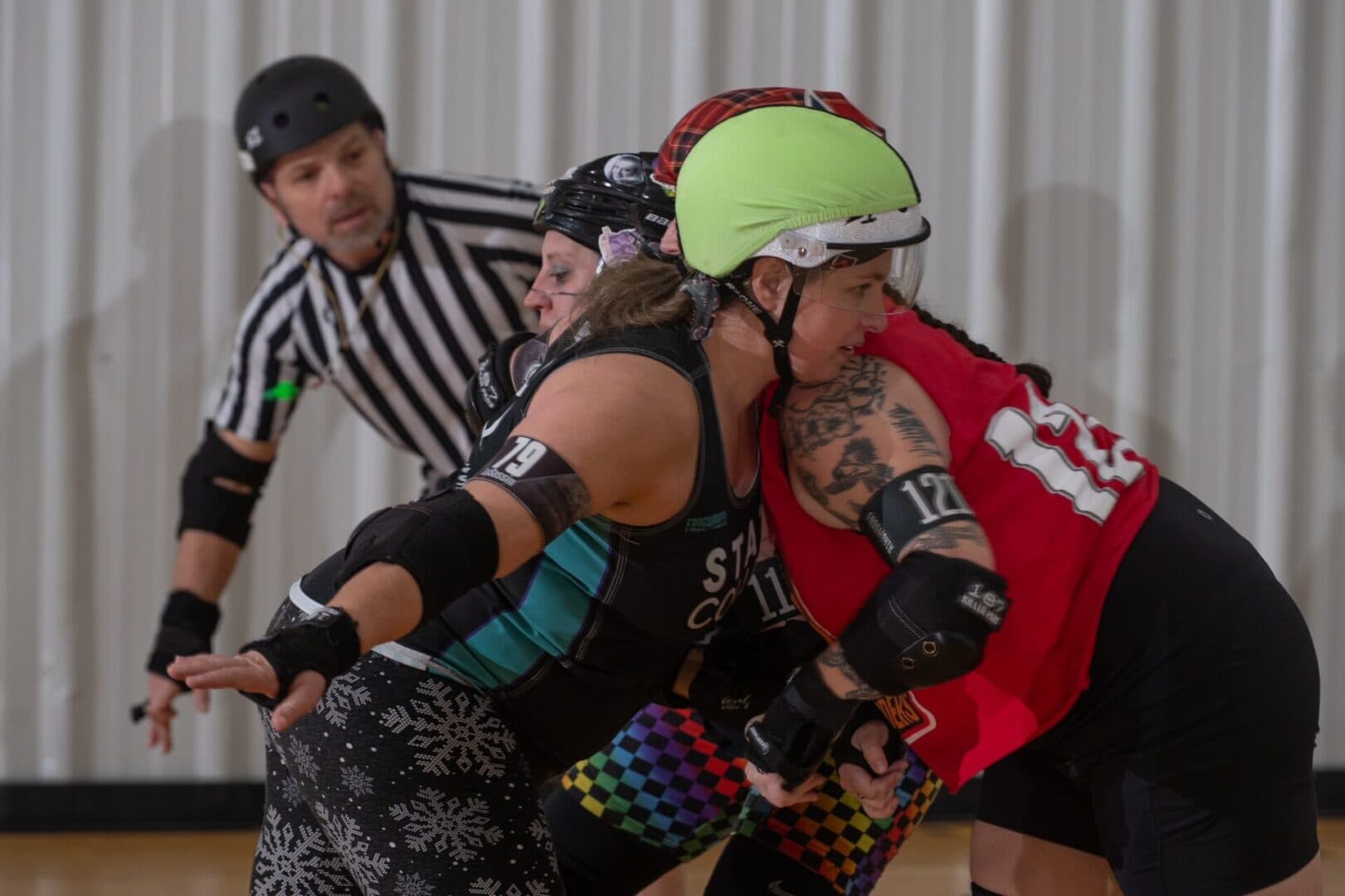
State College Area Roller Derby does not survive on hype. It survives on habit, trust, and a locker-room-level kind of care that keeps adult skaters showing up on Monday and Thursday nights from 8 to 10 p.m. at C3 Sports in College Township. That routine is the point: in a physically demanding sport, the league’s “safe space” culture is not window dressing, it is the engine that keeps the roster full and the room steady.
The practice schedule is only the surface
SCAR, as the league is known, is a skater-owned, volunteer-run flat-track derby organization with roots going back to October 2010, when it was founded, and 2015, when it became a nonprofit. On paper, that is the kind of structure you expect from a durable grassroots sports operation. In practice, it means the league has had more than a decade to build the kind of repeatable weekly rhythm that keeps skaters engaged long after the novelty wears off.
That matters because roller derby is not a low-commitment sport. It asks for conditioning, contact, and the willingness to keep learning in public. SCAR’s Monday and Thursday practices are the daily bread here, the place where beginners become blockers, blockers become veterans, and veterans stay sharp enough to carry the next wave. The league’s stability is built in those two evenings, not just on game nights.
Inclusion is not branding here, it is roster maintenance
SCAR says it welcomes people of all gender identities and skill levels, and that is not a throwaway line in this story. It is the reason the league can pull from the Centre Region across a wide range of ages and lifestyles while still sounding like one team. The Women’s Flat Track Derby Association profile and SCAR’s own materials both frame the league as skater-owned and operated, which means the people on the floor are also the people maintaining the culture around it.
That culture is especially important in a sport where identity and athletic space can collide. One skater in the WPSU profile describes derby as the home she found after coming out as transgender and looking for a competitive outlet that still felt welcoming. That is the kind of detail that tells you why leagues like SCAR matter beyond the scoreboard: they make room for athletes who need both competition and belonging in the same place.
Family is the mechanism, not the slogan
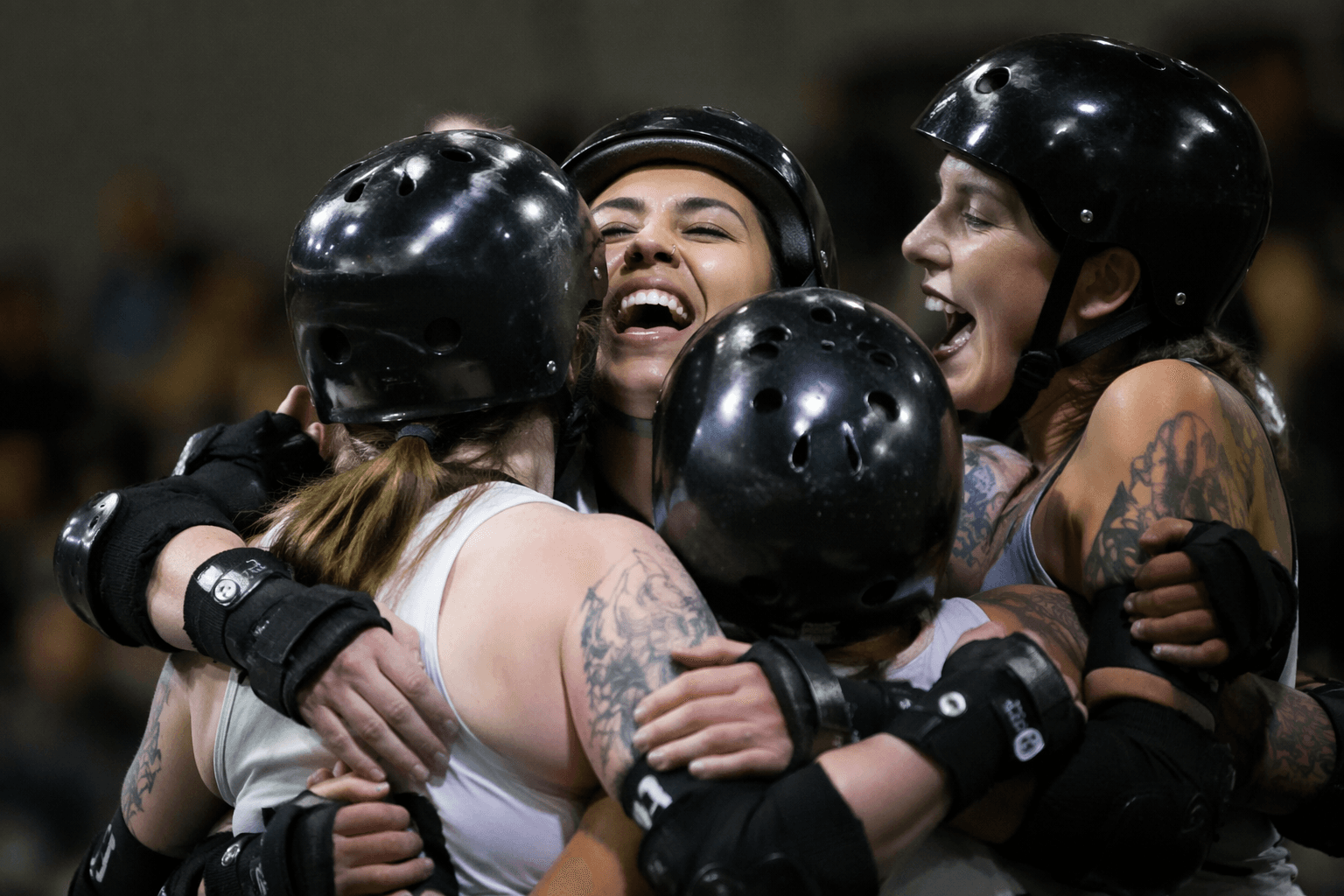
WPSU’s profile captures something a lot of teams say but fewer actually build: skaters call SCAR a “safe space” and a “family” because the league functions that way in real life. One member talks about the relief of having somewhere to go after a bad day. That may sound small, but it is exactly how sustainable sports communities work. They do not just produce game-night energy; they absorb stress, and that keeps people from drifting away when life gets heavy.
That emotional support shows up in how skaters talk about one another on and off the track. In a rural region like Centre County, belonging is not always easy to find in adult sports, especially for people whose identities do not fit neatly into older, narrower models of team culture. SCAR’s value is that it gives skaters a place where they can be competitive without having to split themselves into separate parts to do it.
The volunteer structure gives the league its backbone
SCAR is more than a team, and more than a weekend entertainment product. It is a volunteer organization that includes skater athletes, referees, and officials, and that matters because it spreads responsibility across the league instead of placing all the burden on a handful of organizers. That setup is what lets the league keep its doors open, its practices running, and its identity consistent.
The league’s four teams also help turn that structure into something usable: the Happy Valley Dolls travel “A” team, Plan B travel “B” team, and the two home teams, the Mt. Nittany Mayhem and the Pennsyltucky Punishers. Those teams give skaters a pathway, not just a label. If you are new, there is room to grow. If you are established, there is a way to stay challenged. That layered system is one reason derby leagues hold together when other rec leagues fade.
The off-track support is concrete, not symbolic
SCAR’s “family” language has real financial teeth. A 2025 profile said the league uses a Betty Fund to help skaters when money is tight, giving teammates a way to keep rolling when life gets expensive. That kind of support changes the economics of staying in a sport that demands gear, time, and travel. It also tells you the league understands a basic truth: retention is not just about motivation, it is about removing barriers.
The move from Penn Skates, which closed in October 2021, to C3 Sports in 2022 also shows how much off-track logistics matter. Losing a longtime venue can break a smaller league. SCAR survived by finding a new home that league officials praised as welcoming and accommodating, and that continuity helped preserve the weekly rhythm the team depends on. In this sport, a good venue is not just a building. It is part of the roster.
A community hub with competitive edges
SCAR’s role in State College has expanded beyond its own practices and internal team structure. On Saturday, May 30, 2026, the league hosted a Pride-themed home team game at C3 Sports in College Township that benefited Centre LGBT+. That event is a clean example of how SCAR folds competition, visibility, and community service into the same package without losing its identity as a sports league.
That is why the league’s story lands the way it does. SCAR is not durable because it is polished. It is durable because it is useful. It offers a place to train on Mondays and Thursdays, a structure for new skaters, a home for open-gender participation, and a safety net when someone needs help paying to stay in the game. In roller derby, that kind of ecosystem does more than build morale. It builds depth, and depth is what keeps a league alive.
This article was produced by Prism’s automated news system from verified source data, official records, and press releases, then run through automated quality and moderation checks before publishing. The system is built and supervised by the people who set the standards it runs under. Read our full AI policy.
Did this article answer your question?