World Skate splits inline speed skating into track, road and marathon races
World Skate now treats inline speed as three separate races, and the differences are real. Track, road and marathon reward different tactics, loads and body types.
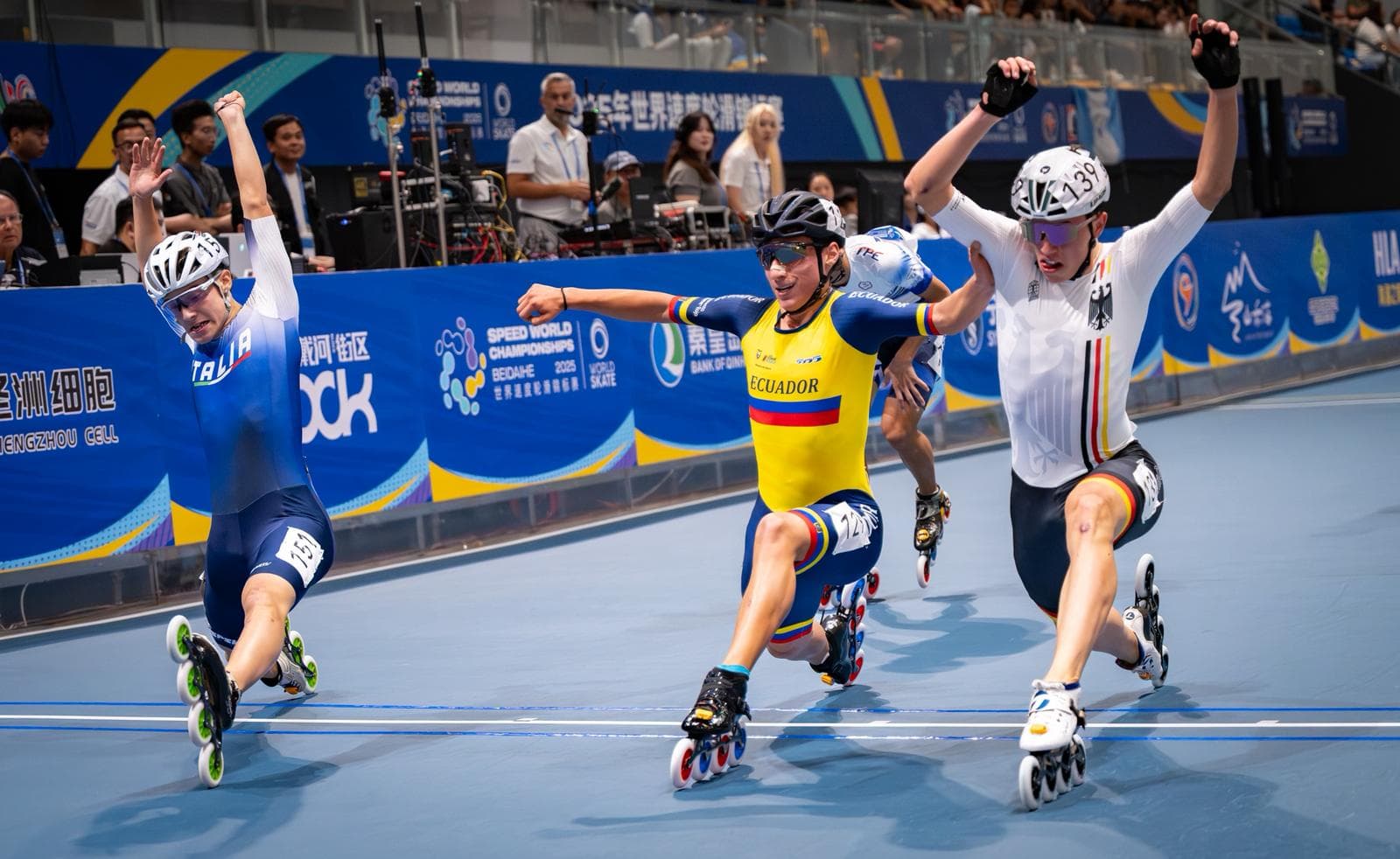
At the 2025 Speed World Championships in Beidaihe, the results page listed track sprint races, elimination, points and relay events, plus a 100-meter lane race. World Skate has split inline speed skating into track, road and marathon, and the separation runs all the way from rulebooks to venue certification to the way skaters have to race, train and fuel.
World Skate is the governing body for skateboarding and roller sports and is officially recognized by the International Olympic Committee. Its facilities department treats speed-track certification as part of a “NEXT GENERATION” skate facilities initiative, which means the sport is not just judging skaters, it is defining the surfaces and circuits they race on.
Three disciplines under one roof
World Skate’s current speed documents are separated into a 2026 Speed Rulebook, a 2026 Speed Track Series World Cup Final rulebook and the World Skate Marathon Tour regulations. Track, road and marathon are different competitive branches with different demands.
World Skate Europe’s speed regulations allow races on road or track to be organized by national federations and confederations. The structure is broad enough to handle regional competition and specific enough to require proper venue control. Speed track certification and the authorization of road circuits are part of that system, making the surface part of the event.
Track racing is about control, traffic and timing
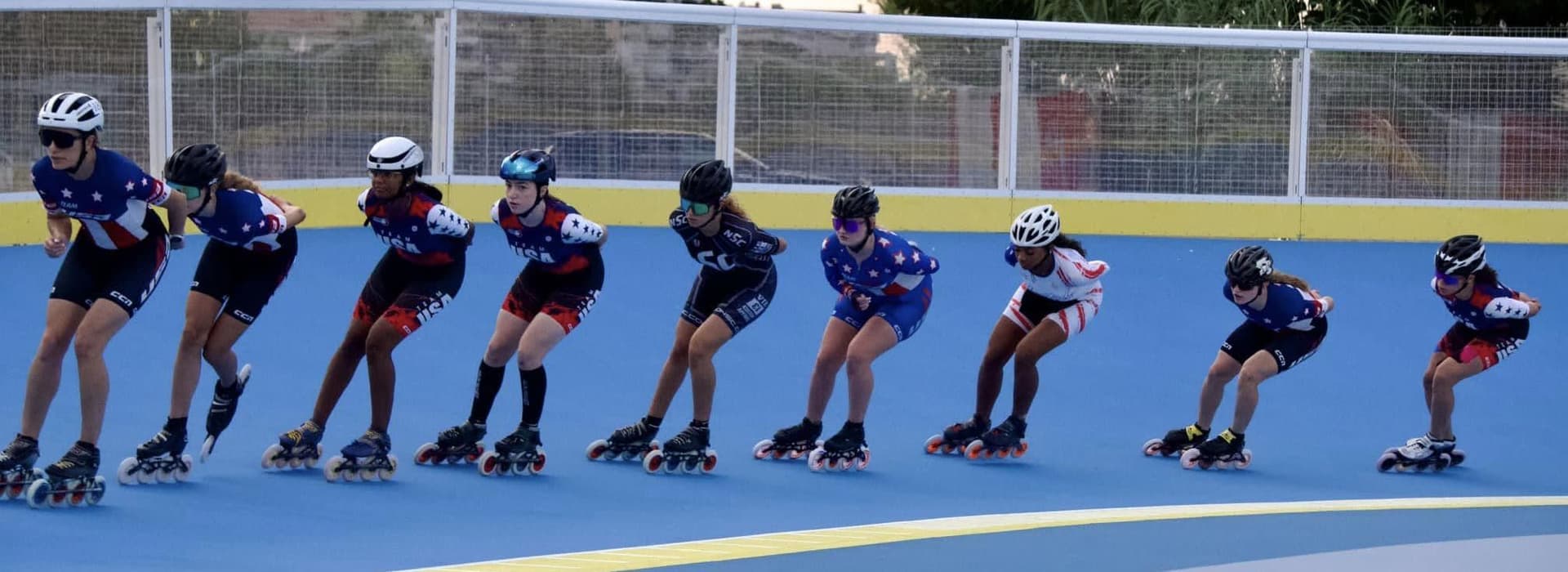
Track racing is the most compressed version of the sport, valuing acceleration, positioning and the ability to make a move without wasting a step.
The Beidaihe venue featured a parabolic indoor track, changing how skaters carry speed through turns and how hard they can attack from the pack. In tight track races, the difference between winning and getting boxed in can be one shoulder’s width, not one lap’s worth of fitness.
The opening day in Beidaihe spread the gold medals across six different countries. A strong track skater has to read the pack, defend the inside line and know when to pounce. The athlete who wins a sprint on a parabolic indoor track is not automatically the same one who can survive a longer points race or time a relay handoff under pressure.
Road racing asks for surface sense and course management
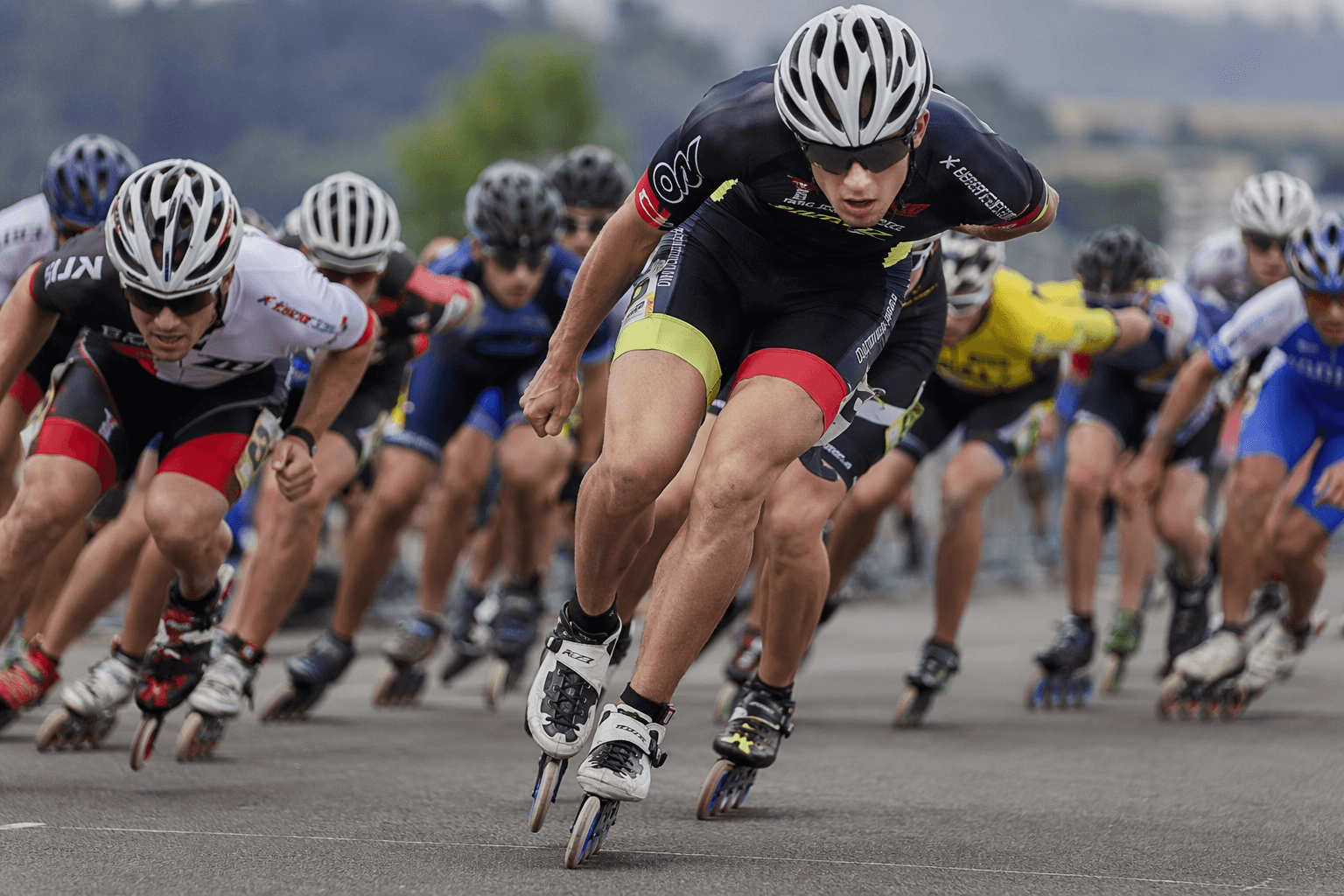
Road is still speed skating, but it plays differently. On road circuits, the pace is shaped by pavement, corners, wind and the shape of the course itself, which is why certification of road circuits is part of World Skate’s facilities program. Beidaihe’s results page separated road events from track events and listed sprint, elimination, points and relay races as distinct road and track disciplines.
Road racing is less about the tight pack of an indoor track and more about course management. A skater who can read a circuit, hold position through turns and protect speed over changing surface conditions often has an edge over a pure turn-of-speed specialist. Road racing still rewards acceleration, but it also punishes hesitation, poor line choice and the kind of effort that gets burned too early.

The same athlete can be dangerous in both, but the best road skaters tend to be cleaner on transitions, calmer in traffic and better at using the course instead of fighting it.
Marathon racing is a different engine altogether
The marathon is where inline speed stops pretending to be a short-format sport. World Skate’s Marathon Tour regulations define marathon as a long-distance race that can be held only on road, and the field can include an unlimited number of skaters starting together. Pack size, drafting, nutrition, patience and timing become as important as leg speed.
World Skate launched the Marathon Tour in 2024 as the official open worldwide inline skating marathon series for PRO, Masters and Amateur skaters. The first season was capped at a maximum of four stages and carried more than $350,000 in overall prize money for PRO-category skaters and teams. The tour’s first season ran across Shanghai, Pescara and Havana, which gave the series a global footprint from the start rather than building it as a one-country showcase.
The marathon format rewards endurance plus fueling, not just endurance. An unlimited-start road race means the pack can be large, the draft can be valuable and the wrong nutrition plan can wreck a skater before the final push. The best marathon specialists usually have the patience to sit in, the discipline to manage effort and the instinct to choose the right moment when the road opens.
Why one strong skater may not dominate all three
A skater who can rip a 100-meter lane race on a track in Beidaihe is not automatically built for a marathon road start with an unlimited field. A road specialist who can survive course chaos may not have the snap to win an indoor track sprint. A marathon skater who is lethal after 30 kilometers may not have the first-lap positioning instincts needed in a points race.
World Skate’s 2025 Worlds showed that split in plain sight. The Beidaihe program stretched across marathon, road and track events, while the championship itself produced winners from six different countries on day one.
The calendar now tells the same story
World Skate’s 2026 speed pages keep the division visible. The federation lists separate rulebooks for track, the speed rulebook and the Marathon Tour, and the 2026 Shanghai Marathon Tour opener is set to feature 14 teams representing 17 countries.
This article was produced by Prism’s automated news system from verified source data, official records, and press releases, then run through automated quality and moderation checks before publishing. The system is built and supervised by the people who set the standards it runs under. Read our full AI policy.
Did this article answer your question?