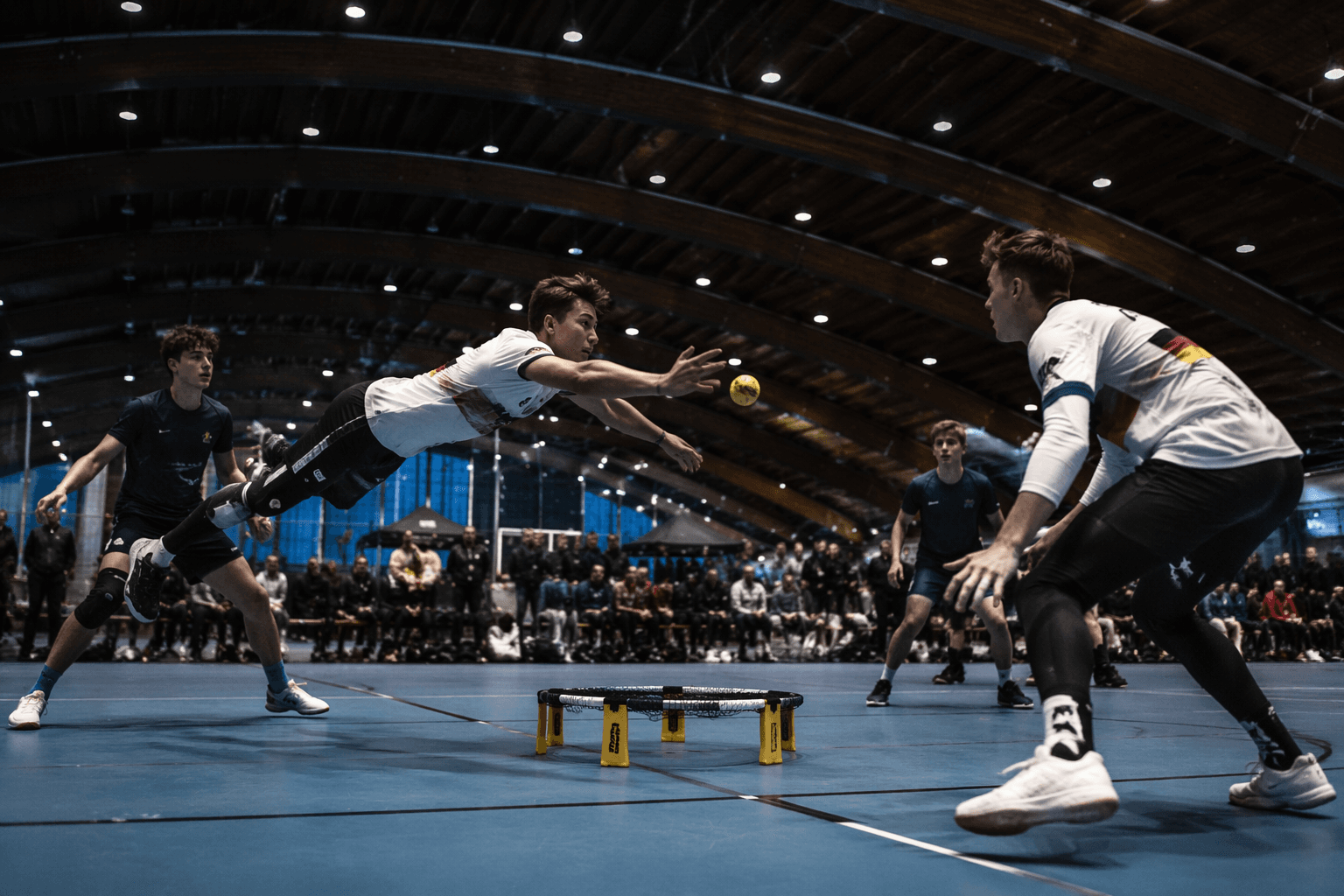
Göteborg ETS stop draws 169 teams in loaded European field
Göteborg drew 169 teams across six divisions, turning Sweden into a key sorting point for Basel and the summer ETS race.

Göteborg’s ETS stop drew 169 teams into a 208-team frame, and that alone said plenty about where Europe’s roundnet ladder stood on the June calendar. In a circuit built to separate elite from contender, the Sweden weekend became less a regular stop than a stress test for depth, parity and the travel demands of a continent-wide season.
The European Roundnet Association’s 2026 ETS calendar placed Gothenburg on June 13-14 inside a five-country route that began in Bucharest, moved to Budapest, stopped in Göteborg, then headed to Toulouse before finishing at ETSC Basel on August 8-9. That path gave the Göteborg field extra weight: it sat squarely in the middle of the summer push, when teams were still chasing ranking points and still had time to change their position before Basel.
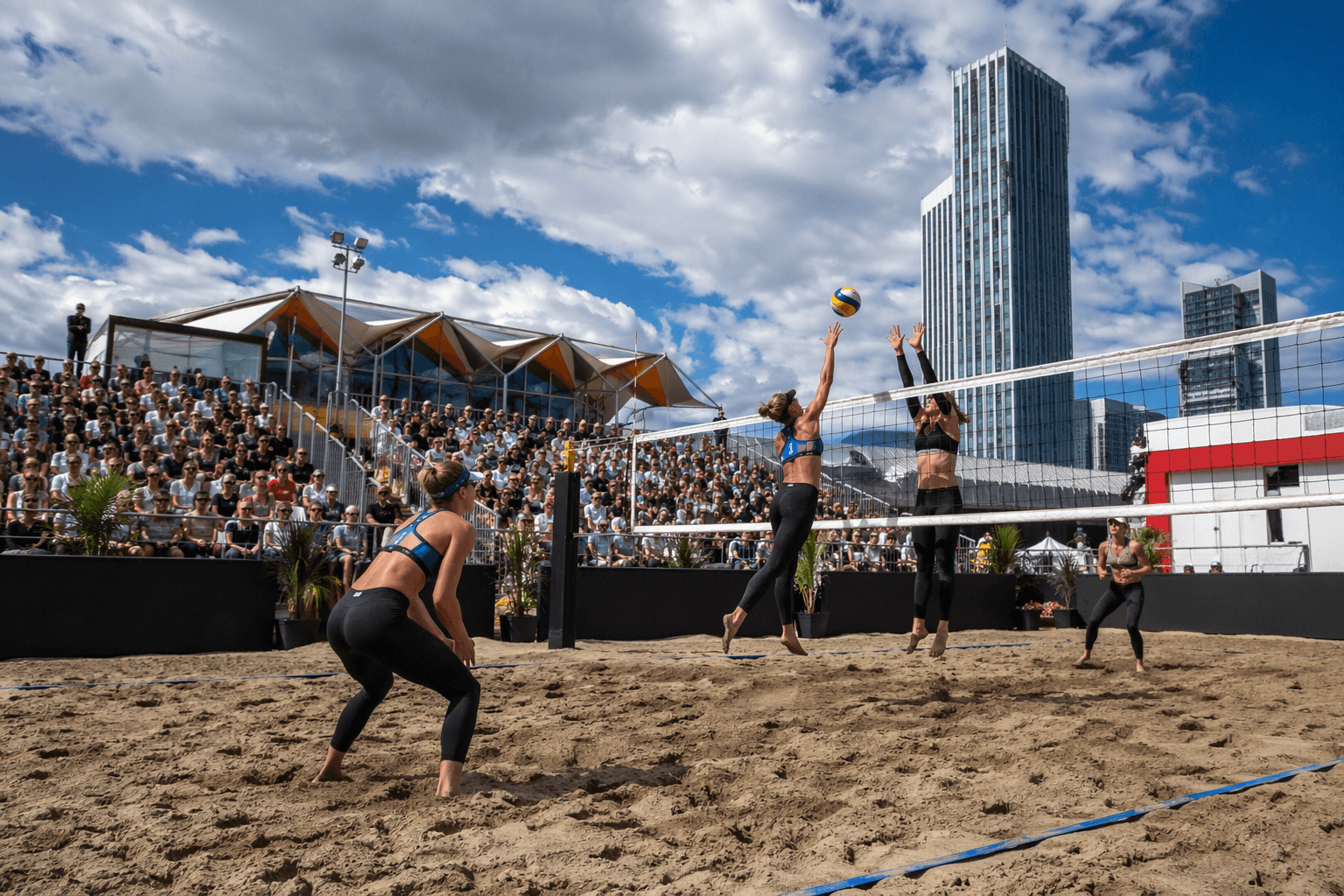
RG Playerzone’s listing showed how crowded the event had become, with entries spread across Pro Open, Contender Open, Pro Women, Contender Women, Pro Mixed and Contender Mixed. That structure mattered because ETS weekends are where the sport’s sharpest separation happens. Pro players could not drop into Contender divisions, while Contender brackets remained the route for players trying to climb into the top flight. With 169 teams registered, a single upset could ripple through not just one bracket but the broader qualification picture that reaches Basel.
The stakes rose further because EURA tied ETS registration and progression to a stricter system in 2026. All participants needed a valid EURA membership, and hosts could refuse entry without one. Registration also ran through a structured lottery system, with up to 50 percent of division capacity reserved for new teams in the first stage. The point of the format was clear: keep the field open, but make every opening round matter.
Basel sharpened the incentive. EURA said the ETSC Basel Elite division would include the top 16 teams in each category, while the top 3 Pro teams in each category at every ETS stop earned direct invitations to the Elite field. Those invited teams had until July 12, 2026, to confirm. In other words, Göteborg was not just another weekend in Sweden. It was one of the last big chances to turn a strong summer run into a protected place at championship time.
The scale also fit the sport’s wider growth. EURA says roundnet held its first World Championships in September 2022 in Belgium, and the European circuit has since become the clearest measure of how far the game has come. Roundnet Sweden’s own calendar already listed a Göteborg stop for April 25-26, hosted by Roundnet Gothenburg, which showed how established the city had become within the domestic scene before the larger ETS field arrived. That local base now feeds into a bigger continental test, and the 169-team turnout made the point unmistakable: Europe’s elite roundnet race is crowded, competitive and still widening.
This article was produced by Prism’s automated news system from verified source data, official records, and press releases, then run through automated quality and moderation checks before publishing. The system is built and supervised by the people who set the standards it runs under. Read our full AI policy.
Did this article answer your question?