Spikeball keeps growing after Shark Tank deal fell through
Spikeball's Shark Tank deal fell apart, but the sport kept climbing. Schools, tours, and a global rules system turned a TV pitch into real staying power.
Spikeball's biggest proof of life is not the Shark Tank handshake that never stuck. Chris Ruder walked in asking for $500,000 for 10 percent equity, Daymond John countered at $500,000 for 20 percent, and the deal later fell apart after filming. More than a decade after the episode aired on May 15, 2014, that missed contract looks less like an ending than an early chapter in a sport that kept finding new places to live.
The deal that missed, the business that didn't
The Shark Tank moment worked because it put a quirky backyard game in front of a national audience, but the game itself had already been around in some form. Clemson University’s history of roundnet traces the modern game back to Jeff Knurek in 1989, while Chris Ruder later reintroduced and commercialized it after finding an old set. Spikeball’s own company materials call the brand “trusted since ’08,” which pushes the business story well past the television pitch.
That timeline matters because it explains why the show was a boost, not a birth certificate. By fall 2017, Spikeball said it had sold its one-millionth net and was generating $15 million in annual sales. Those are not the numbers of a novelty that flashed and vanished; they are the numbers of a product with enough repeat buyers to keep the pipeline moving well after the cameras left.
Why the game kept catching on
Spikeball has always had an easy pitch on the court and in the yard: it is quick to set up, simple to learn, and flexible enough to be played as a casual family game or as a high-speed competitive format. That broad appeal is exactly why the brand moved beyond the original television hook. Pro athletes and celebrities started posting about it, fitness voices framed it as a full-body workout, and communities began treating it as a game that could live on beaches, lawns, and in organized brackets.
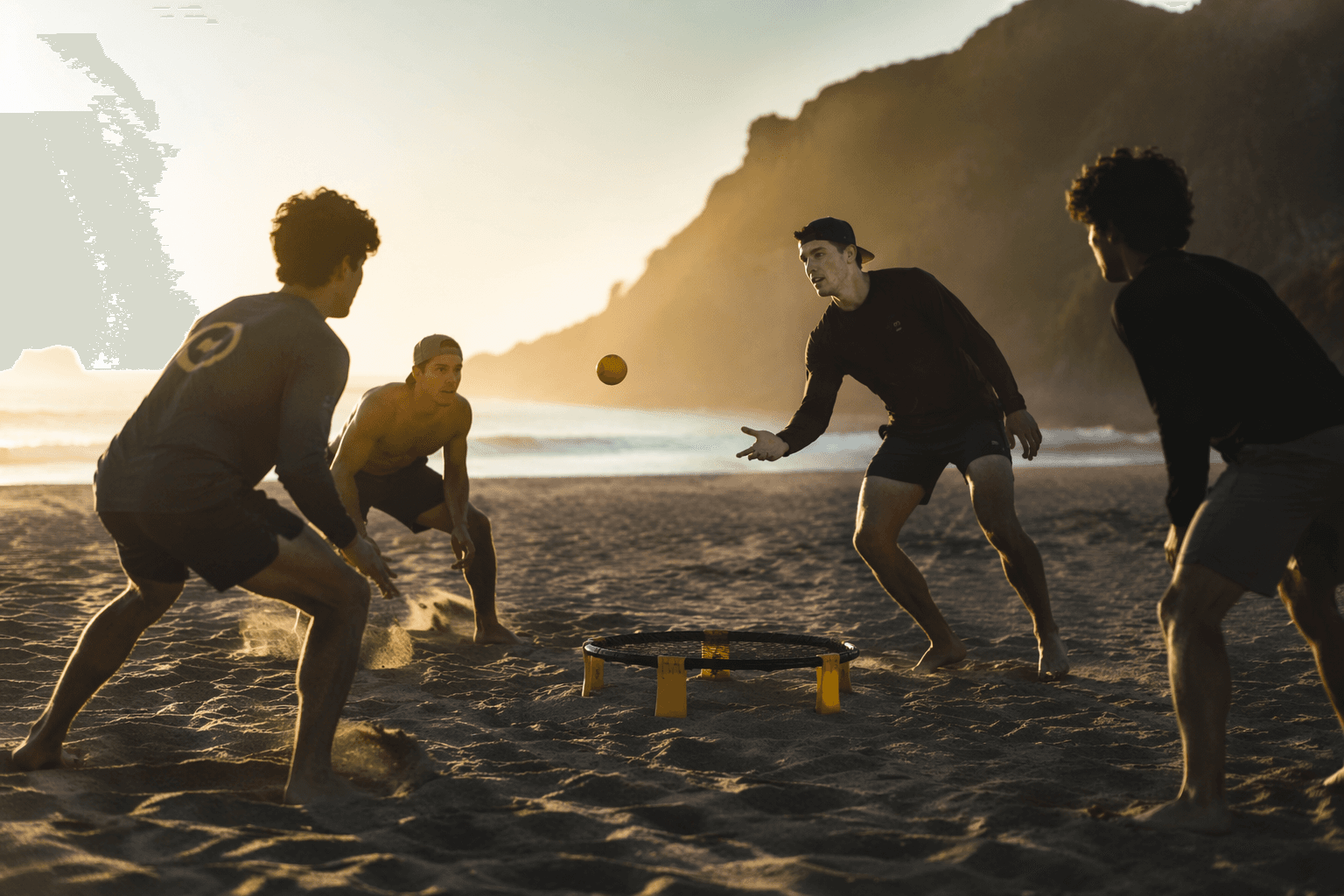
The important detail is not just that more people played. It is that different kinds of players found a version of the same game that made sense for them. Families could treat it like an outdoor activity; serious players could treat it like a sport with real stakes. That versatility is the clearest reason Spikeball outgrew the Shark Tank backstory and kept its grip in 2026.
Schools and youth play became a real lane
One of the most telling signs of staying power is where the game shows up when no one is trying to sell you on the TV origin story. Spikeball has built dedicated PE resources, free lesson plans, videos, and education discounts for bulk orders through its school portal. The company is not just hoping teachers stumble into the game; it is actively packaging it for gym classes and school programs.
That school push gives roundnet a pipeline that many flash-in-the-pan consumer sports never get. If the game is in PE, it reaches kids who were never watching Shark Tank in the first place. That is how a product becomes normal: not through nostalgia, but through repetition in classrooms, recreation programs, and the habits that follow players home.
A sport with brackets, rankings, and governance
The competitive side has hardened too. USA Roundnet says roundnet has existed since 1989, but its own organization is a new governing body focused on growth and athlete advancement. It also says organized college roundnet has existed since 2017, which is a major marker for legitimacy. Once a sport has a college lane, it stops being just a backyard game with an internet following.

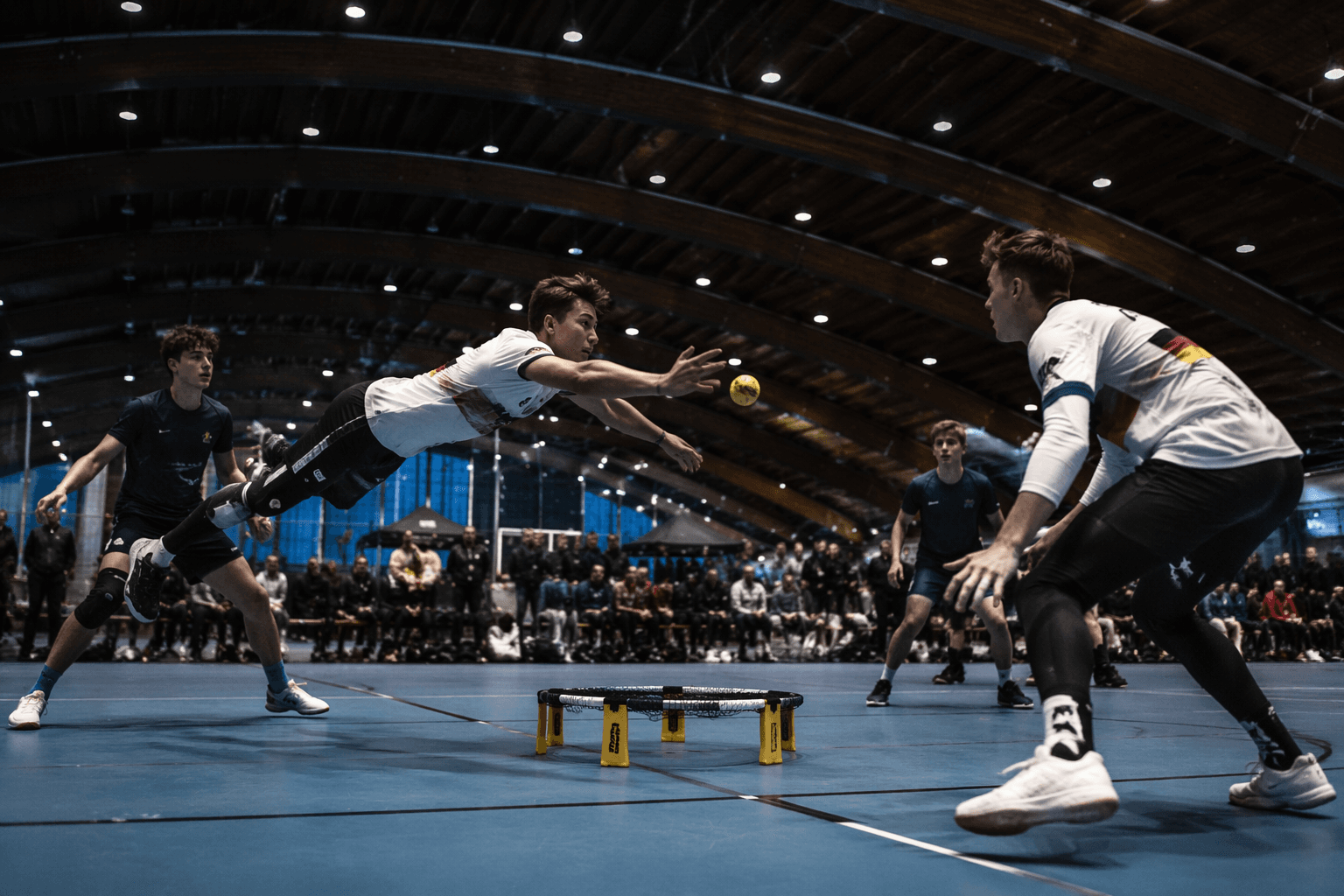
The North American Tour Series is the clearest sign that the sport now has an official competitive spine. USA Roundnet describes it as the official competitive circuit for aspiring athletes across North America, and its 2026 announcement says the season includes 12 events with Spikeball as the equipment partner. That is a real season, not a one-off showcase, and it gives players a calendar, a circuit, and a path forward.
Roundnet is no longer just a U.S. story
The international side is organized too. The International Roundnet Federation updated its official rules in June 2024, and the 2024 World Championships were held in Guildford, Great Britain, at Surrey Sports Park. When a sport has a rules body and a world championship venue, it has crossed the line from fad into institution.
That structure matters because it keeps the game coherent as it grows. Rules updates in 2024, world-level competition, and member national governing bodies give players and organizers a common language. The sport can expand without fragmenting, which is often where fast-growing niche games fall apart.
What emerges from all of this is a simple but important answer to the staying-power test. Spikeball did not survive because of one TV pitch, one handshake, or one flashy origin story. It survived because it became easy to buy, easy to teach, easy to play, and hard to ignore, with schools, tournaments, college play, and an international federation all reinforcing the same game. The Shark Tank scene made the name famous; the infrastructure around it is what made roundnet last.
This article was produced by Prism’s automated news system from verified source data, official records, and press releases, then run through automated quality and moderation checks before publishing. The system is built and supervised by the people who set the standards it runs under. Read our full AI policy.
Did this article answer your question?