Spikeball or roundnet? Why the sport’s name matters
Call the sport roundnet, keep Spikeball for the brand, and the difference changes club names, event listings, trademarks, and how the game is covered.
The naming split in this sport is not a semantic quarrel. It is the cleanest way to describe a game that has grown from a 1989 origin story into a governed, international roundnet structure with college play, national rules, and organized clubs across the United States. Use roundnet when you mean the sport itself. Use Spikeball when you mean the company, the set, or an officially branded context.
Why the word choice matters
Spikeball’s own terminology guide makes the distinction plainly: Spikeball is the brand, while roundnet is the sport. That is the safest choice in neutral competition coverage, on non-Spikeball gear, and anywhere an event is trying to sound inclusive rather than commercial. It also warns that unaffiliated clubs, groups, and teams should not use Spikeball in their names unless they are officially connected to the company.
That is more than trademark housekeeping. A headline that calls every local matchup “Spikeball” can blur whether an event is using branded equipment, sanctioned branding rights, or simply playing the sport on generic gear. In a landscape with multiple equipment brands and mixed club setups, roundnet is the accurate umbrella term.
Where misuse shows up first
The confusion usually starts where the sport meets public-facing copy. A newcomer sees a branded set at the beach, in a sporting-goods aisle, or on a college quad and assumes the product name is the game’s name. Spikeball itself acknowledges that this entry point is common, which is why the terminology guide exists in the first place.
That is why the word choice matters in the places readers actually encounter the sport:
- Headline: “Local Spikeball league opens fall season” sounds branded and imprecise if the league is not formally tied to the company.
- Event listing: “Roundnet tournament at Chicago park” tells readers what the competition is, without implying a sponsor relationship.
- Club promo: A school group should call itself a roundnet club unless it has official association and approved trademark use.
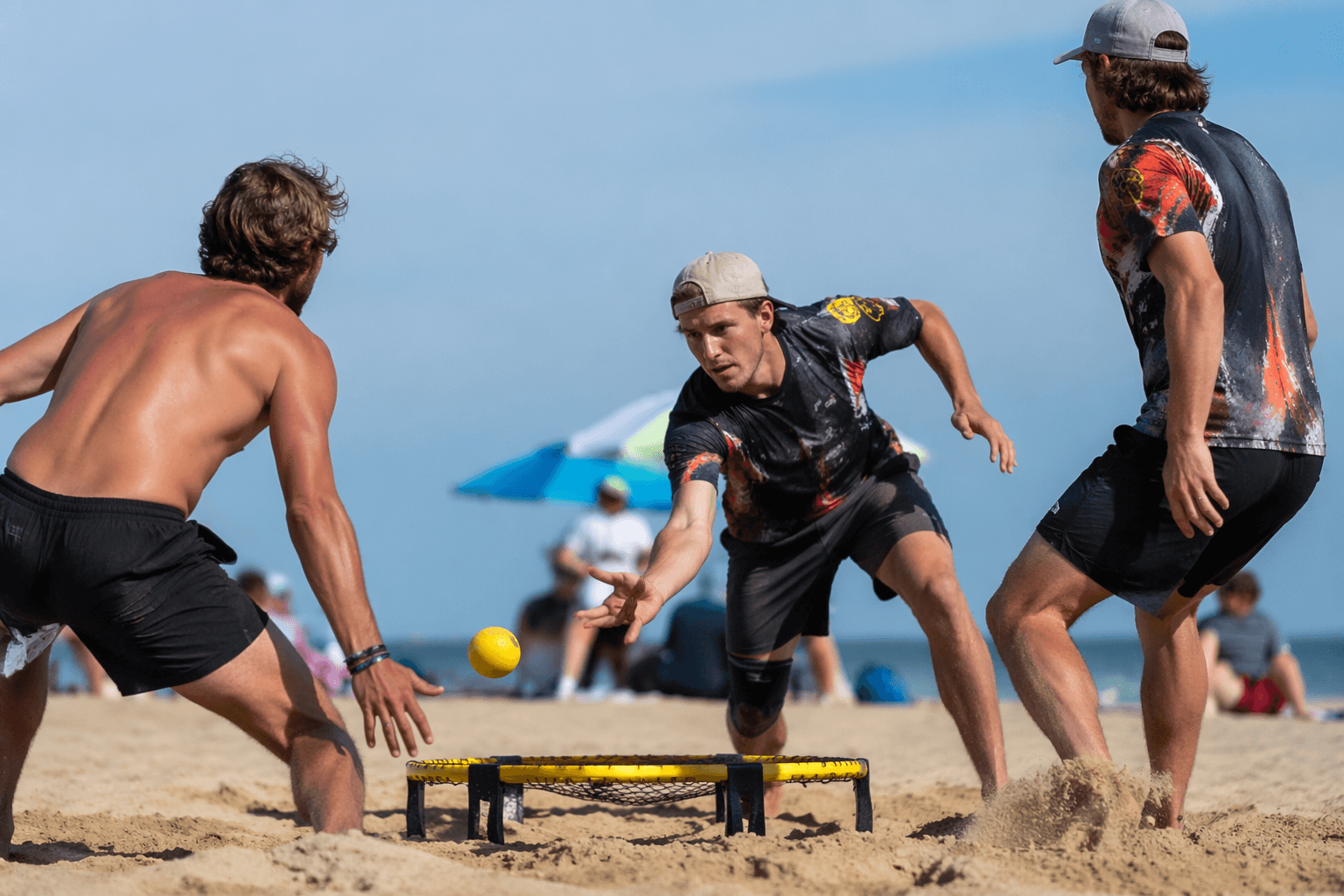
- Social post: A photo caption can say “roundnet practice” even if the players are using Spikeball equipment.
Those distinctions keep copy clear, especially when the same event could involve mixed equipment, neutral volunteers, or outside hosts.
What the sport looks like beyond one brand
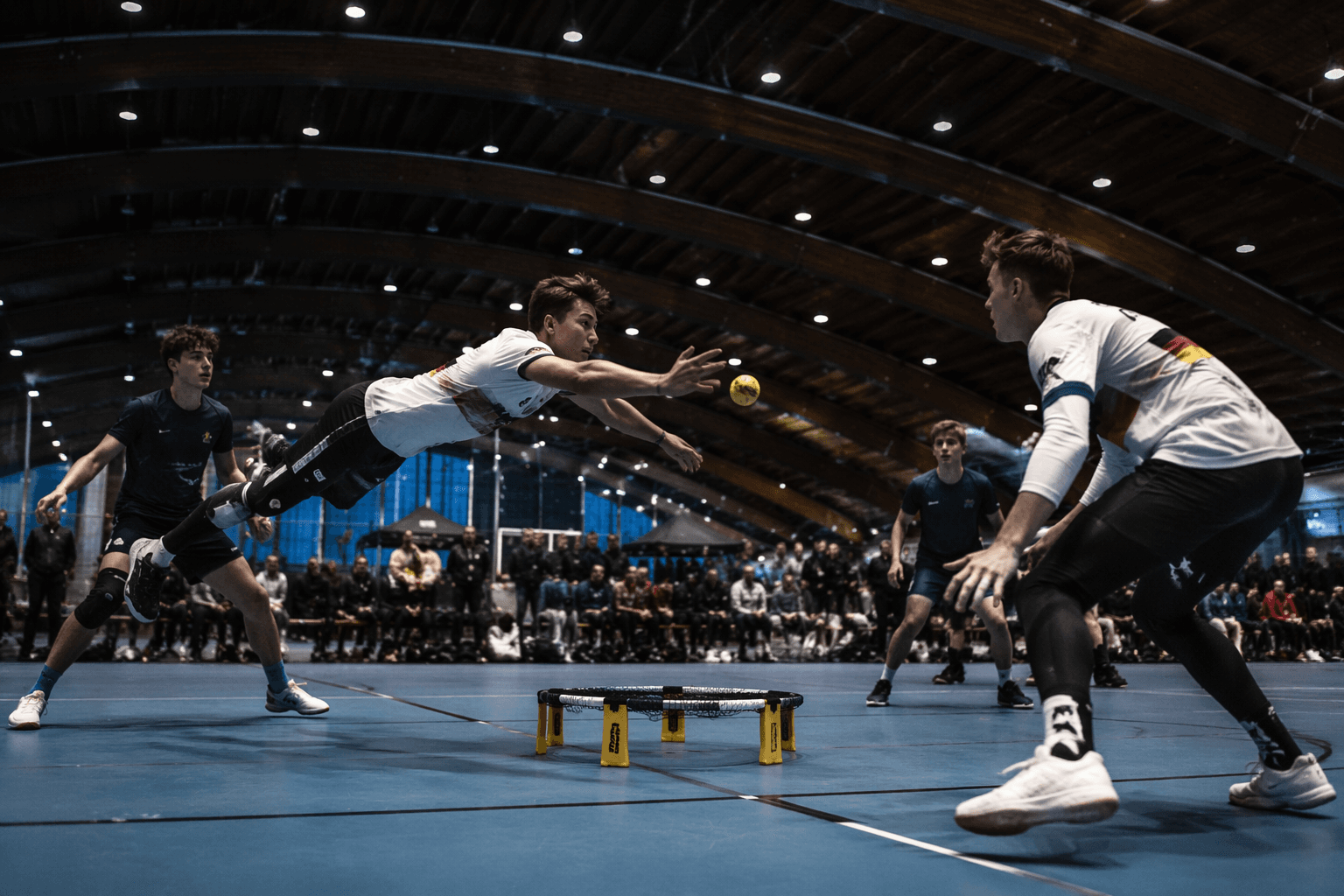
USA Roundnet describes roundnet as a rapidly growing sport and places its rise in a broader public context, from beaches to Dick’s Sporting Goods to Shark Tank and ESPN2. It also describes the game as typically played two-on-two, which is useful shorthand for readers who know the sport from pickup play but not from formal competition. That broader identity is exactly why the sport needs a neutral name separate from any one product line.
The sport is also old enough to need institutional language. USA Roundnet says roundnet has existed since 1989, while its own organization is a newer governing body built to advocate for growth, player advancement, inclusive communities, and U.S. representation on the global stage. When a sport has its own governing structure, the terminology has to match the structure, not just the most visible brand.
How to write it in a style guide
The simplest newsroom rule is direct: use roundnet for the game, Spikeball for the company or the branded set. That holds up in rules explainers, college club bios, tournament recaps, and pickup-session flyers. It also keeps copy from drifting into accidental endorsement, which matters when the same sport is played across independent schools, community clubs, and sanctioned events.
A practical style guide for roundnet coverage can stay short:
- Roundnet: the sport itself, the competition, the rules, the community.
- Spikeball: the brand, the equipment, the company, official branded context.
- Club names: roundnet unless the group is officially associated with Spikeball.
- Event listings: use roundnet unless the event is formally branded.
- Gear references: Spikeball only when the equipment is specifically Spikeball-branded.
That approach is not pedantry. It protects editing consistency, makes club communication clearer, and avoids implying a brand relationship that does not exist.
The club and college stakes are real
The terminology question becomes even sharper in local and college ecosystems, where the sport has expanded far beyond a single company’s own channels. USA Roundnet says organized college roundnet has existed since 2017, and more than 150 college clubs took part in its most recent season in the United States. That is a large enough network to need shared language that works across schools, cities, and equipment setups.
Spikeball’s organization materials show that the company still participates in that ecosystem through official SAO badges, discounts, sponsorship opportunities, and approved trademark use for eligible organizations. That support matters, but it also reinforces the boundary: approved use is not the same thing as general use. If a club is not officially tied to Spikeball, the safer and more accurate name remains roundnet.
The rules are becoming regional, not just brand-specific
The sport’s governance is no longer limited to one national scene. In January 2025, the national governing bodies of Canada, Mexico, and the United States ratified North American Roundnet Rules. That matters because a shared ruleset gives players, clubs, and tournament organizers across the continent a common reference point, and it makes neutral language even more important in coverage.
When a sport has continent-wide coordination and sanctioned play, editorial consistency is part of the infrastructure. Roundnet is the term that fits that structure. Spikeball remains one of the sport’s most visible entry points, but it is not the generic name for every match, every club, or every tournament banner.
Why the distinction will keep holding
USA Roundnet says its membership funds a rankings system, a national team tryout process, insurance for sanctioned-event players, awareness efforts, player advancement, inclusive communities, and U.S. representation on the global stage. That is the language of a sport building durable institutions, not just a brand community. At the same time, Spikeball says it is protecting its trademark and supporting global growth.
Those goals are compatible, but they point in different directions. One side is sport development, the other is brand stewardship. For editors, organizers, and club leaders, the cleanest shorthand is still the most accurate one: roundnet for the game, Spikeball for the company, and no Spikeball in an unaffiliated club name. That clarity is what lets the sport sound legitimate at every level, from a local flyer to a continental rules announcement.
This article was produced by Prism’s automated news system from verified source data, official records, and press releases, then run through automated quality and moderation checks before publishing. The system is built and supervised by the people who set the standards it runs under. Read our full AI policy.
Did this article answer your question?