Spikeball serving secrets, five serves to outsmart opponents
The serve is roundnet’s first chess move, and the best ones attack a receiver’s feet, eyes, first touch, body, or split-second choice before the rally even starts.
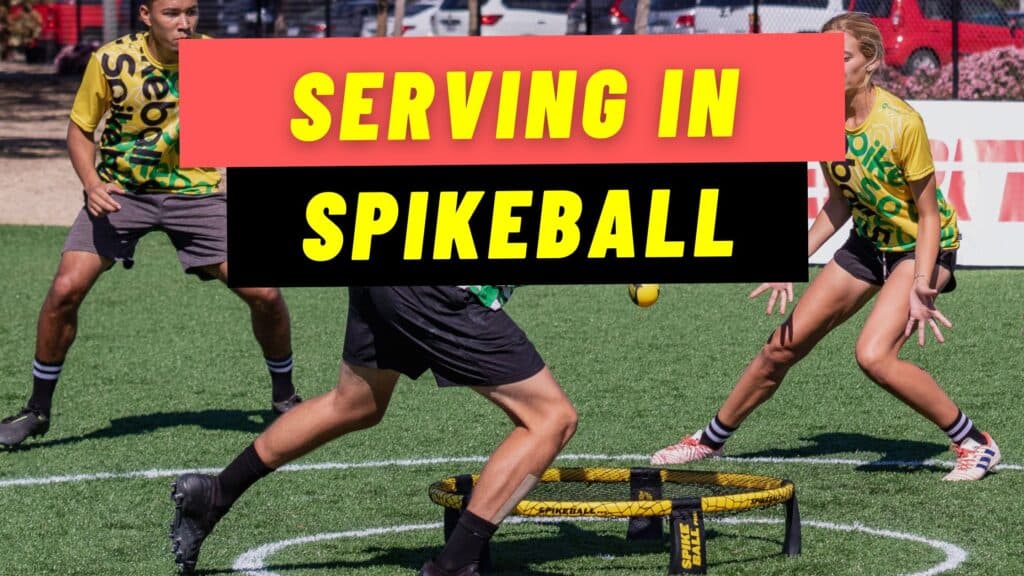
A serve starts the rally in roundnet, but its real job is to tilt the next touch before anyone else can react. The best servers do not just hit hard; they force a bad body shape, a late read, or a stretched first touch that turns into an easy block and spike.
Start with the mechanics, because the tactics live on top of them
A legal serve begins with the server facing the net, then turning sideways in a motion that looks closer to a throw than a flat hit. The ball stays in the opposite hand while the server shifts weight from the back foot to the front foot, driving the ball toward the net on a legal trajectory. If the ball clips the far side of the net, it can float, pocket, or turn into a fault, which is why accuracy usually beats raw pace.
After a fault, the server gets a second serve, so the first ball can be the aggressive look and the second can be the reset. In practice, that turns serving into a two-step problem: show one picture, then attack or survive with a safer second attempt.
The dropshot serve attacks footwork
The dropshot is built to make defenders move early, and that makes it a footwork serve first and a touch serve second. The ball comes off with enough control to drag the return team forward, forcing them to break posture and commit before the rally has settled.
The telltale cue is simple: a softer, shorter flight path that does not sell pure speed. If you see a server shorten the motion and keep the contact compact, the goal is to pull the receivers off the line and make them chase. The most realistic counter is discipline, not panic. Stay balanced, resist the first false step, and let the ball come to a point where the first touch can still be clean instead of lunging for a ball that is designed to look tempting.
The Fwango serve goes after first-touch quality
The Fwango serve targets the opponent’s non-dominant hand, which is a smart way to turn a legal start into an ugly first contact. That is less about getting an ace every time and more about forcing a weak first touch that sits up, drifts wide, or lands in an uncomfortable zone for the partner.
The cue to read is where the server’s eyes and body are aimed. When the contact path and shoulder line start pointing at the weaker side of a receiver, the message is plain: make the first touch awkward and take away the clean transition. The counter is to cheat the stance just enough to protect that side without overcommitting, because overcorrecting opens the other half of the court and gives the server the exact gap they want.

The cut serve attacks vision with spin and deception
The cut serve adds spin so the bounce veers away in a less predictable direction, and that spin makes it a vision problem as much as a movement problem. Once the ball changes off the net, the returner has to track a flight path that is not coming straight off the mesh, and that extra movement in the air can distort the read.
The giveaway is the finish: a server who comes through the ball with a cutting action is trying to create lateral drift after contact. That spin changes the last look the receivers get, which is why this serve can make a routine return feel late or off-line. The best counter is to read the contact early and give yourself more space to the ball, because once the spin starts working, a rushed swing only makes the first touch worse.
The hidden serve is about late decision-making
The hidden serve is the cleanest answer to a receiver who wants to cheat early. It disguises direction, which means the return team has to wait longer before committing to a move, and that hesitation is the weakness it is designed to exploit.
The cue is not always in the ball. It is often in the server’s shoulders, hips, and release point, because a hidden serve tries to make those signs look ordinary until the last possible moment. That forces late decision-making on the other side, and late decisions in roundnet usually mean a compromised stance or a return hit from a bad angle. The counter is patience with eyes disciplined on the contact, not on the fake. If the receiver keeps their balance and refuses to jump at the first hint, the disguise loses power.
The sidestep serve works on body position and lateral movement
The sidestep serve forces players to move sideways and can target a weaker side, which makes it a body-position problem before it becomes a shot-selection problem. It asks the receiver to adjust laterally and then strike from a posture that is already drifting, which is exactly how first touches get sloppy.
The clue is the server’s movement before contact. When the serving player uses a sidestep to change the angle, the intent is to pull the ball across the receiver’s frame and make the returner hit while reaching rather than setting feet. The most realistic counter is to keep the hips square and the shoulders quiet, then take the shortest path to the ball instead of chasing the angle with a big first step. If the body stays organized, the sidestep loses a lot of its bite.
This article was produced by Prism’s automated news system from verified source data, official records, and press releases, then run through automated quality and moderation checks before publishing. The system is built and supervised by the people who set the standards it runs under. Read our full AI policy.
Did this article answer your question?