Michael Tollin’s SlamBall vision blends spectacle, storytelling, and innovation
SlamBall’s comeback is being sold as a broadcast-ready story engine, not just a wild game. Tollin’s media pedigree explains why the league is betting on narrative as much as competition.
SlamBall’s real product is the story around the game
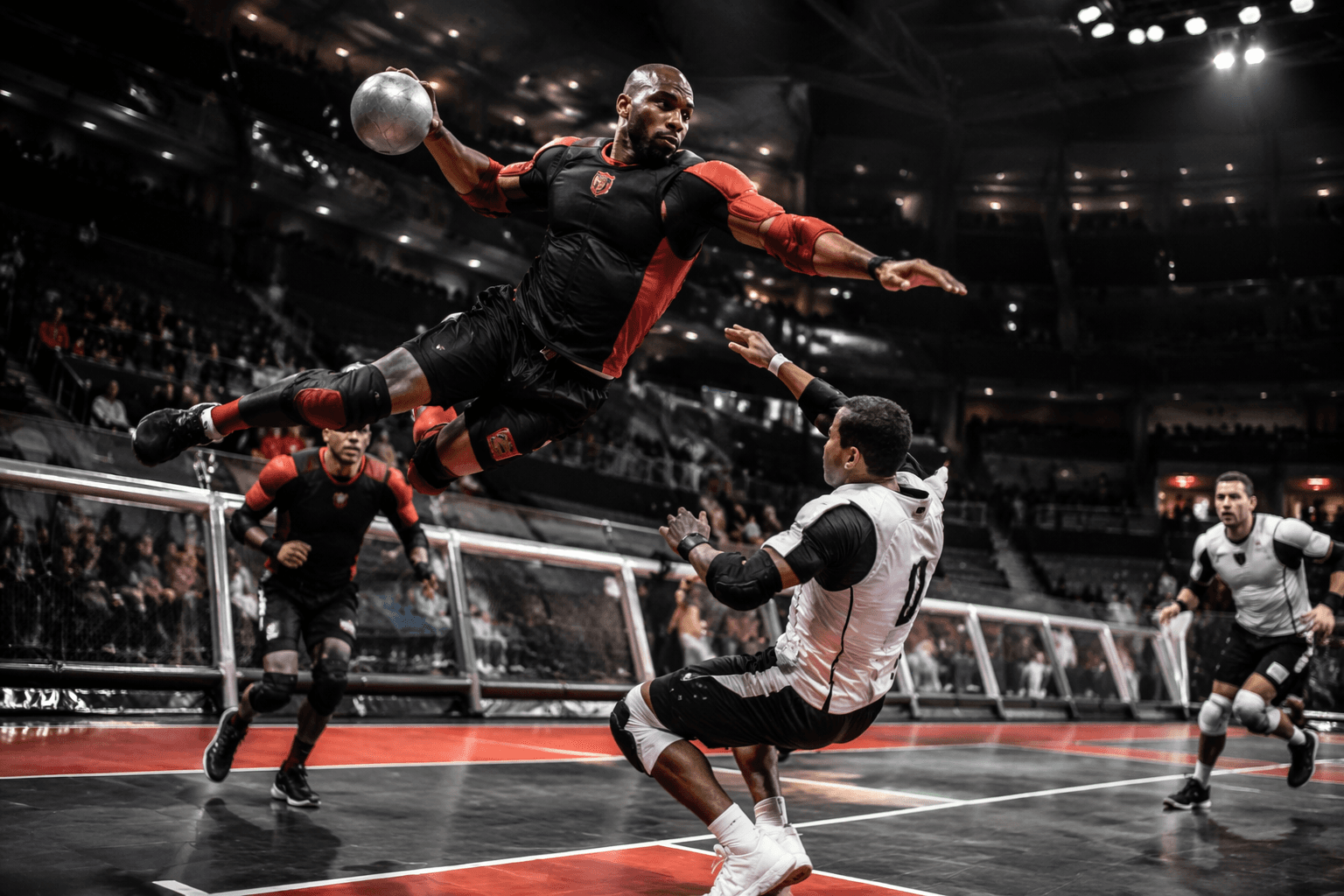
SlamBall was built to be more than a novelty. Invented in 1999 by Mason Gordon and first played in Los Angeles, the sport fused basketball, football, and trampolines into something designed to look thrilling in person and irresistible in clips. Gordon’s first court, built in a warehouse from discarded gymnastics parts, still reads like the origin story of a startup as much as a league.
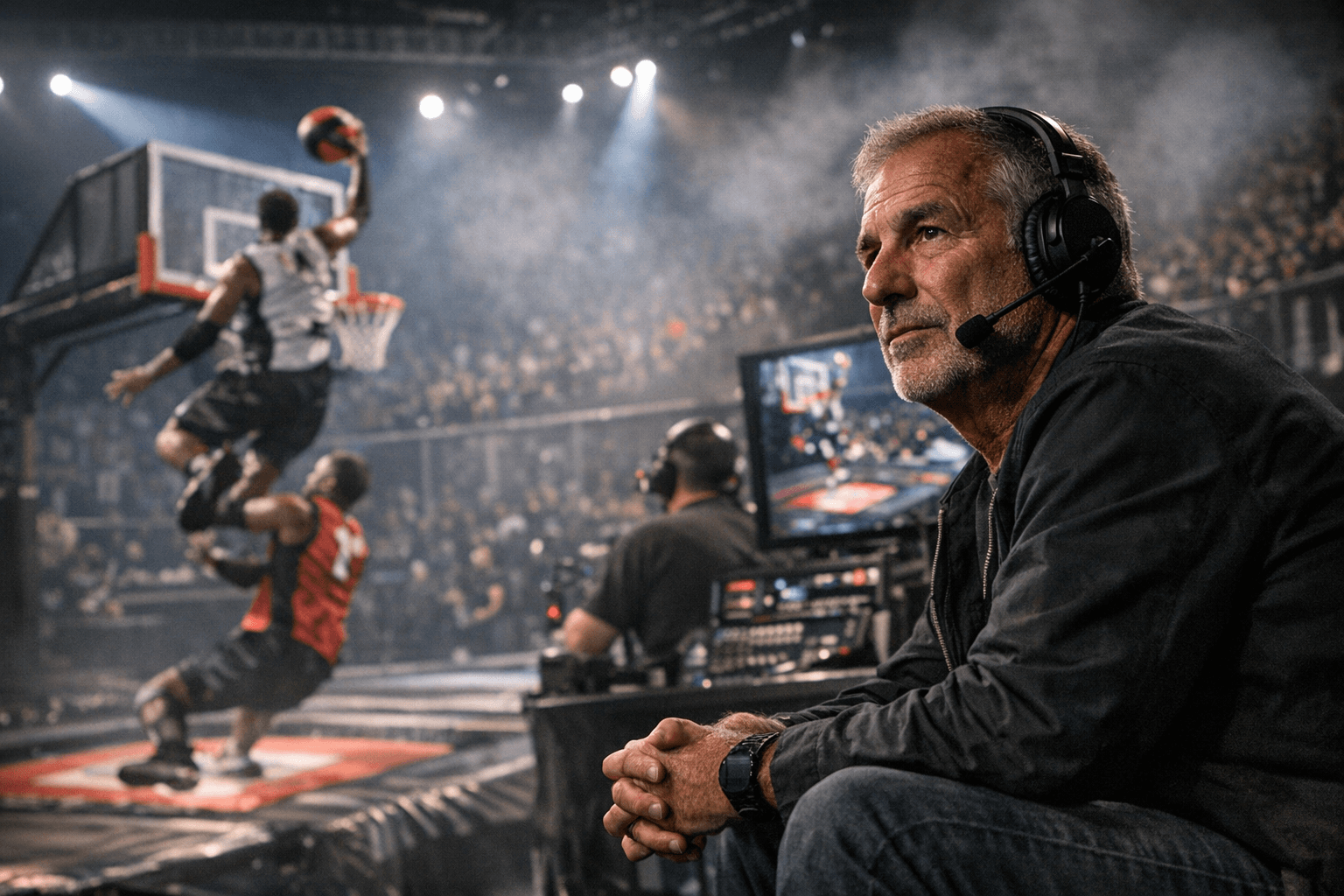
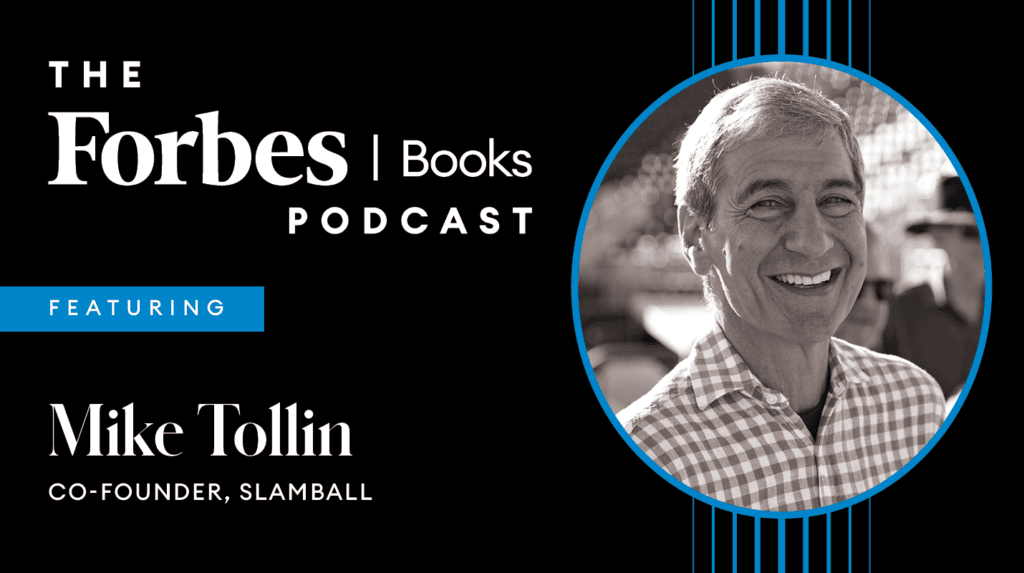
That matters because Michael Tollin, identified by SlamBall as co-founder and known in the league’s bio as Mike Tollin, is not being presented here as a back-office executive. He is a veteran storyteller with the kind of résumé that makes a sports property look like a media franchise in waiting, and that framing is central to understanding why SlamBall keeps coming back.
Why Tollin’s background shapes the league’s future
Tollin’s name carries weight beyond SlamBall because he has spent years helping define how sports are packaged for modern audiences. His work includes The Last Dance, The Captain, and The Redeem Team, along with a long list of film and television projects that helped make him a major voice in contemporary sports storytelling. SlamBall’s own bio also gives him unusually deep credibility, noting three Emmy wins, three Peabodys, and an Academy Award nomination.
That résumé helps explain the league’s creative posture. SlamBall has never been sold simply as a competition format; it has been presented as a platform for characters, highlights, and repeatable drama, the kind of property that can inspire athletes, business people, and fans at the same time. Tollin’s role suggests a larger belief that sports only break through in a crowded market when they are packaged with narrative intelligence and clear identity.
The 2023 relaunch was built like a television event
The most important recent test of that strategy came with SlamBall’s 2023 relaunch, which opened live from Las Vegas on July 21, 2023. The league announced an exclusive two-year national broadcast partnership with ESPN for the 2023 and 2024 seasons, and ESPN said the 2023 slate would deliver more than 60 hours of action across ESPN, ESPN2, and ESPN+. That kind of distribution is not just exposure. It is a statement that SlamBall is being treated as a scheduled property, not a one-off spectacle.
The staging reinforced the point. SlamBall said the 2023 season began with 24 players in training camp on June 5, 2023, and the full run took place at Cox Pavilion in Las Vegas. The season ended on August 17, 2023, when the undefeated Mob won the Gordon/Tollin Trophy, giving the reboot a clean sporting climax that also doubled as a branding win.
Eight teams, one balancing act
The 2023 lineup showed how carefully SlamBall is managing nostalgia and novelty. Three legacy teams returned, the Mob, Rumble, and Slashers, while five new entries expanded the roster: the Buzzsaw, Gryphons, Lava, Ozone, and Wrath. That mix gave longtime followers familiar anchors while giving the relaunch fresh storylines, new rivalries, and more distinctive identities to push through broadcasts and social feeds.
- Legacy continuity: Mob, Rumble, Slashers
- New energy: Buzzsaw, Gryphons, Lava, Ozone, Wrath
- Competitive payoff: the Mob finished undefeated and took the Gordon/Tollin Trophy
That structure matters because alternative sports often live or die on recognizability. Fans need to know who to root for, which names stick, and which matchups can turn into repeatable moments. SlamBall’s roster design shows a league thinking like a content company, not just a competition organizer.
Why the format works in the social age
The strongest argument for SlamBall is that the sport is made for modern viewing habits. Its pace, collisions, and trampoline-driven finishes naturally produce fast clips, memorable plays, and moments that travel well across screens. The league’s own framing leans into that reality, emphasizing replay value, discussion, and sharing as part of the product, not just the byproduct.
That is also why Tollin’s comments land so clearly in this context. He frames sports as a vehicle for inspiration, which is a broader mission than winning games or selling tickets. In practice, that means SlamBall is being positioned as a place where athletic spectacle and media craft reinforce each other, each one making the other more legible to audiences that discover highlights before they ever see a full game.
The numbers from 2023 point to a bigger business idea
SlamBall later said the revival exceeded expectations across social, broadcast, attendance, and media-engagement metrics. It also said the 2023 effort was only the beginning, with expanded programming and events planned for 2023-24 and the following summer. Those are the signals of a league trying to move from relaunch to ecosystem.
That larger ambition places SlamBall in a broader industry trend. Across sports and entertainment, the properties winning attention are the ones that behave like franchises, not just schedules. They build recognizable characters, create broadcast-friendly formats, and make each game feel like an episode in a larger story. Tollin’s vision suggests SlamBall understands that its real competition is not another court sport, but every other piece of content fighting for time, attention, and emotional investment.
This article was produced by Prism’s automated news system from verified source data, official records, and press releases, then run through automated quality and moderation checks before publishing. The system is built and supervised by the people who set the standards it runs under. Read our full AI policy.
Did this article answer your question?