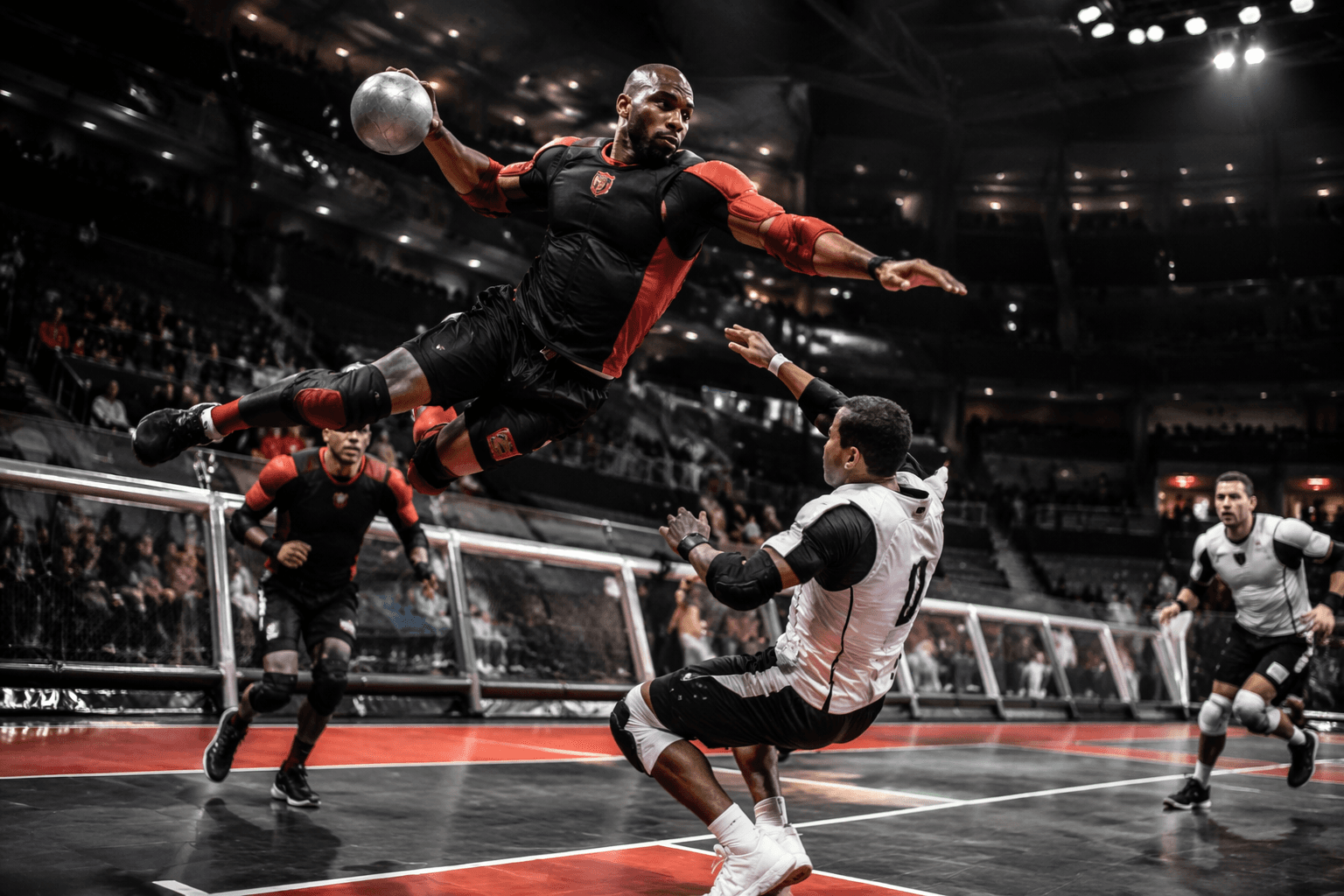
SlamBall portal prioritizes all-around athletes, not just highlight-reel dunkers
SlamBall’s portal is a scouting manifesto: it filters for speed, power and finishing skill, not just one viral dunk. That tells you exactly what kind of athlete the league thinks can last.

The portal is the scouting board
SlamBall’s athlete portal does more than collect names. It reveals the league’s model of success, and that model is built around range, not spectacle alone. The application is asking for evidence that a player can survive contact, move with pace, finish above the rim and still function in a game that rewards many skills at once.
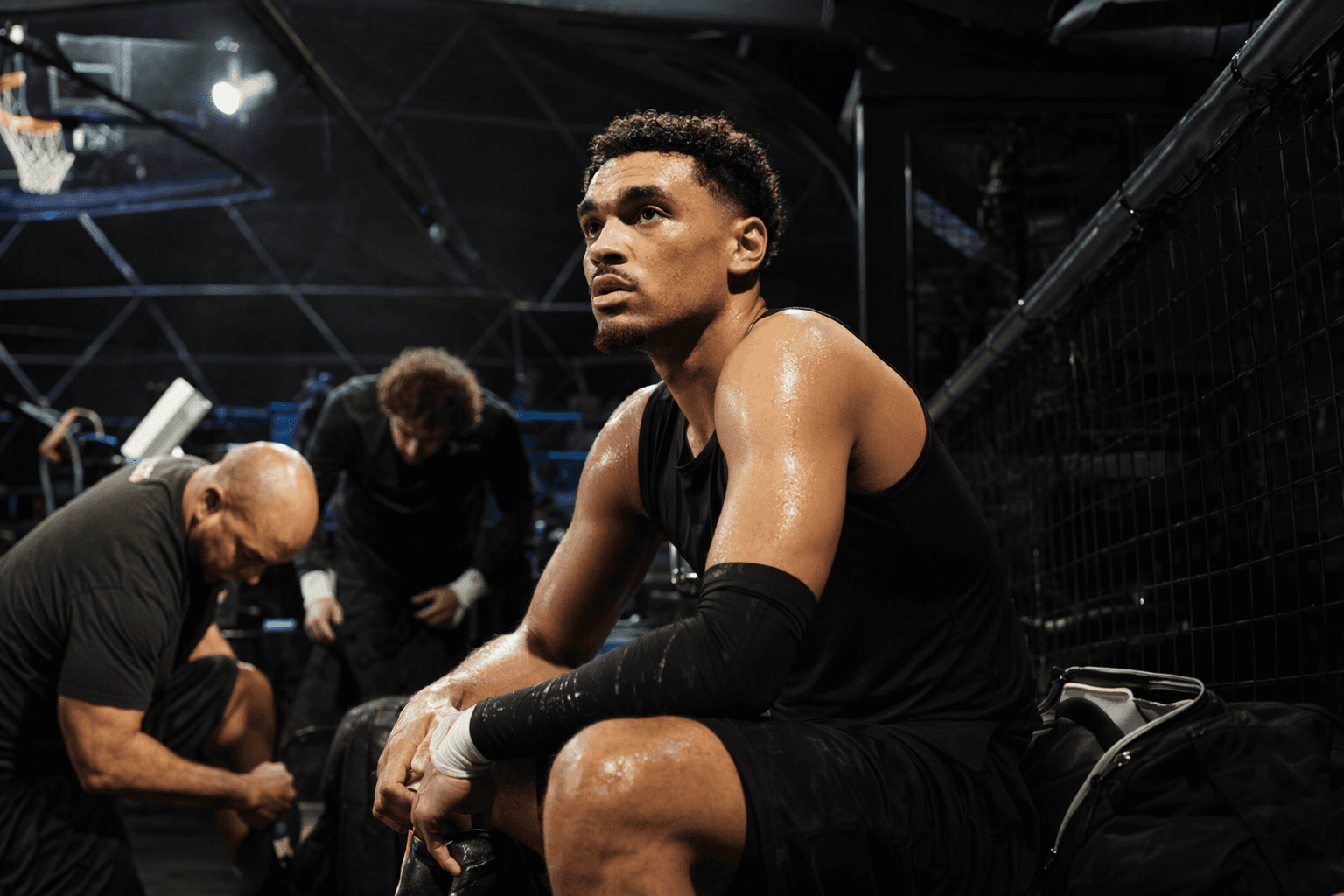
That matters because SlamBall has always sold a blend of basketball and football energy, but the portal shows the league is trying to identify the athletes who can actually make that blend work. It is not a request for a polished résumé first. It is a request for proof.
What the portal asks for
The requirements are simple, but they are revealing.
- At least one video submission
- No clip longer than five minutes
- Video hosted on a third-party platform such as YouTube, Vimeo or Hudl
- Footage that shows strength, athleticism, dunking, shooting and speed
- Agreement that the video can be used or published in media such as Instagram and TV for marketing
That structure tells you two things at once. First, SlamBall wants scouting to stay efficient, fast and easy to review. Second, it wants the discovery process to feed the league’s content engine. In SlamBall, athlete evaluation and audience building are treated as parts of the same pipeline.
The third-party hosting requirement also matters. By pushing applicants to use an existing video platform rather than uploading files directly, the league keeps the process tidy and media-friendly. It is a practical choice, but it also fits a league that lives on clips, highlights and replayable moments.
Why all-around athletes fit the sport
The portal’s language mirrors the game itself. SlamBall does not reward a single trick in isolation. A player who can jump but cannot move, a burner who cannot finish, or a powerful body who cannot handle the ball would all be limited fits in a sport that compresses space and amplifies collisions.
That is why the portal emphasizes a mixed skill set. Strength matters. Speed matters. Shooting matters. Athleticism matters. Dunking matters, but only as one piece of the package. In a league built around trampolines, contact balance and quick decisions, the player who succeeds is often the one who can do a little of everything well.
The league’s rules underline that reality. With four players on the court at one time and seven active players on each roster, there is nowhere to hide. Every athlete has to contribute across phases of play, and the smallest imbalance in a skill set can become obvious fast. In other words, the portal is not screening for the best clip. It is screening for the best fit.
The 2023 roster made the philosophy visible
SlamBall’s 2023 return made that philosophy impossible to miss. The league said the players selected were “a cross-section of the best athletes in basketball, football, track and more,” and the average age of the roster was 26.9 years. That average says a lot: these were not just teenagers chasing a viral moment. They were grown athletes with enough physical development and competitive experience to fit a demanding, fast-moving sport.
The roster also showed how wide the body-type range can be. Tony Crosby II was identified as the shortest player at 5-foot-6, while Vincent Boumann stood at 6-foot-9 as the tallest. Those two names, and that size gap, are a good reminder that SlamBall is not looking for one prototype. It is looking for function.
That is the bigger point hidden inside the portal. The league is not asking prospects to imagine themselves as traditional basketball players. It is asking them to show how their own athletic tools might translate into a sport that values jumpability, resilience, spatial awareness and the ability to finish in traffic.
The relaunch shows the league wants a real on-court identity
The portal also makes more sense when you place it next to SlamBall’s 2023 comeback. The season ran for five weekends at Cox Pavilion in Las Vegas, and ESPN, ESPN2 and ESPN+ combined to air more than 30 hours of live programming. SlamBall described that broadcast arrangement as an exclusive two-year partnership covering the 2023 and 2024 seasons.
That scale matters because it shows the league was not just staging a one-off nostalgia event. It was trying to build a media property with enough structure to last beyond the first wave of curiosity. If the league is going to fill hours of programming, it needs athletes who can create repeatable value, not just one-off highlight clips.
That is where the portal becomes strategic. A sustainable on-court identity depends on repeatable athletic profiles. The league needs players who can absorb the physical demands of the game and still produce on both ends. It needs enough variety in the pool that rosters can be assembled around roles, not only fame or flash.
Why the scouting lens tells you where SlamBall is headed
SlamBall says it was invented in 1999 by Mason Gordon and first played in Los Angeles, and that origin story still shapes the way the league presents itself. It is part basketball, part football, built around trampolines and deep strategic layers. The portal is basically the modern expression of that idea: a clean test for whether an athlete belongs in a hybrid sport that asks for more than vertical leap alone.
Gordon’s own roster framing captures the point. The league is building around a broad athletic mix, not a single type of star. The portal reflects that same logic by rewarding versatility, contact tolerance and all-court production. It is a blunt but effective signal to anyone trying out: SlamBall is for the athlete who can do everything in motion.
That is what makes the portal more than an application form. It is a manifesto for how SlamBall sees itself, and for what kind of body, skill set and competitive temperament can survive inside it. The league’s future depends on proving that the sport is not just memorable. It has to be playable, scalable and distinct. The portal suggests SlamBall already knows that the athletes who last will be the ones who can answer every part of the game, not just the crowd.
This article was produced by Prism’s automated news system from verified source data, official records, and press releases, then run through automated quality and moderation checks before publishing. The system is built and supervised by the people who set the standards it runs under. Read our full AI policy.
Did this article answer your question?