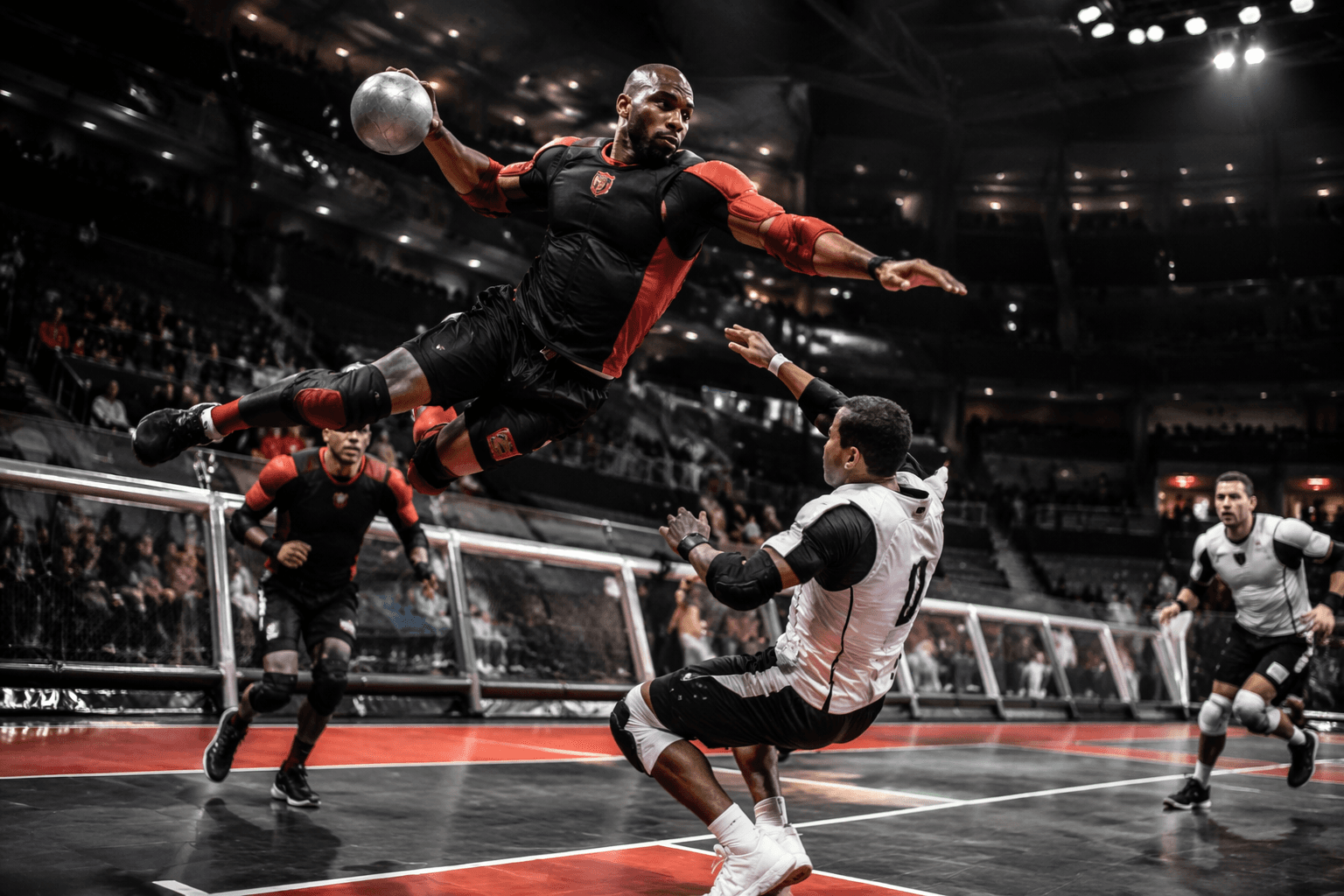
SlamBall returns on ESPN, testing whether nostalgia can build staying power
ESPN gave SlamBall a rights fee, three opening-night games and a bigger TV runway, but the real test is whether the crowds, ratings and roster can hold up.
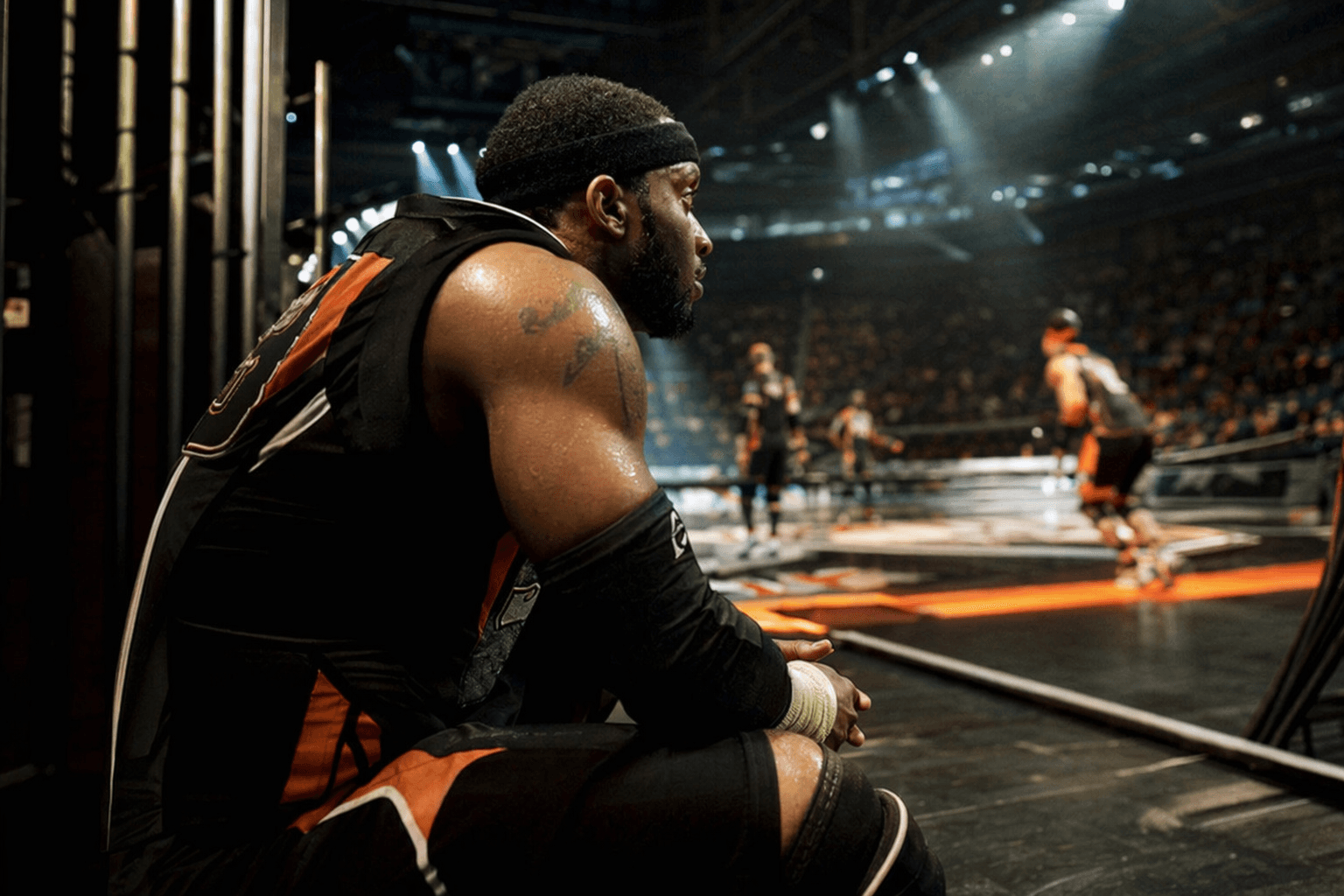
SlamBall’s return to ESPN came with the pieces a revival needs: a two-year rights deal, a national broadcast window and enough familiar names to help explain the sport’s chaos at full speed. It also came with a harder question that hangs over every reboot in this niche, whether the league can turn a burst of curiosity into something steady enough to survive beyond nostalgia.
ESPN’s partnership covers the 2023 and 2024 seasons, and the opening night schedule was built to look like a real property, not a one-off stunt. The launch included three games on ESPN on Friday night, with additional matchups on ESPN+ through the weekend. The broader plan is even more ambitious, with four more weekends of games, ESPN2 carrying three games each weekend and the playoffs shifting back to ESPN in mid-August. That structure matters because SlamBall’s original run never found a durable live television path.
The early atmosphere in Las Vegas suggested how steep that challenge remains. Crowds at Cox Pavilion, the multipurpose UNLV venue connected to the Thomas & Mack Center and home to women’s basketball and volleyball, were relatively small and mostly subdued as the league returned after a long absence. Former NBA guard Nate Robinson was part of ESPN’s announcing team, a reminder that SlamBall still leans on recognizable figures to help viewers decode the collisions, rebounds and scoring swings that make the sport unlike anything else on TV.
The league now has more than nostalgia behind it. Front Office Sports reported that SlamBall raised $11 million in funding for the reboot, with support from investors including Michael Rubin, David Blitzer, David Adelman, Gary Vaynerchuk and Blake Griffin. That capital, plus the guaranteed ESPN relationship, gives the league a cleaner business model than the one that failed before. The original version, which grew out of Mason Gordon’s 1999 concept, was pre-taped in a Los Angeles studio and edited into half-hour windows for SpikeTV before shutting down after the 2003 season when it could not secure a live broadcast future.
The next few weeks will tell the real story. SlamBall does not need just another splashy relaunch. It needs repeatable television windows, a crowd that grows beyond the first curious weekend, player retention that keeps the product recognizable, and enough sponsor and ratings momentum to justify the ESPN inventory. If those markers move in the right direction, the reboot becomes a business. If they do not, it becomes another highlight reel with a short shelf life.
This article was produced by Prism’s automated news system from verified source data, official records, and press releases, then run through automated quality and moderation checks before publishing. The system is built and supervised by the people who set the standards it runs under. Read our full AI policy.
Did this article answer your question?