Twins Stashing Top Prospects in Triple-A Sparks Backlash
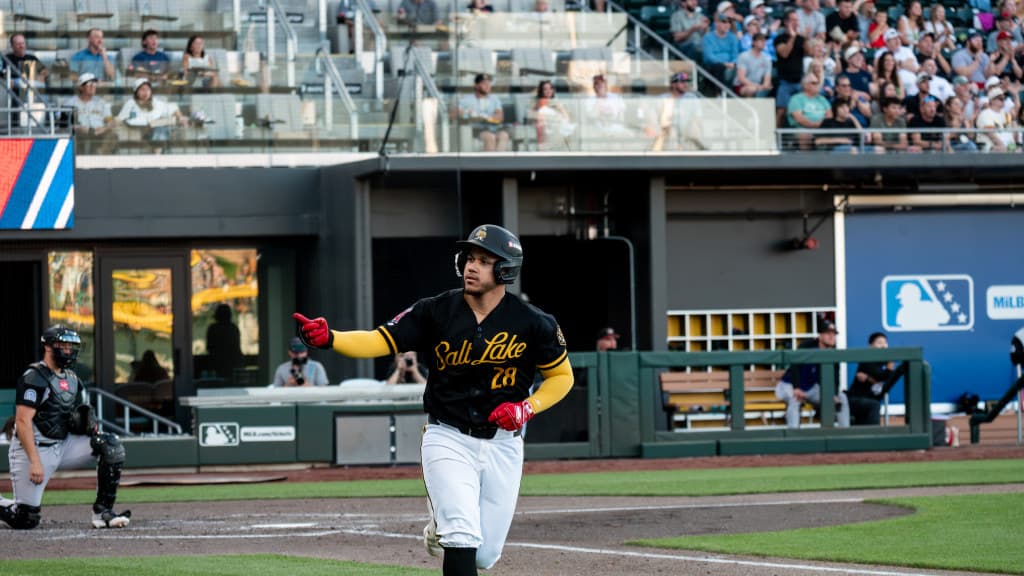
The Pirates promoted 19-year-old Konnor Griffin after just five Triple-A games, intensifying scrutiny on the Twins keeping Jenkins and Culpepper in St. Paul.
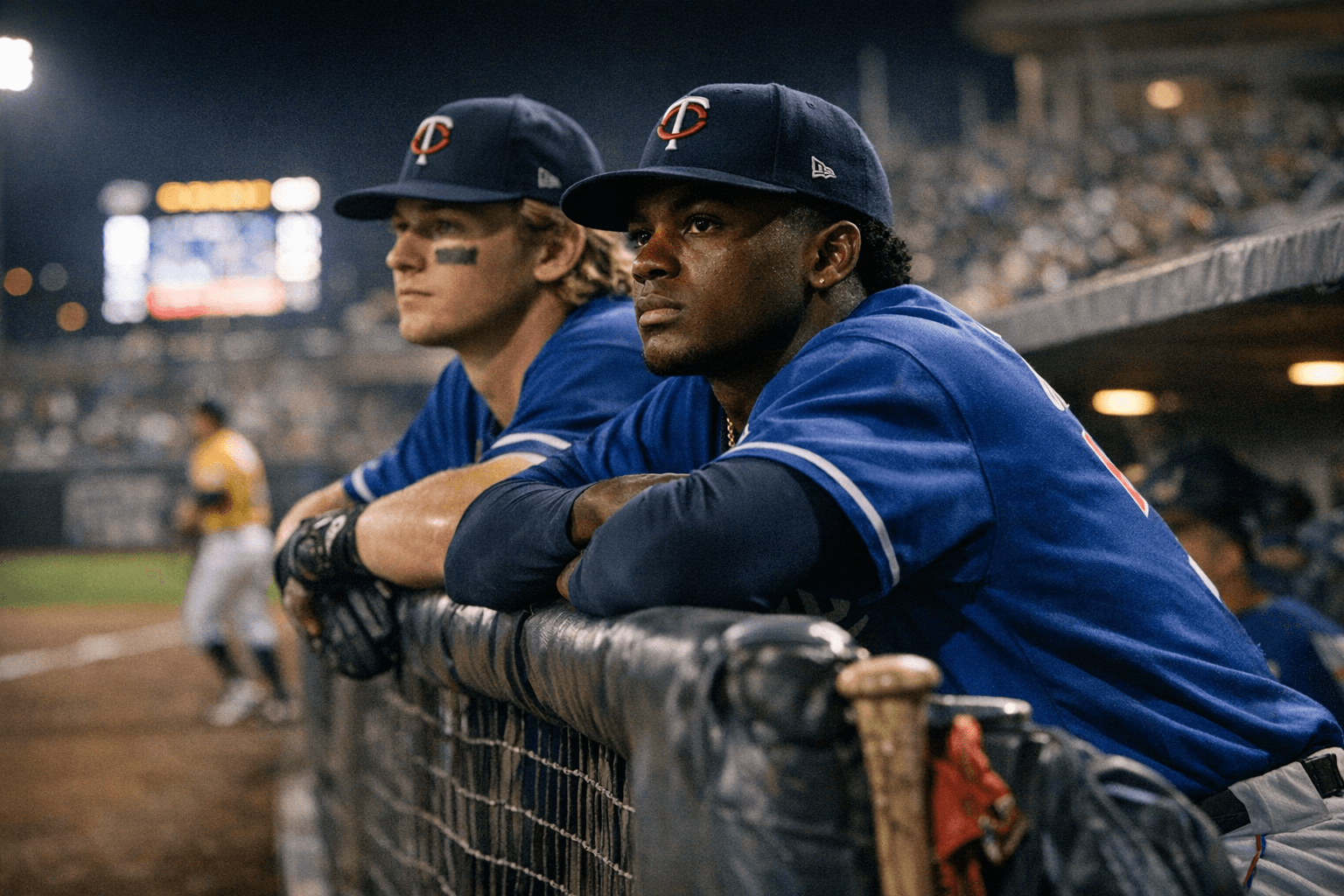
Pittsburgh's decision to call up 19-year-old shortstop Konnor Griffin after just five Triple-A games has sharpened the spotlight on Minnesota, where two of the game's top prospects are sitting in St. Paul with no promotion in sight.
The Pirates waited roughly one week into the 2026 season before promoting Griffin to the major leagues. Griffin, 19, played in five Triple-A contests before getting the call, hitting .438/.571/.625 for Indianapolis. The move came alongside a reported nine-year, $140 million extension, tying the top prospect in baseball to Pittsburgh for the foreseeable future.
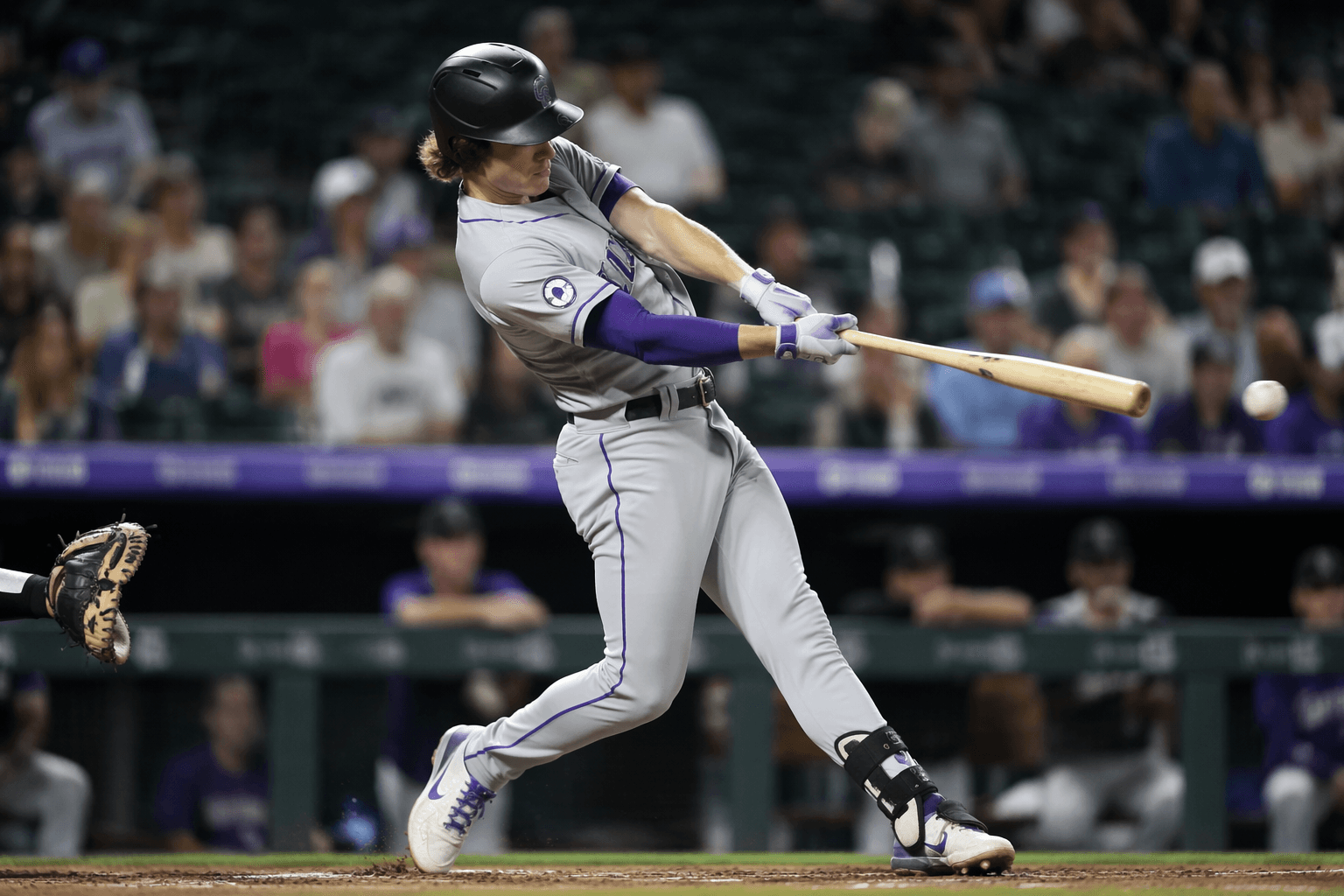
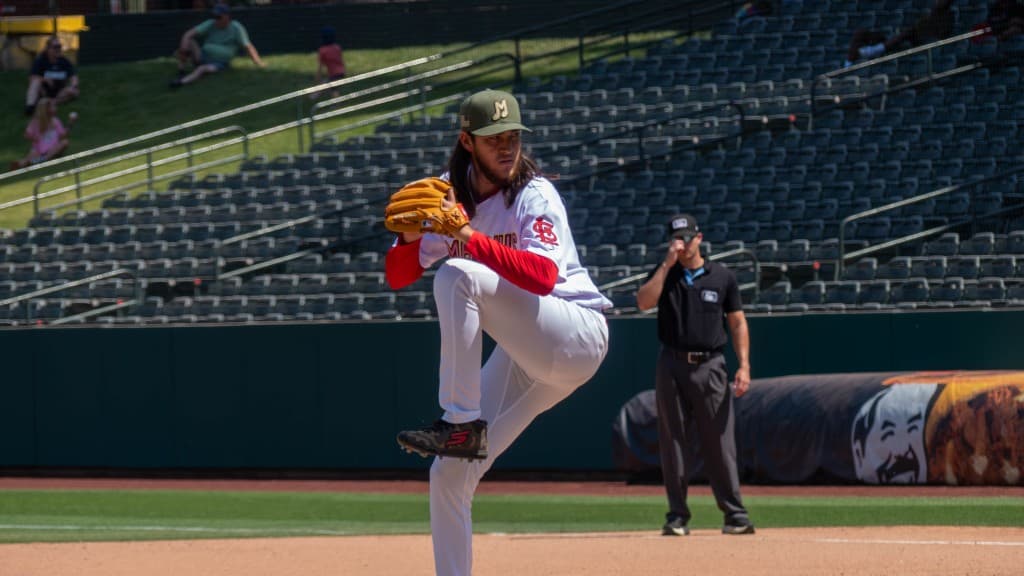
The contrast with Minnesota's approach is difficult to ignore. With the minor league season underway, the Twins projected both Walker Jenkins, ranked No. 12 overall by MLB Pipeline, and Kaelen Culpepper, ranked No. 50 overall, to begin 2026 at Triple-A St. Paul.
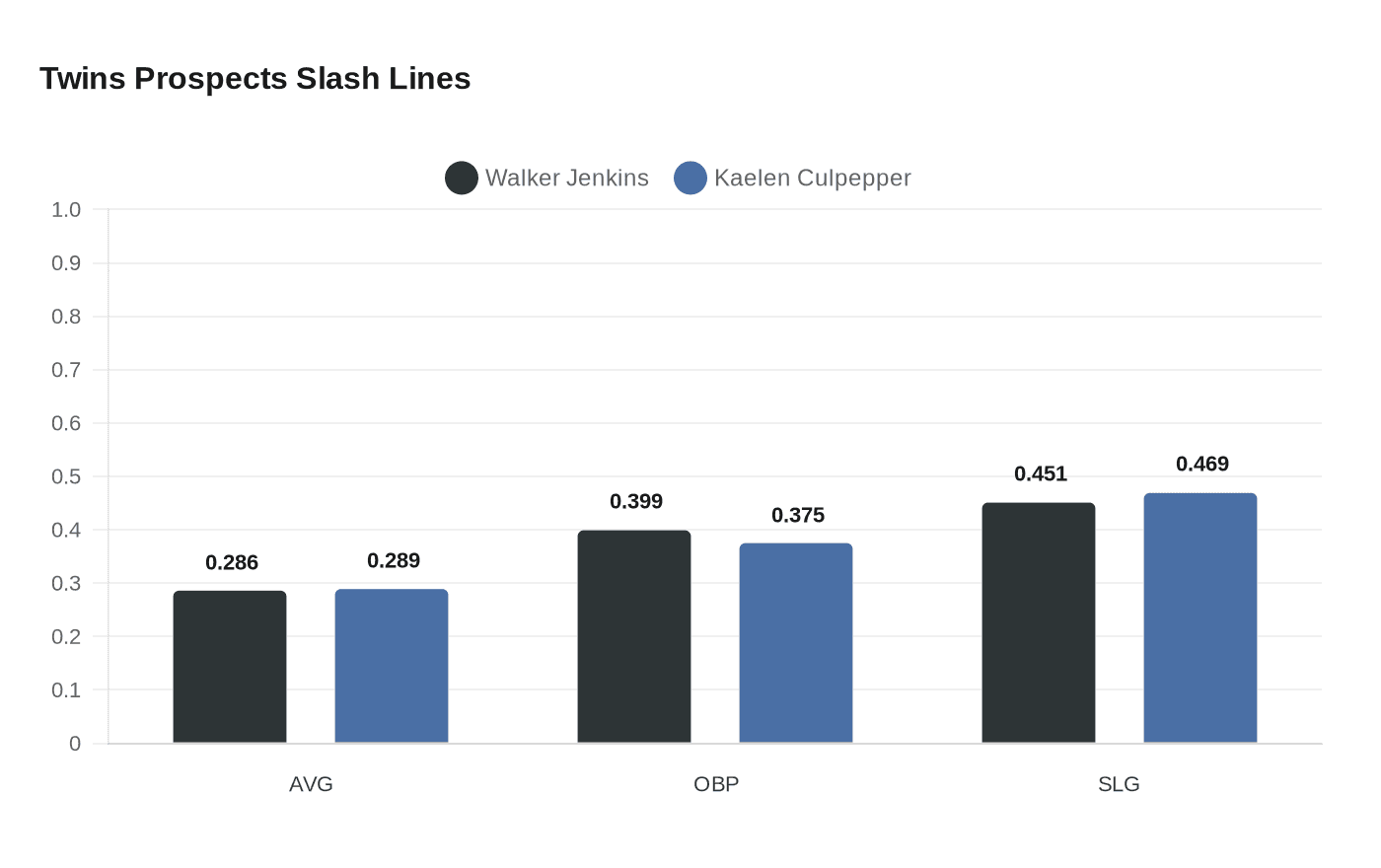
Jenkins has largely lived up to his billing since the Twins selected him fifth overall in the 2023 draft. Before his 21st birthday, he had climbed to Triple-A, a sure sign of a top prospect progressing at top speed. Jenkins dealt with injuries that cost him reps but steadily climbed the organizational ladder, closing out 2025 with 23 games in Triple-A. Across four levels, he slashed .286/.399/.451 with ten home runs and 17 stolen bases. The ankle injury that shelved him last June undeniably cost him time, but the underlying production has never been the issue.
Culpepper made his Triple-A debut this season and got off to an impressive opening effort, going 5-for-14 (.357) in his first series with the Saints, scoring three times alongside one home run, four RBIs, and one walk. In his first full professional season, Culpepper posted a .289/.375/.469 slash line with 20 home runs and 25 stolen bases across 113 games between High-A and Double-A. He then doubled down on that production literally, tallying two hits in a recent Triple-A doubleheader, with both leaving the yard.
The criticism being leveled at the Twins is not simply about impatience. It centers on transparency and the question of what, exactly, a prospect must do to earn a call-up. Minnesota has taken a patient approach with its position players in recent years, preferring to give them plenty of at-bats at each level. But Jenkins has looked like an outlier since the moment he signed.
The Twins are not expected to compete in 2026, which means the organization can be patient with Jenkins' big league timeline. That reasoning only inflames the debate further. Service time manipulation is not unique to Minnesota, but the Pirates' willingness to promote Griffin immediately, then lock him up long-term, offers a direct counterargument to the slow-play philosophy.
Pittsburgh GM Ben Cherington explained the reversal by pointing to Griffin's impressive developmental response and noting that Griffin made the team better and represented a significant upgrade at shortstop. The Twins have no equivalent forcing function pushing Jenkins or Culpepper through the door faster.
What makes the backlash credible rather than reactionary is the production sitting idle at CHS Field. Two top-50 prospects in the same Triple-A lineup, both hitting, both with no clear timeline to Minneapolis: that is a situation the Twins will need to address before the calendar turns on their window to control both players cheaply.
This article was produced by Prism’s automated news system from verified source data, official records, and press releases, then run through automated quality and moderation checks before publishing. The system is built and supervised by the people who set the standards it runs under. Read our full AI policy.
Did this article answer your question?