7 white-label link-building providers agencies can use to grow SEO
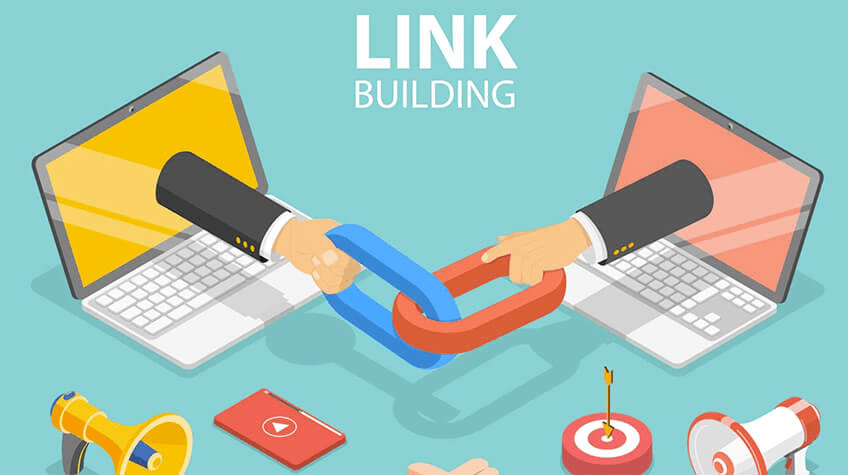
Agencies buying white-label links in 2026 need more than a vendor list. The real test is whether a partner can prove relevance, reporting rigor, and Google-safe delivery.
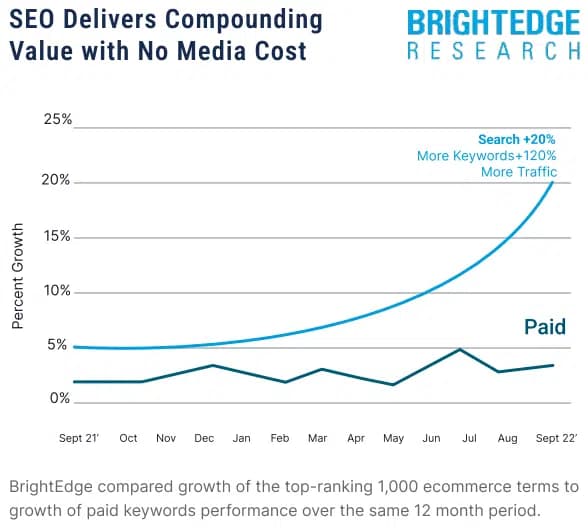
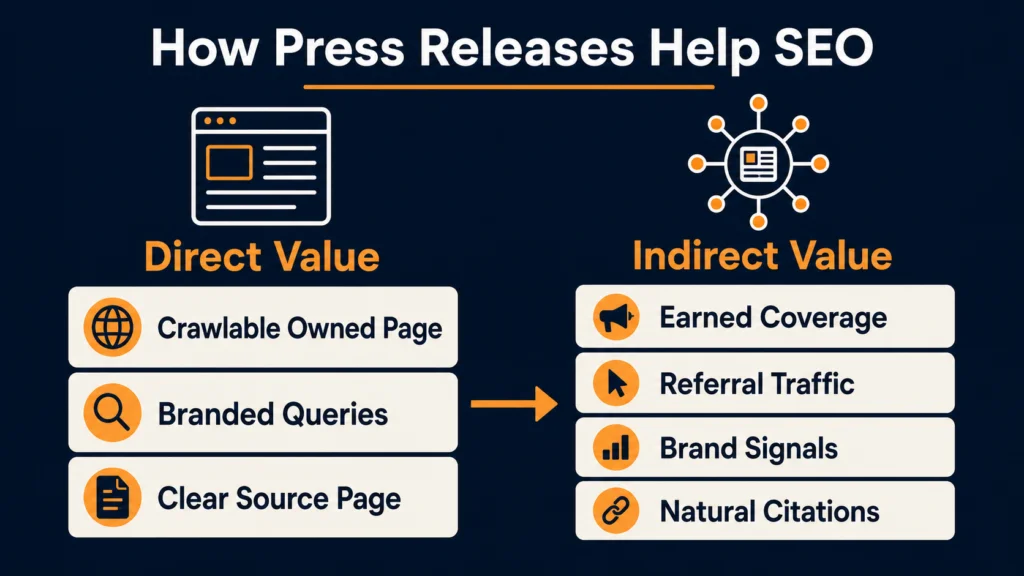
Google’s own guidance makes the tradeoff clear: links help it discover new pages and judge relevance, but its ranking systems are built to reward helpful, people-first content, not tactics meant to game rankings. Its spam policies can push pages lower or remove them from results, SpamBrain keeps tightening spam detection, and the site reputation abuse policy targets third-party content that tries to ride a host site’s existing signals. That is why white-label link building has shifted from raw volume to vetting, niche fit, and client-ready reporting, especially in listicle placements that Techzeel says often rank for commercial and buying-intent queries. Ahrefs and Semrush both run agency directories that include link-building providers, which shows the category has become a standard buying lane for agencies rather than a niche workaround.
Mavlers Agency
Mavlers is the first stop in Techzeel’s shortlist because it is built around the questions agencies actually ask: relevance, trust, reporting, and whether the work can be delivered under another brand. Techzeel says the agency serves partners across North America, Europe, Australia, and other markets, and Mavlers’ own service pages position the offer around white-label link building, strict NDA handling, dedicated points of contact, and transparent reporting. The practical advantage is that campaigns are personalized to niche and business goals, with listicle link building and comparison-style placements aimed at both rankings and referral traffic. The limit is equally important: this is a strategy-led option, not a cheap link factory, so it fits agencies that want editorial fit and client retention more than the lowest possible unit price.
OutreachZ
OutreachZ is the clearest fit for agencies that need pricing control and a cleaner wholesale model. Its public pricing and provider pages emphasize fixed packages, manual outreach, a vetted publisher network of 50,000-plus sites, and white-label capability, which makes it easier to protect margin when you are reselling links inside a broader SEO retainer. The strength here is operational clarity: agencies can decide whether to buy per package or use a more managed flow, rather than stitching together outreach, content, and publishing from separate vendors. The tradeoff is that buyers still need to press on niche overlap, replacement rules, and how much control they get over anchor text and publication type, because a transparent catalog is not the same thing as a fully bespoke campaign.
The HOTH
The HOTH is built for agencies that want breadth and speed under one reseller umbrella. Its white-label program lets agencies resell link building, content writing, and managed SEO under their own brand, and its link building hub says it offers eight a la carte products, transparent pricing, and usage by more than 100,000 clients since 2010. That makes it useful when your team needs a recognizable operating system instead of a custom one-off relationship for every campaign. The downside is that a productized stack can be less flexible than a bespoke outreach model, so it suits agencies that value predictable fulfillment and packaged deliverables more than fully custom publisher selection.
FATJOE
FATJOE leans harder into agency convenience than most competitors. Its site says agencies use its white-label link building services monthly, with white-label reports, dashboard ordering, and genuine outreach, while its broader services page adds digital PR and content creation to the mix. It also pushes a dedicated concierge model and quick turnaround times, with entry pricing shown on the link-building page, which is useful for agencies that need to keep fulfillment simple and cash flow predictable. The limit is that fast, productized delivery is not always the right answer for highly competitive niches, where agencies may need more bespoke editorial targeting and stronger account-level strategy.
Loganix
Loganix is the broadest operator in this group, and that matters if you want one vendor to cover more than just link acquisition. Its agency-facing pages position the company around premium link building for SEOs and marketing agencies, with white-label digital marketing support, guest posts, niche edits, brand links, and HARO-style media placements inside the same service stack. That breadth helps agencies that sell local SEO, content, and off-page work together, because it reduces the number of vendors sitting between you and the client. The unanswered question is quality control at the placement level, so agencies should press for examples of publication vetting, reporting depth, and how the team separates quick fulfillment from higher-trust editorial work.
Page One Power
Page One Power is the most obviously custom option in the group. It says its white-label partnerships let agencies integrate link building into broader client programs, and it frames the work as white-hat outreach supported by content creation, with U.S.-based execution and agency pricing benefits. Since the company has been building links since 2010, it fits agencies that need a mature process and are willing to pay for a more hands-on model instead of buying by the carton. That usually means better strategic fit in competitive verticals, but it also means slower throughput and less price compression than productized vendors can offer.
LinkGraph
LinkGraph is the strongest option in this group for agencies that care about reporting architecture and campaign visibility. Its white-label pages say the company handles outreach, content creation, and reporting while the agency keeps client ownership, and its link building page adds a client dashboard that tracks article drafting, pitching, and live URLs, along with a 45-point visual checklist and publication scoring. That structure gives account teams more leverage in client reviews because they can show process, not just results. The caution is that the model is heavy on process and enterprise language, so agencies should make sure the reporting cadence, niche filters, and placement criteria align with their own margin targets before they commit to scale.
This article was produced by Prism’s automated news system from verified source data, official records, and press releases, then run through automated quality and moderation checks before publishing. The system is built and supervised by the people who set the standards it runs under. Read our full AI policy.
Did this article answer your question?