Agencies Can Scale Link Building Without Sacrificing Quality Using These Seven Steps
Seven specialized roles and strict QA gates separate agencies that scale link building profitably from those that chase volume and invite penalties.
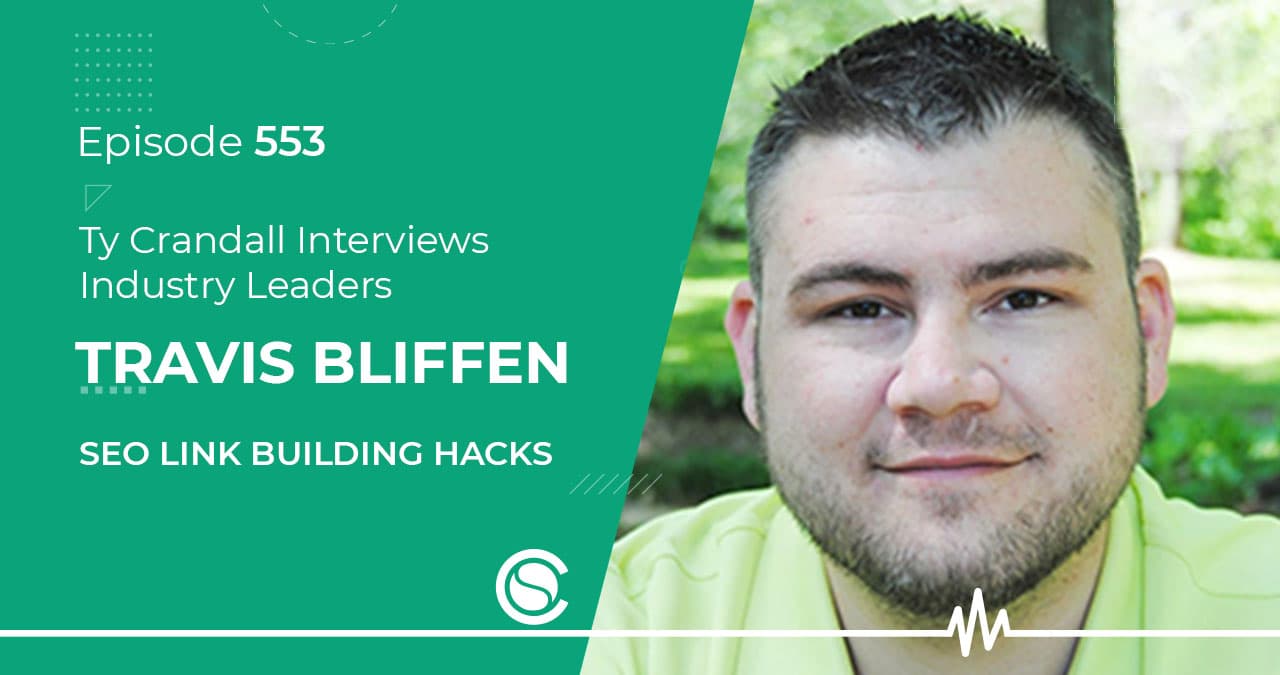
Scaling link building is fundamentally a math problem. To move a target page to a competitive ranking position, an agency must understand the link velocity required to outpace competitors, then build a repeatable production system capable of hitting that cadence across every client in the portfolio. Most agencies that attempt this at volume run into the same three failure points: they lean too hard on automation and sacrifice the relationship-building that earns editorial placements; they staff generalists who are stretched across discovery, outreach, writing, and review instead of specialists who own one function each; and they skip velocity planning entirely, treating link building as a batch activity rather than a sustained cadence. Travis Bliffen, CEO of Stellar SEO, a 2024 Inc. 5000-ranked agency that has built over 25,000 links since 2012, has distilled the operational blueprint into seven interconnected roles and the process gates that hold them together.
Step 1: Build a Prospector Function, Not a Database Habit
The first role in a scalable link building operation belongs to prospectors, and their job is manual by design. Prospectors identify topically relevant, editorially credible publication targets by reviewing historical traffic patterns, publishing activity, and link profile health before a domain ever enters the outreach queue. Bulk lists, third-party link databases, and recycled vendor inventories are specifically excluded from this stage because they introduce low-quality targets that will fail QA gates downstream and generate wasted outreach effort. The prospecting function sets the quality ceiling for everything that follows; if the input pool is weak, no downstream process can compensate.
Step 2: Staff Outreach Specialists Who Build Relationships
Outreach is not a sequencing task that automation handles once the prospect list is ready. Platforms like Pitchbox and Buzzstream serve a legitimate coordination role, helping teams manage communication threads and track pipeline status, but the relationship-building itself must remain human-driven. Outreach specialists own publisher relationships over time, which means response rates improve with tenure and placements become more reliable as trust compounds. Agencies that replace this role with automated sequences erode the relationship equity that produces consistent editorial access at scale.
Step 3: Pair Content Creators With Editors Who Enforce Standards
Content creators and editors form the third functional unit, and they operate as a linked pair rather than a sequential handoff. The creator produces publishable assets calibrated to each target publication's editorial standards; the editor reviews for quality, topical alignment, and compliance with the client's anchor text and linking guidelines before anything is submitted. This pairing is what keeps placements looking natural to both publishers and search engines. An anchor distribution policy enforced at this stage, including rules about exact-match ratios, branded anchor percentages, and contextual relevance, prevents the kind of footprint patterns that draw manual review penalties.
Step 4: Assign Account Managers Who Map Links to Client Goals
Account managers sit between the production team and the client, and their primary function is translation: turning link activity into business context. Rather than reporting raw metrics, they map placements to the ranking objectives that matter to each client, whether that means movement on a revenue-critical commercial page, authority flow to a newly launched service section, or closing a topical gap against a specific competitor. This role also owns expectation alignment. Productized packages with defined monthly volumes and explicit velocity commitments prevent the disconnect that occurs when a client expects ten placements in week one and the production team is still in outreach.

Step 5: Run QA Specialists as the Final Gate Before Delivery
QA specialists own the output validation layer, and nothing gets logged as a delivered placement until it passes their checklist. That checklist includes screenshot capture of the live placement, a canonical tag check to confirm the page is indexable, a verification that the link is crawlable and not blocked by robots or nofollow attributes where follow links were contracted, and confirmation that the placement page reflects the agreed editorial context. This is the step that agencies most commonly skip under delivery pressure, and it is also the step that generates the most downstream client complaints when it is absent. The 2025 Ahrefs State of Link Building found that agencies verifying live URLs at delivery cut refund claims by 32% within months of implementing the practice.
Step 6: Use Technical Analysts to Measure Link Impact
Technical analysts close the measurement loop by tracking what each placement actually does in search. They monitor traffic signals, ranking movement on target pages, and the rate at which new links get discovered and indexed. This data feeds back into velocity planning, allowing the operations lead to calibrate monthly output targets against observed ranking lift rather than guessing at required cadence. It also provides the reporting substance that makes client retention easier: when account managers can show that a cluster of placements corresponded to measurable position gains on a revenue-driving page, the ROI conversation becomes concrete rather than speculative. Pricing, too, should reflect this: Bliffen's playbook advises anchoring package price to expected ranking lift and referral value rather than to per-link production cost, which reframes the engagement as an investment rather than a commodity purchase.
Step 7: Give Operations Leads Ownership of Velocity and Throughput
The operations lead is the system integrator, responsible for ensuring the entire production line runs at the velocity required to meet client commitments across the portfolio. This includes tracking prospecting pipeline depth so outreach never runs dry, monitoring content creation throughput so QA is never bottlenecked, and identifying where specialist capacity needs to expand before it becomes a delivery problem. Velocity planning at this level is what separates agencies that scale profitably from those that grow revenue and then fail to deliver: without an operations function actively managing throughput, growth simply multiplies the original failure points rather than resolving them.
White-label programs that embed all seven functions, with clear ownership at each stage and documented SOPs governing handoffs between them, can absorb additional client volume without degrading placement quality or compressing the editorial standards that make those placements valuable in the first place. Auditing a prospective white-label partner means verifying that each of these functions exists and operates independently, not that a single generalist team handles all seven. The agencies that treat this as an operational architecture question, rather than a headcount question, are the ones that turn link building scale into a durable competitive advantage.
This article was produced by Prism’s automated news system from verified source data, official records, and press releases, then run through automated quality and moderation checks before publishing. The system is built and supervised by the people who set the standards it runs under. Read our full AI policy.
Did this article answer your question?