Ahrefs shows how AI can scale international marketing across eight languages
Ahrefs' model shows how a lean agency can launch in eight languages without hiring full local teams. Agent A turns localization into a scalable, margin-friendly service line.
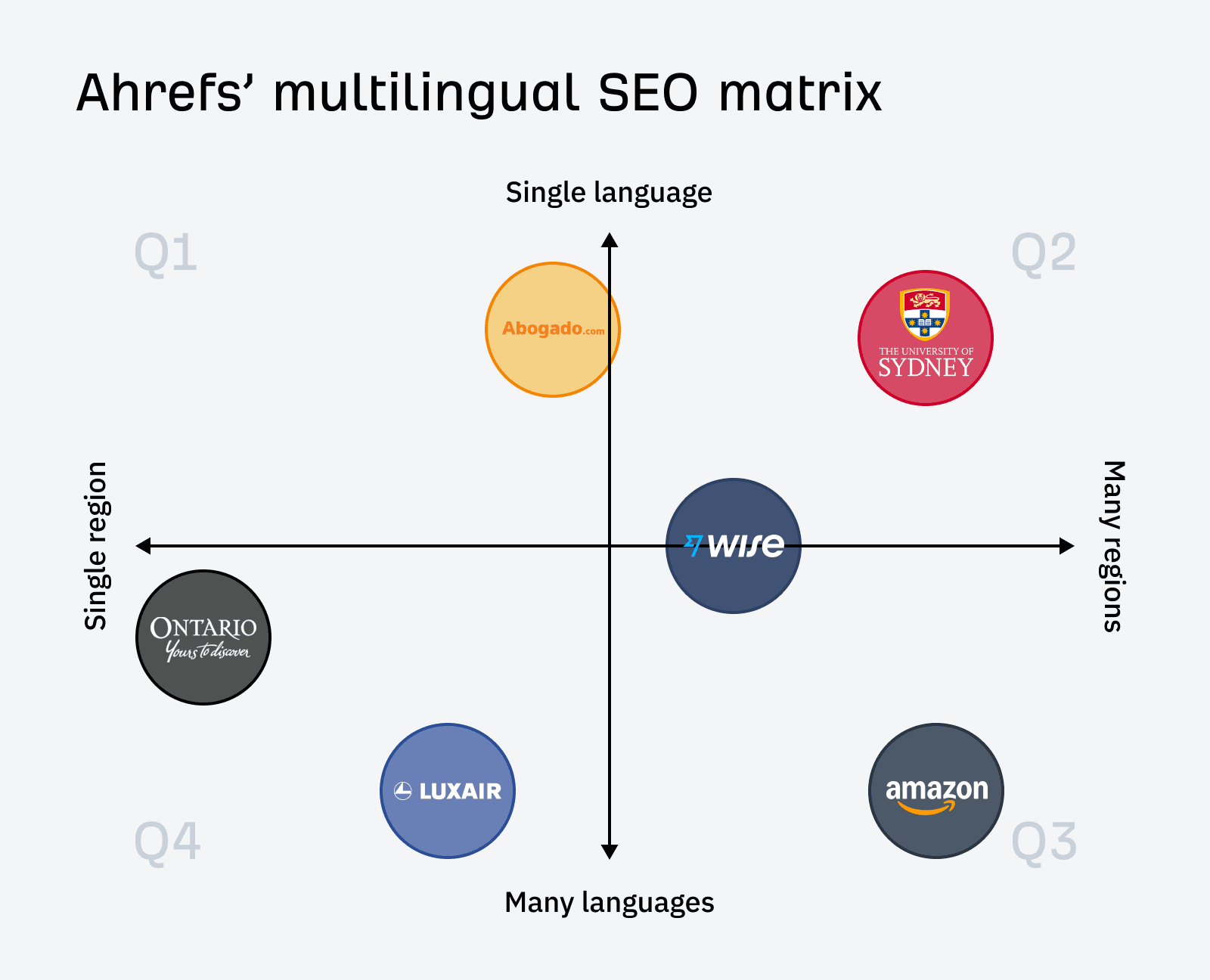
Eight language versions, one small team, and a lot less manual grunt work. That is the real lesson in Ahrefs’ international marketing setup: if you can turn translation, hreflang checks, internal linking, and publishing into a repeatable system, you can enter new markets without building a full local department for each one. For agencies, that is not just an efficiency win. It is a way to sell broader international coverage without letting headcount outrun revenue.
Build the multilingual machine, not the translation queue
Ahrefs publishes its blog in eight languages, and that alone tells you where the pain lives. Every refresh, every link swap, every technical check has to happen again across markets, which is exactly the kind of repetitive work that breaks lean teams. The international marketing operation is led by Erik Sarissky, Ahrefs’ Head of International Marketing & Product Localization, with Takanori Kawaharada serving as Regional Head of Marketing, Japan, and the team is already pushing growth in Spain, France, Germany, and Japan.
That structure is the part agencies should copy. The goal is not to create a giant localization department for every client. The goal is to build a small expert core that can oversee regional growth, while AI handles the repetitive production steps that would otherwise chew through billable hours.
Use AI where the workflow is predictable
Agent A is built for the kind of work that repeats every time you launch in a new language. Ahrefs says it can take one English-language article URL and produce up to seven publish-ready localized articles, complete with localized internal links, translated images, WordPress shortcodes, and a one-click publish-to-WordPress path. That is the difference between a tool that merely drafts copy and a tool that helps you actually ship content in market.
The backend matters here because the workflow is broader than translation. Ahrefs says Agent A has unrestricted access to Ahrefs endpoints and runs on a stack that includes Postgres, Flask, OpenRouter with more than 300 models, web fetch with page parsing, PDFs, OCR, scheduled jobs, and connectors to Slack, HubSpot, GitHub, Notion, Linear, Mailchimp, Resend, SendGrid, Stripe, Gong, WordPress, Airtable, Apify, and Semrush. In agency terms, that means the system is built to pull from live data, route work through internal tools, and push output into the places your team already lives.
A practical agency workflow looks like this:
- Refresh the English master page first, then localize from that version only.
- Use AI to generate the first draft, swap internal links, and adapt images and shortcodes.
- Route each market through a human reviewer who knows the local keyword set and brand tone.
- Publish directly into WordPress when the page passes technical QA.
- Track performance by locale, not just by the global campaign total.
Keep humans on strategy, keyword intent, and brand nuance
The biggest trap in multilingual SEO is thinking translation equals localization. Ahrefs’ earlier localization work makes the point clearly: Erik Sarissky quadrupled organic traffic to Ahrefs’ Spanish blog in 18 months, from 5.4k visits to over 22k visits, while overseeing localization across 14 languages. That kind of growth does not come from machine output alone. It comes from keyword research, market-specific positioning, and the judgment to know when a literal translation would miss how people actually search.
That is where human review still protects quality. A local editor should be checking whether the translated page uses the right search terms, whether the internal links point to the most relevant regional assets, and whether the page still sounds like the brand in that market. AI can move faster than a manual team, but it should not be the final authority on search intent or nuance.
There is also a strategic urgency here. Ahrefs warned in 2025 that Google had been increasingly translating English content into local languages since early that year, including in AI Overviews and Featured Snippets. If the search engine is willing to do the translation for you, you lose control over the wording, the targeting, and sometimes the click path. Localizing before Google does is how you keep the traffic, the message, and the attribution.
Why agencies should treat this as a product, not a one-off service
This is where the business case gets interesting. Ahrefs explicitly positions Agent A for agencies as a way to 10X team output without increasing headcount, and the product is priced from $99 per month, including one Medium workspace, $50 in AI credits, and unlimited members. That setup is not just cheap automation. It is a signal that the unit of value is the workflow, not the individual piece of content.
For agencies, the upside is margin preservation and faster client expansion. A multilingual retainer used to mean hiring across time zones or leaning on an overloaded pool of contractors. With an agentic workflow, the same core team can support more languages, more refreshes, and more market launches, which lets you sell broader coverage without multiplying labor in the same proportion.
The real product to sell is not “we use AI.” It is “we can launch and maintain your content in multiple languages without sacrificing speed or quality.” That pitch works because it maps directly to the client pain points Ahrefs is solving for itself: duplicated work, inconsistent execution, and the constant need to stay ahead of search changes in every market.
Measure the model the way operators measure everything else
If you want to know whether this approach is actually helping the business, do not stop at output volume. Track the time from English publish to localized publish, the cost per localized page, and the share of pages that pass technical QA on the first review. Then compare locale-level organic growth, because the Spanish case study shows that a well-run localization program can turn into meaningful traffic, not just more content.
You should also watch client expansion velocity. If one multilingual client can move from one market to three without a proportional jump in labor, that is a strong sign the workflow is working. Gross margin on multilingual retainers matters too, because this model only becomes a growth play if the automation saves enough production time to create room for strategy, reporting, and higher-value services.
Ahrefs’ playbook is simple, but it is not simplistic: small expert team, strong local judgment, and AI doing the repetitive lifting across eight languages. For agencies, that is the most useful kind of international marketing model, because it scales service delivery without pretending humans are obsolete.
This article was produced by Prism’s automated news system from verified source data, official records, and press releases, then run through automated quality and moderation checks before publishing. The system is built and supervised by the people who set the standards it runs under. Read our full AI policy.
Did this article answer your question?