Ahrefs study finds schema markup does not boost AI citations
Schema looked promising in a six-million-URL sample, but a matched test showed adding JSON-LD did not lift AI citations.
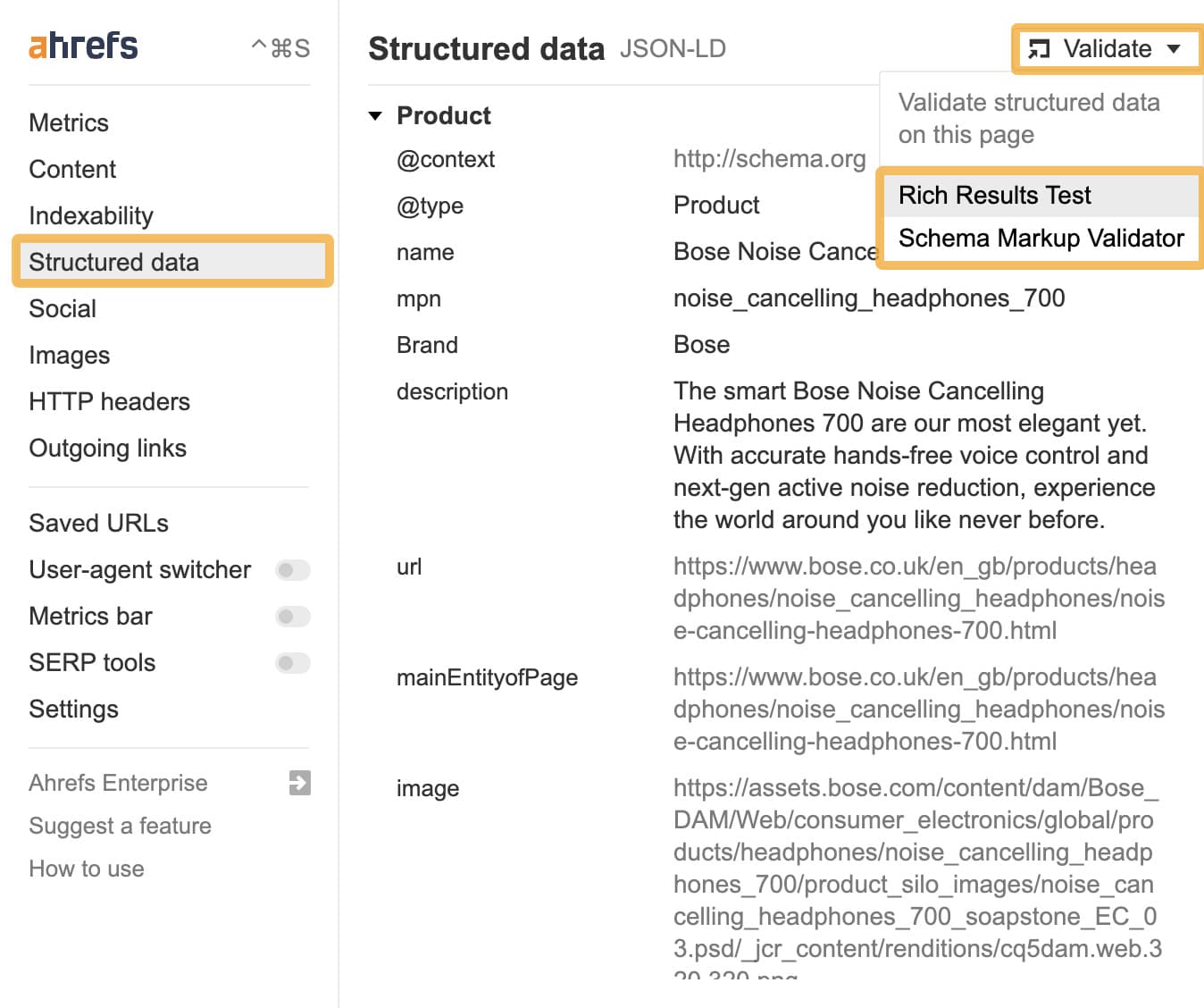
Agencies pitching schema as a direct AI-citation lever just took a hit. Ahrefs’ latest study says structured data still helps machines read a page, but adding JSON-LD by itself did not meaningfully improve citation rates in Google AI Overviews, Google AI Mode or ChatGPT.
The study started with a broad look at 6 million URLs, where AI-cited pages were almost three times more likely to use JSON-LD than pages that were not cited. That kind of gap is exactly the sort of statistic that has fueled the “add schema and win AI visibility” sales pitch. Ahrefs was careful not to stop there, because correlation is not causation. Better-run sites are more likely to use schema, but they are also more likely to have stronger content, better authority and more backlinks.
To isolate schema itself, Ahrefs tracked 1,885 web pages that added JSON-LD between August 2025 and March 2026 and compared them with 4,000 control pages. The result was blunt: adding schema produced no major uplift in citations on any of the three platforms tested. Google AI Overviews showed a 4.6% decline relative to controls, while the differences for AI Mode and ChatGPT were statistically indistinguishable from zero.
Ahrefs said the AI Overviews decline was statistically significant, with odds it estimated at roughly 1 in 2,500, but the effect was still small in absolute terms. The company said it worked out to about 12 fewer daily citations per page on average, in a sample where most pages were already getting hundreds of citations. That is not a collapse, and it is not proof that schema hurts performance. It is a warning against treating markup as a magic switch.
For agencies, the packaging shift is obvious. Schema belongs in the baseline, not as a premium promise of AI citations. The real investment still has to go into substantive content, entity clarity, technical accessibility, and formatting that makes passages easy to quote cleanly. Google Search Central backs that up, saying there are no additional requirements to appear in AI Overviews or AI Mode, no special optimizations necessary, and no special schema.org structured data that has to be added.
That leaves schema where it probably should have been all along: useful, but secondary. It can help explain a page to machines, yet it does not force the citation outcome many marketers have been selling. In the AI search era, the pages that get cited still look a lot like the pages that earned trust before the AI hype cycle started.
This article was produced by Prism’s automated news system from verified source data, official records, and press releases, then run through automated quality and moderation checks before publishing. The system is built and supervised by the people who set the standards it runs under. Read our full AI policy.
Did this article answer your question?