Brand building is now the new SEO edge in AI search
AI search is rewarding brands people already recognize. The smartest SEO move now is building the brand signals that make AI and humans choose you first.

Brand is no longer the thing you build after SEO. It is the SEO edge. That is the blunt force of YBYS, the shorthand for “Your brand = Your SEO,” and it lands because the search experience has stopped looking like a tidy list of blue links. Google AI Overviews, ChatGPT, Perplexity, Reddit threads, Slack and Teams conversations, LinkedIn posts, and YouTube videos all compete to shape what people believe and click. In that environment, a generic page with decent optimization is easier than ever to copy, but a brand with memory, trust, and repetition is much harder to commoditize.
Why brand now beats keyword gravity
The old playbook assumed you could win by matching the query better than everyone else. That still matters, but it is no longer the whole game. AI-driven answer systems are increasingly deciding which names feel safe, familiar, and worth surfacing, which means brand has become a search asset, not a side project. The point of YBYS is not that SEO is dead. It is that SEO now sits downstream from recognition, and recognition is built through consistent signals across channels, not just on-page tweaks.
The easiest way to see the difference is the contrast between Crayola and Monday Mandala. Crayola is a roughly $1 billion company that most people instantly connect with crayons. Monday Mandala is a niche coloring-pages site owned by retired school teacher Inez Stanaway. Both can attract traffic, but only one sits in the kind of branded memory that survives beyond a single query or a single SERP layout. That is the real shift: clicks are temporary, but memory compounds.
AI search is an answer ecosystem, not a search box
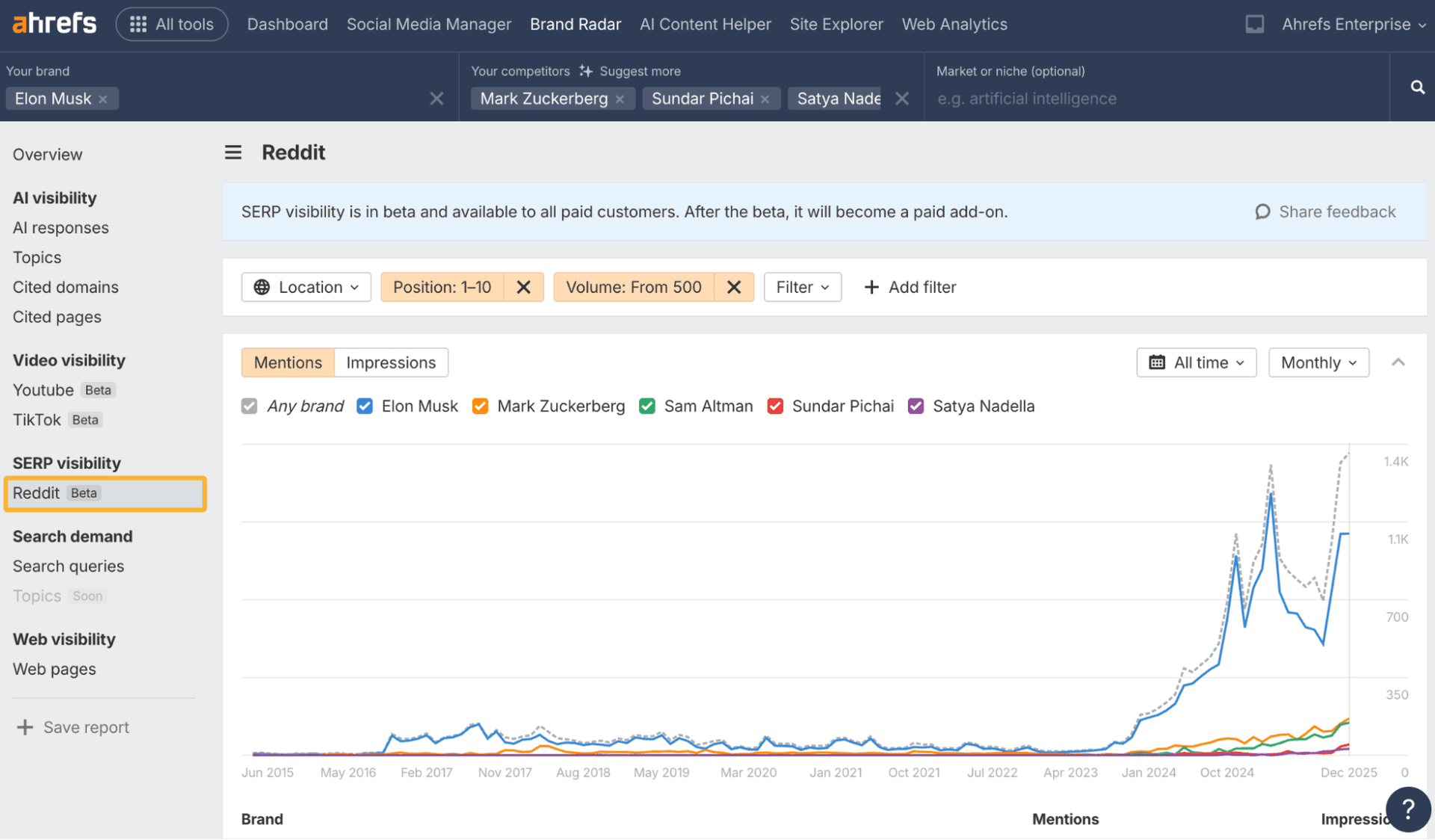
What makes this moment different is the fragmentation of discovery. People are no longer only scanning a results page and choosing from ten links. They are getting summarized answers, social proof, community recommendations, and creator opinions in the same session. A user might see an AI Overview, then check a Reddit thread, then ask in Slack, then watch a YouTube explainer, then finally land on a brand’s site. That means the brand has to show up as a coherent, repeatable identity across the entire path, or it gets lost in the handoff.
This is where generic SEO breaks down. If your only advantage is that your page is slightly more optimized than the next one, AI systems can flatten that advantage fast. If your brand already stands for something specific, the machine has a cleaner signal to work with, and the user has a reason to remember you after the answer is delivered. In practical terms, brand is now the thing that helps you win the “chosen” slot, not just the “indexed” slot.
Google’s Preferred Sources move proves the point
Google’s own direction makes the argument harder to ignore. Its Preferred Sources feature is coming into AI Overviews and AI Mode, and the company says people are twice as likely to click through to a Preferred Source. More than 345,000 unique sources have already been selected, and any website that publishes fresh content is eligible. Google is also adding labels and carousels to surface original reporting and helpful discussions in AI Search.
That matters because it shows the search experience is becoming more explicit about source familiarity and source preference. The system is not only ranking content by relevance. It is also helping users gravitate toward outlets they already trust or want to follow. If that does not sound like brand building, it is hard to know what does. The practical lesson is simple: if you want to be selected, you need more than a topic cluster. You need a name people already know, and a body of work that looks worth preferring.
What this means for SEO teams and agencies
This is the moment for SEO teams to stop acting like brand work is someone else’s department. YBYS gives agencies a sharper way to explain why the best SEO programs now include digital PR, thought leadership, reputation management, review strategy, and a consistent point of view across owned and earned channels. Search performance is increasingly tied to whether the market recognizes the brand before the query even happens.
The strongest agencies will build around a few non-negotiables:
- A brand narrative that is consistent across the homepage, content, bylines, social channels, and media coverage.
- Authority signals that go beyond backlinks, including expert commentary, original reporting, useful data, and visible subject-matter depth.
- Audience loyalty built through repeat exposure, so the name itself becomes part of the recall loop.
- Content differentiation that gives AI systems and humans a reason to choose this source over the next generic answer.
That is the strategy shift. SEO is still about visibility, but visibility now depends on whether the brand feels credible enough to be preferred. If the content can be mass-produced by anyone, it will be. If the brand creates a recognizably better judgment call, it becomes defensible.
Why CMOs are moving in the same direction
The broader marketing signal lines up with the search story. Gartner says CMOs are prioritizing brand awareness for 2026 as customer behavior changes under tools like ChatGPT and Google AI Overviews. That is not a vanity pivot. It is a response to the way discovery is changing in front of them. When people ask software to summarize the market, the winners are often the names that have already earned mental shelf space.
That is why the smartest brand work now looks like performance work with a longer fuse. It builds the conditions for branded search demand, stronger click-through in AI surfaces, and a higher chance of being included in recommendation-style outputs. The SEO team that understands this will spend less time chasing tricks and more time helping the company become the kind of brand AI systems and humans both remember.
The old rule was to rank for the query. The new rule is to become the brand people ask for after the answer appears.
This article was produced by Prism’s automated news system from verified source data, official records, and press releases, then run through automated quality and moderation checks before publishing. The system is built and supervised by the people who set the standards it runs under. Read our full AI policy.
Did this article answer your question?