Branded search can hide the real cost of data skepticism
Branded search can make a dashboard look healthy while agencies keep paying for doubt, rework, and weak client trust.

The hidden bill behind “good enough” reporting
The skepticism tax is what happens when performance data looks impressive on the surface but nobody in the room fully trusts it. Agencies end up reconciling spreadsheets, defending attribution choices, and second-guessing AI outputs instead of moving budgets, testing creative, and selling the next step. That does not just waste time. It quietly drains margin, because every hour spent proving the numbers is an hour not spent delivering growth.
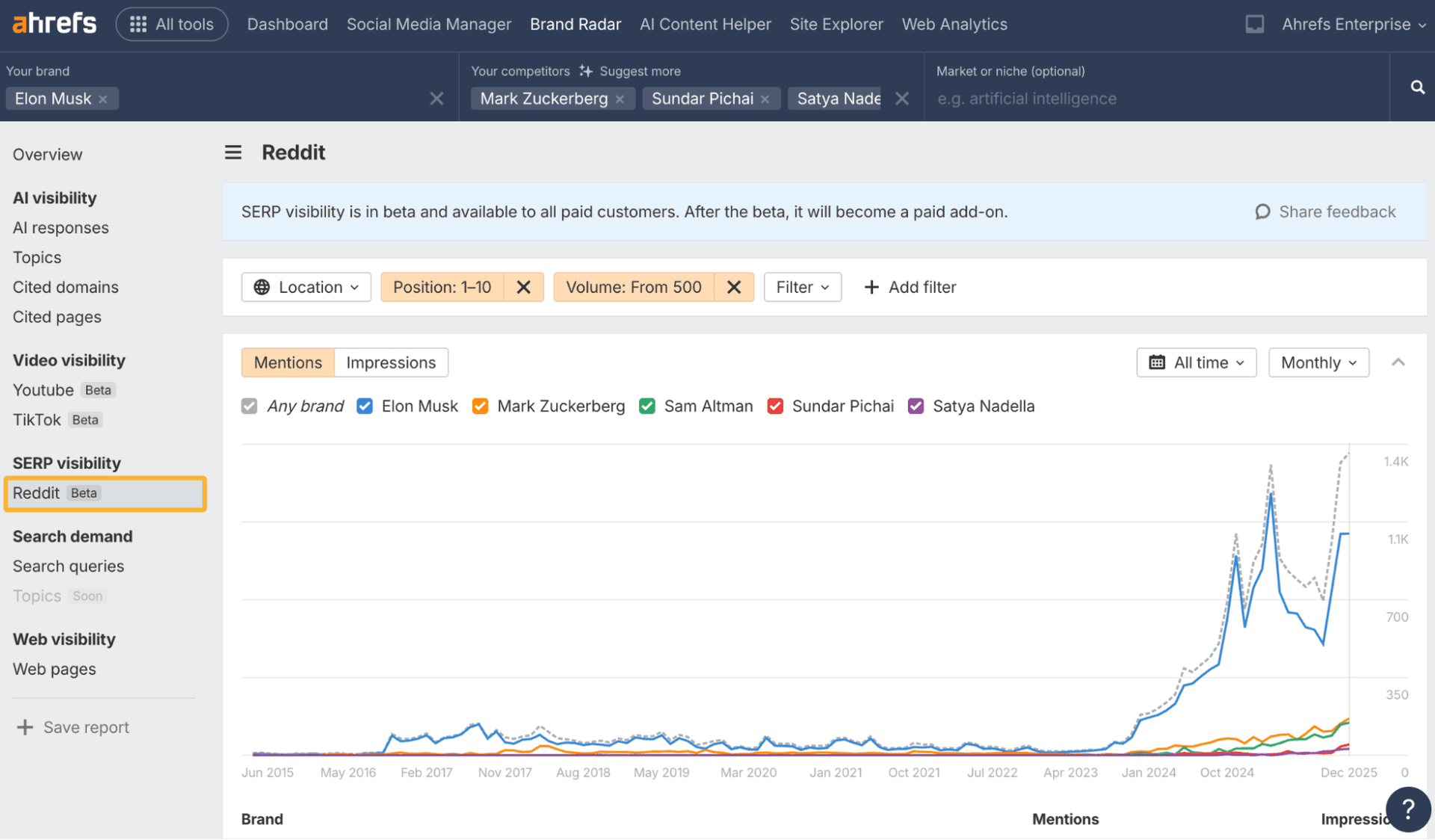
Branded search is where that problem gets sneaky. A spike in branded queries can look like proof that marketing is working, but without context it can flatter almost any channel and hide the actual shape of demand. If you treat branded search as a stand-alone win, you can mistake existing brand equity for new performance, and that is exactly how false confidence creeps into reporting.
Why branded search is a trap without measurement discipline
Branded search is not meaningless. Google has made it clear that search-related brand demand is a measurable awareness outcome, not just an SEO vanity metric. But that is precisely why agencies have to be careful. When a client sees branded search rising, the conversation can easily jump from “people know us” to “this campaign is driving revenue,” even if the underlying buyer journey is much messier.
Google Ads Help says conversion measurement shows data for campaigns, ad groups, ads, and keywords, including cross-device and cross-browser conversions. That matters because it gives teams a broader view of how activity contributes to business goals, rather than letting one isolated metric carry the entire story. The point is not that branded search is bad. The point is that it is only one signal, and a very slippery one if it is used to prove too much.
What Google’s measurement tools actually say
Google’s own language is helpful here because it draws sharper lines than many agency decks do. Google Ads Help defines Search Lift as measuring whether ads increase searches for a product or brand after users have viewed an ad. It also says Brand Lift measures effects on customer perception, including ad recall, brand awareness, and purchase intent. Those are different jobs, and agencies that blur them are inviting skepticism.
Think with Google’s Brand Lift fact sheet adds another useful layer: it describes measuring the increase in organic searches related to a brand on Google.com among exposed users versus a control group. That exposed-versus-control setup is the critical detail. It shows that branded search is being treated as an experimentally measured outcome, not a casual proxy that can be read any old way from a dashboard.
That distinction matters more now because Google Marketing Live 2025 introduced branded-search measurement language while also pushing AI-powered search and YouTube as discovery surfaces. In other words, Google has been telling advertisers that discovery is changing, but it is still insisting that the results need careful experimental measurement. AI may create more brand discovery, but it does not make the measurement problem disappear.
Why weak measurement design makes the problem worse
The hardest part of the skepticism tax is that bad measurement often masquerades as sophistication. A team can have modern dashboards, AI summaries, and clean-looking charts, yet still be arguing about whether the numbers mean anything. That is the real drag on execution. When the account team is busy proving the dashboard is credible, strategy slows down and the client starts to feel like every report needs a referee.
Google Ads Help also warns that poorly chosen search terms are a common reason Search Lift measurement fails. That is a small detail with big consequences. It means measurement breaks not only because the platform is imperfect, but because the setup is sloppy. If the search terms do not map cleanly to the business question, the output can produce more confusion, not less.
This is where AI can make things worse instead of better. If an AI-generated insight is built on weak definitions, fuzzy query grouping, or bad assumptions about attribution, it can amplify the uncertainty rather than settle it. Agencies that lean too hard on automated summaries without grounding them in commercial context end up paying the skepticism tax twice: once in analysis time and again in damaged trust.
How agencies can lower the skepticism tax
The fix is not more reporting for its own sake. It is clearer measurement architecture, simpler definitions, and a tighter link between metrics and business outcomes. The best agency reporting I have seen does not try to impress with volume. It tries to make the client feel that the numbers are consistent, explainable, and tied to decisions.
A practical approach usually looks like this:
- Separate branded demand from incremental discovery.
- Use Search Lift and Brand Lift for the questions they are built to answer.
- Keep conversion measurement tied to campaigns, ad groups, ads, and keywords, including cross-device and cross-browser reporting.
- Flag where branded search may be reflecting pre-existing demand, not just campaign impact.
- Set up search-term logic carefully so lift studies do not collapse under sloppy inputs.
That kind of discipline shortens the back-and-forth in client meetings. It also makes approvals easier, because the next recommendation is not being weighed against a cloud of unresolved measurement doubts. When the baseline trust is higher, creative tests and budget changes get signed off faster.
Why cleaner reporting improves margin and retention
This is where the editorial point really lands: skepticism tax is a margin problem, not just a data hygiene problem. Every reconciliation cycle, every “can you show me this another way,” every hour spent smoothing over inconsistent definitions eats billable time. Agencies lose money when their smartest people are stuck defending charts instead of improving performance.
Cleaner measurement pays off in retention too. Clients do not just want better numbers, they want numbers they can believe when they take them into a meeting with their own leadership. If your reporting makes them feel more secure, renewals get easier. If it helps them tell a cleaner story about what is driving growth, upsell conversations become more credible because the client already trusts your interpretation.
That is also why March 2026 mattered. Google Search Console expanded branded-query filtering to eligible sites, making it easier to separate branded from non-branded traffic in performance analysis. That is a practical upgrade for agencies because it gives them another way to test whether growth is coming from existing brand demand or from broader discoverability. It does not eliminate skepticism, but it gives teams a better way to answer the question that keeps coming up in every serious review: what is actually new here?
The real takeaway
Branded search can be a useful signal, but only when it is handled with the same rigor as any other performance metric. The more agencies let it stand in for certainty, the more they invite the skepticism tax to spread through reporting, attribution debates, and client conversations. The agencies that win are the ones that treat cleaner measurement as a commercial advantage, because trust in the data is what turns reporting from overhead into a growth tool.
This article was produced by Prism’s automated news system from verified source data, official records, and press releases, then run through automated quality and moderation checks before publishing. The system is built and supervised by the people who set the standards it runs under. Read our full AI policy.
Did this article answer your question?