Digital marketing and commerce converge as SEO, paid media, AI reshape buying
Search, paid media and AI are collapsing into one buying path, and agencies that tie them to revenue are winning the bigger retainers.
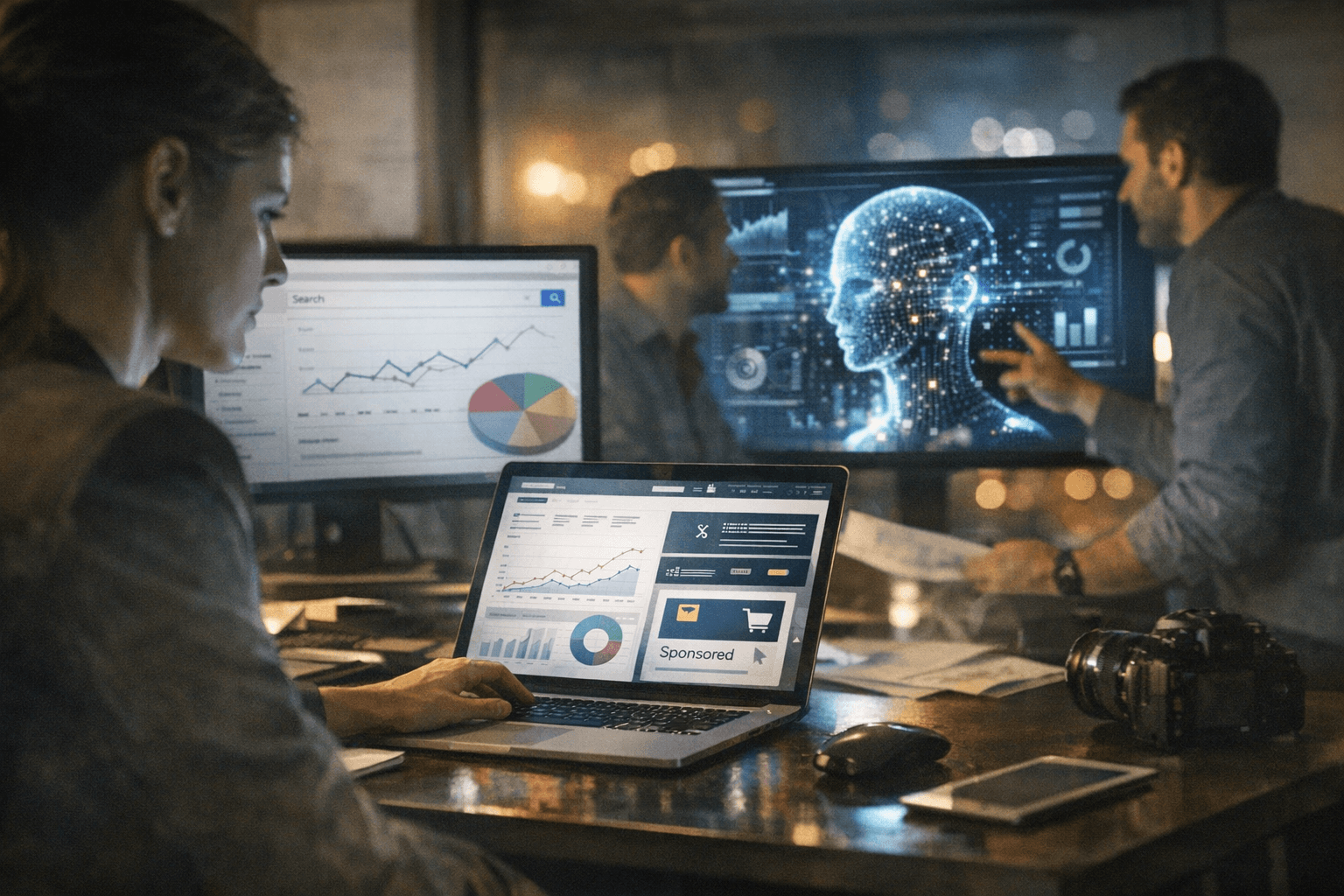
Search, paid media and AI are no longer separate lanes. They are merging into one buying system, and the agencies that understand that shift are the ones best positioned to move from traffic vendor to growth partner.
The new job is revenue, not just reach
Digital.Marketing’s report lands on a simple truth: customers do not experience SEO, paid media, CRO, and commerce as separate disciplines. They move through discovery, comparison, and purchase in one continuous path, and the agency value now sits in how well those steps are connected. If your pitch still stops at rankings or clicks, you are selling an old model.
That is why the report’s framing matters. The winning agencies are the ones that can coordinate organic visibility, paid acquisition, and personalized experiences into a single story about revenue. That means cleaner attribution, stronger reporting, and a tighter view of how a campaign affects the entire buying journey, not just the first touch.
Commerce growth is forcing the issue
The pressure is not abstract. The U.S. Census Bureau said U.S. retail e-commerce sales in Q4 2025 reached $316.1 billion, up 5.3% from Q4 2024. E-commerce made up 16.6% of total U.S. retail sales in that quarter, while total retail sales were estimated at $1.9005 trillion.
Those numbers explain why clients care less about siloed channel metrics and more about outcome-based planning. When nearly a sixth of retail sales are happening online, search, media, and conversion work cannot be managed as separate specialty services. Agencies are being pushed to show how every dollar spent helps move shoppers from discovery to checkout with fewer friction points.
SEO still matters, but the rules are different
Google Search Central has been blunt about where search is headed. Its guidance says AI features such as AI Overviews and AI Mode can help users find websites, and it also says SEO best practices still matter in those experiences. In other words, search visibility has not become optional just because AI is sitting between the query and the click.
At the same time, Google is warning against the lazy version of AI content. Mass-producing pages with generative AI and no added value may run into spam policy problems. That is the key pitfall for agencies chasing scale the wrong way: volume is not a strategy if the output does nothing better than the next page on the web. The practical answer is still the boring one, useful content, technical hygiene, and real expertise, only now it has to work inside AI-shaped search experiences too.
Marketers are already changing how they work
HubSpot’s 2026 State of Marketing makes the shift hard to ignore. It says 40.6% of marketers are updating their SEO strategy for AI-powered search engines, and its broader message is that the channels still matter, but the approach has changed. The emphasis is moving toward personalized, channel-specific content and AI search optimization.
That is exactly where service convergence starts to matter. SEO can no longer live in a content vacuum while paid media runs its own keyword lists and landing pages. The smarter setup is coordinated: organic search informs demand capture, paid media fills gaps and tests offers, and personalization adjusts the experience once the visitor lands. When those pieces talk to each other, the agency starts looking like a revenue operator instead of a set of disconnected specialists.
What agencies need to add now
If you want to grow in this market, the capability stack has to widen. The report’s argument points to a few non-negotiables:
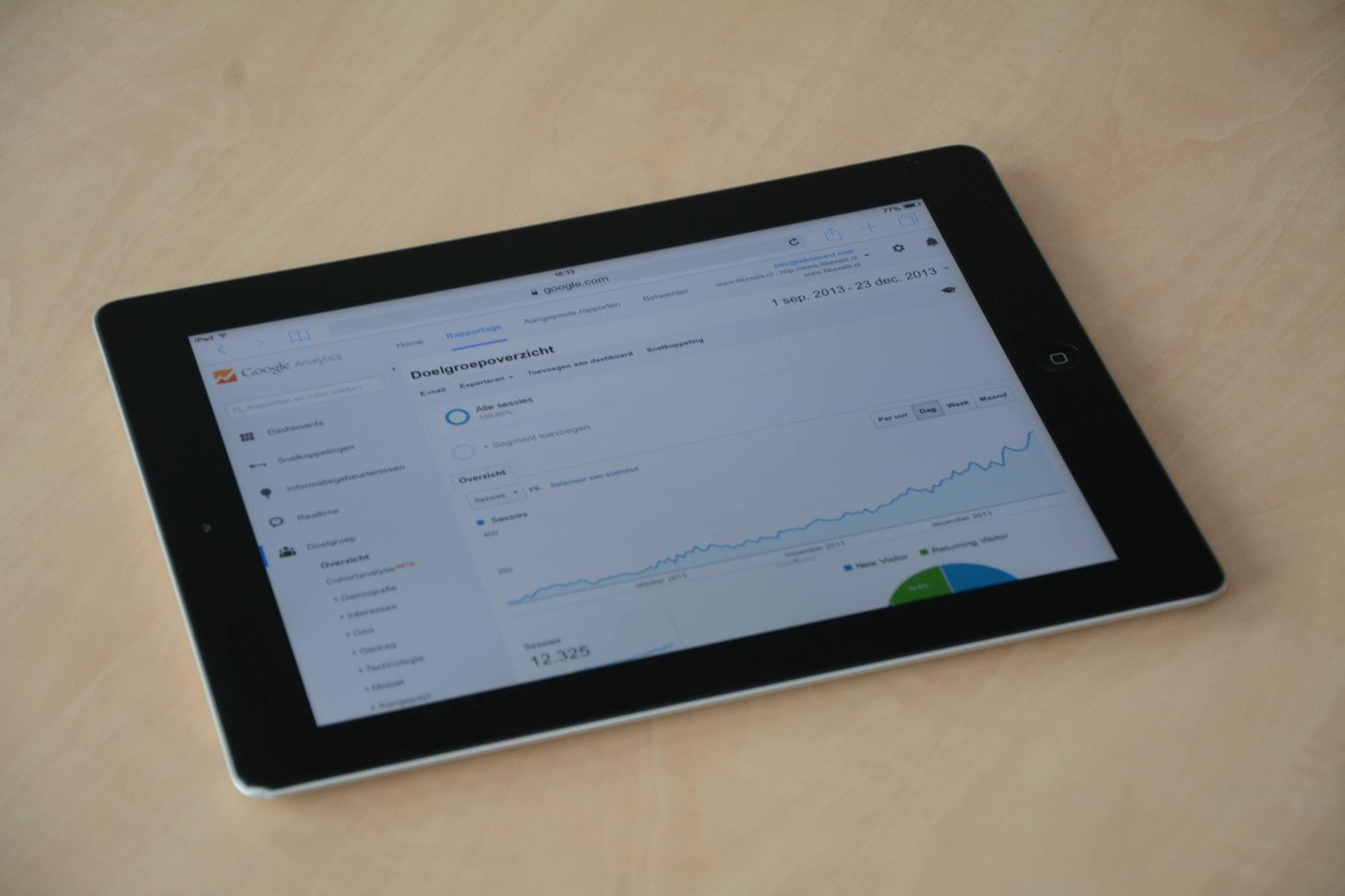
- Stronger reporting, so clients can see revenue impact instead of isolated channel wins.
- Cleaner attribution, because discovery now happens across search, ads, and personalized experiences, not in one neat path.
- Channel orchestration, where SEO and paid media are planned together instead of competing for the same query space.
- Personalization discipline, because AI-driven experiences are shaping what shoppers see after the click.
- Commerce fluency, because the agency has to understand how acquisition work connects to product discovery and conversion.
None of that is glamorous, but that is the job. The agencies that win bigger retainers are the ones that can explain not just what drove traffic, but what drove revenue, what increased conversion, and where the buying path broke down.
The AI spend story is bigger than search alone
The broader media market is moving in the same direction. The Interactive Advertising Bureau’s 2026 Outlook Study, based on insights from more than 200 brands and agency buyers, forecasts 9.5% year-over-year growth in U.S. ad spend. It also says buyers are shifting toward performance-led strategies and agentic AI.
That matters because it shows where budget conversations are heading. Performance is still the language of growth, but AI is now part of the planning process, the execution layer, and the optimization loop. Agencies that can use AI without pretending it replaces judgment will have an edge. Agencies that treat AI as a shortcut to more output will mostly create more noise.
Adobe’s 2026 AI and Digital Trends research reinforces that warning. It surveyed 3,000 executives and practitioners in customer experience roles and found that many organizations still lack the data foundations and internal alignment needed to deploy AI across the enterprise. That gap is exactly where agencies can be useful, but only if they can connect analytics, experience design, and media performance into one coherent operating model.
The real competitive advantage is coordination
This is where the market is heading: SEO, paid media, CRO, personalization, and commerce are becoming one service conversation. Clients do not want separate channel reports that fight each other. They want a system that moves people through the funnel and proves it with numbers they can trust.
For agencies, that means the growth play is not just adding services for the sake of a broader menu. It is building the connective tissue between those services, the attribution, the reporting, the testing discipline, and the AI-aware content strategy that make the whole thing commercially believable. The shops that get that right will own more of the buying journey, and with it, a much larger share of the budget.
This article was produced by Prism’s automated news system from verified source data, official records, and press releases, then run through automated quality and moderation checks before publishing. The system is built and supervised by the people who set the standards it runs under. Read our full AI policy.
Did this article answer your question?