Google Ads search query reports may show approximations, not exact terms
Google Ads search query reporting is drifting from exact phrasing toward approximated intent, and that changes how agencies read performance, defend spend, and write briefs.
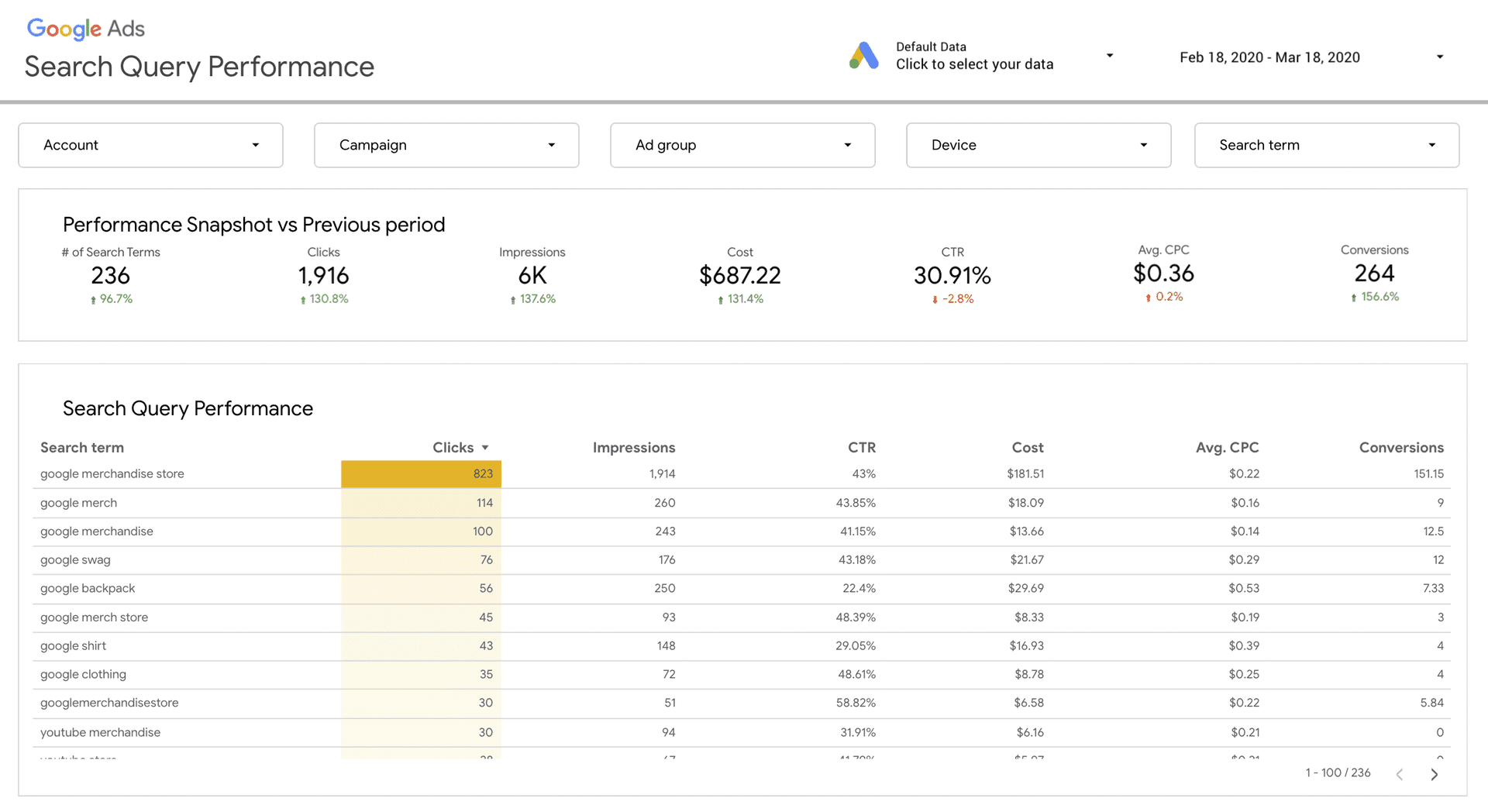
The most important blind spot in Google Ads is no longer just what users searched. It is how closely the platform chooses to show it back. Google clarified that Search Query Reports may surface the closest approximation of a query instead of the exact words typed, a quiet but significant shift for anyone who has treated query reports like a literal transcript of search behavior.
That matters because the Search terms report has long been a daily workhorse for paid search teams. Google Ads Help still says it shows how ads performed when triggered by actual searches within the Search Network, but the same help pages now separate that from search terms insights, which group queries into themes and subthemes. Google also says some low-volume queries are omitted from the report for privacy, and low-volume terms can be rolled up as “other queries” without exposing the exact wording. The reporting surface is still useful, but it is no longer the clean window into user phrasing that many account teams built their workflows around.

The change fits a bigger shift inside Google Ads toward intent modeling rather than rigid keyword matching. Google’s keyword matching guidance says broad match can include searches that do not contain the direct meaning of a keyword. Google also says broad match is the default match type for all keywords, and that Smart Bidding trains its artificial intelligence models on hundreds of billions of search queries and combinations of signals at auction time. In practice, that means the system is already making more decisions from inferred intent than from exact wording.
For agencies, the operational hit lands in analysis and client reporting. Query reviews become less about line-by-line cleanup and more about clustering terms into intent buckets, spotting patterns, and deciding which themes deserve budget. It also makes negative keyword management more important, because Google’s help pages still direct advertisers to add irrelevant terms as negative keywords. If the query text is fuzzier, the downstream conversion data has to do more of the proving.
That is why the newer tools and controls matter. Google has pushed AI Max for Search campaigns as a way to use broad match and keywordless technology to find more relevant and high-performing search queries, and later said AI Max became its fastest-growing AI-powered Search ads product. Google also said more than 5 trillion searches happen on Google annually, a reminder that even small shifts in reporting philosophy affect a huge auction system. Brand controls and negative keywords remain the levers that let advertisers steer it. The agencies that win in this setup will be the ones that stop treating query reports as scripture and start treating them as signals.
This article was produced by Prism’s automated news system from verified source data, official records, and press releases, then run through automated quality and moderation checks before publishing. The system is built and supervised by the people who set the standards it runs under. Read our full AI policy.
Did this article answer your question?