Google Ads surfaces Tag Manager controls inside its interface
Google Ads began surfacing a Manage option in Data Manager that opens Tag Manager controls in-place, cutting handoffs for agencies and tightening measurement QA.
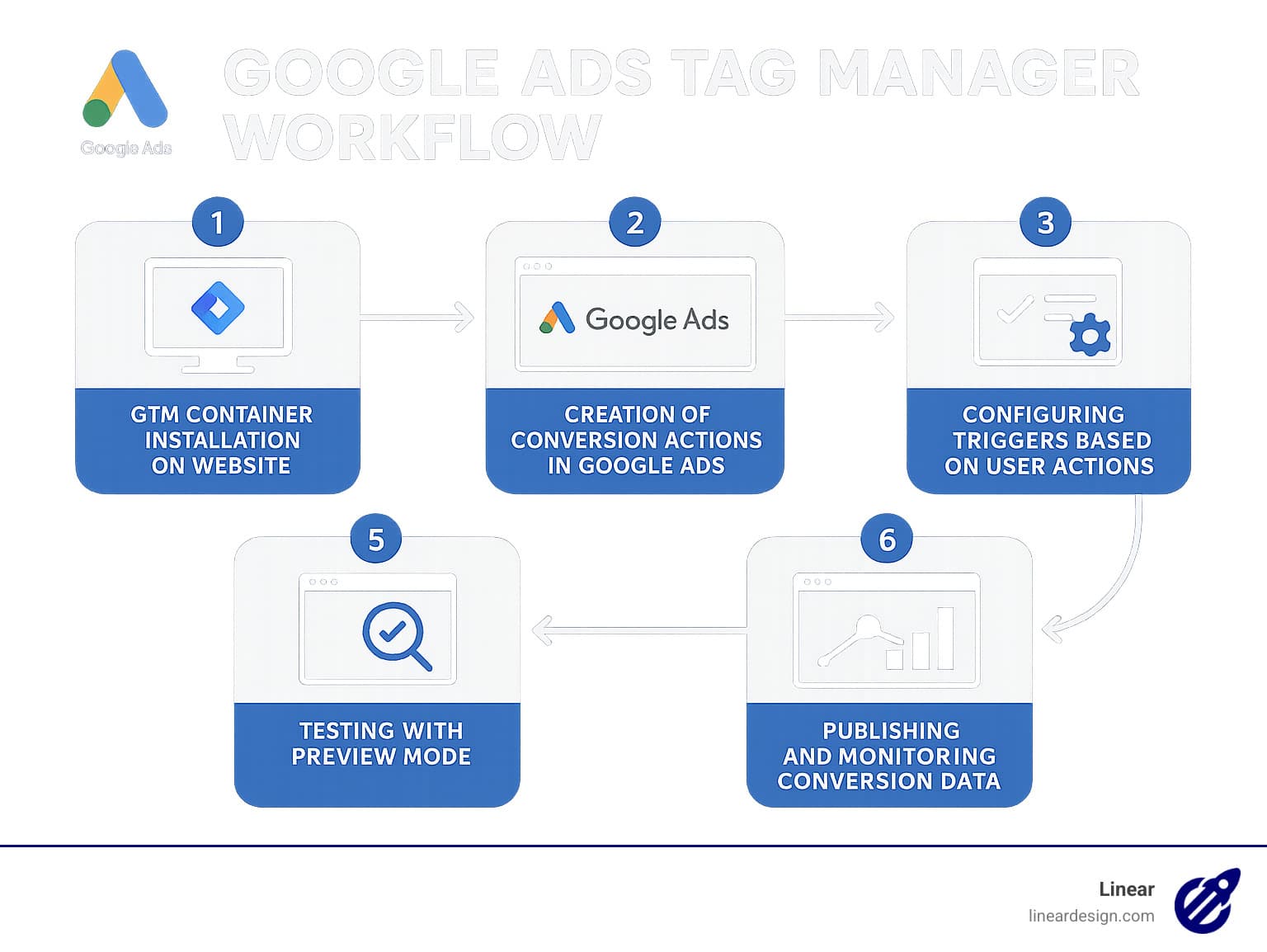
Google Ads is starting to pull Tag Manager work closer to the campaign desk, with a new Manage option inside Data Manager that opens Tag Manager controls without forcing advertisers out of the platform. For agencies juggling multiple client accounts, the shift matters less as a visual tweak and more as an operations change: fewer context switches, faster setup cycles, and less room for mistakes when tracking has to be fixed quickly.
The change was first spotted by Marthijn Hoiting and Adriaan Dekker, who shared screenshots showing Tag Manager elements embedded inside the Google Ads environment. That lines up with Google’s broader push to make conversion setup easier and more centralized. Google’s help documentation says the Google tag simplifies tag management and improves data accuracy, and it also says advertisers who use Google Tag Manager for conversion tags still need to implement the Google tag in GTM for all ads products.

For agencies, the practical value is in the handoff reduction. Data Manager messaging says the product is built to help developers, agencies, and advertisers create more custom and automated connections with Google Ads, and Google has framed the effort as a way to simplify first-party data connections while cutting duplicated manual work across teams. That matters in account management, where setup delays and troubleshooting often eat into the time that should be spent on bid strategy, creative testing, and reporting.
The tighter integration also changes how teams should think about QA and access. Google’s Tag Manager help says the Google tag can be set up in Google Ads, and that Google tag settings can be managed across Google Ads, Google Analytics, and Campaign Manager 360. Google also ties tag access to Google Ads access levels or Google Analytics roles when a tag has a single destination, and it advises keeping at least two active administrator accounts for Tag Manager to reduce lockout risk. In other words, the interface may be getting simpler, but governance still matters.
The timing fits a larger pattern. Google Tag Manager release notes dated February 4, 2026 said Google Ads would automatically collect a broader range of event data from websites with less manual configuration. Google has also said data transmission controls live in the Google tag settings UI across Google Ads, Google Analytics, and Campaign Manager 360, and that those controls are UI-only rather than available through gtag or API. In April 2026, Google said GTM containers with Google Ads and Floodlight tags would automatically load a Google tag before firing events, with Enhanced Conversions and cross-domain tracking available from Google tag settings.
Consent mode adds another layer to the operational stakes. Google says it dynamically adapts Ads, Analytics, and third-party tags based on users’ consent choices, which means any interface change around tag management can affect both measurement quality and privacy workflows. For agencies, the signal is clear: faster deployment is the upside, but tighter internal review, documentation, and permission management will decide whether the new workflow actually saves time.
This article was produced by Prism’s automated news system from verified source data, official records, and press releases, then run through automated quality and moderation checks before publishing. The system is built and supervised by the people who set the standards it runs under. Read our full AI policy.
Did this article answer your question?