Google AI Overviews shift discovery away from websites, agencies adapt
AI Overviews are moving discovery upstream, so agencies must audit visibility, not just rankings, and sell for demand, authority, and owned audiences.
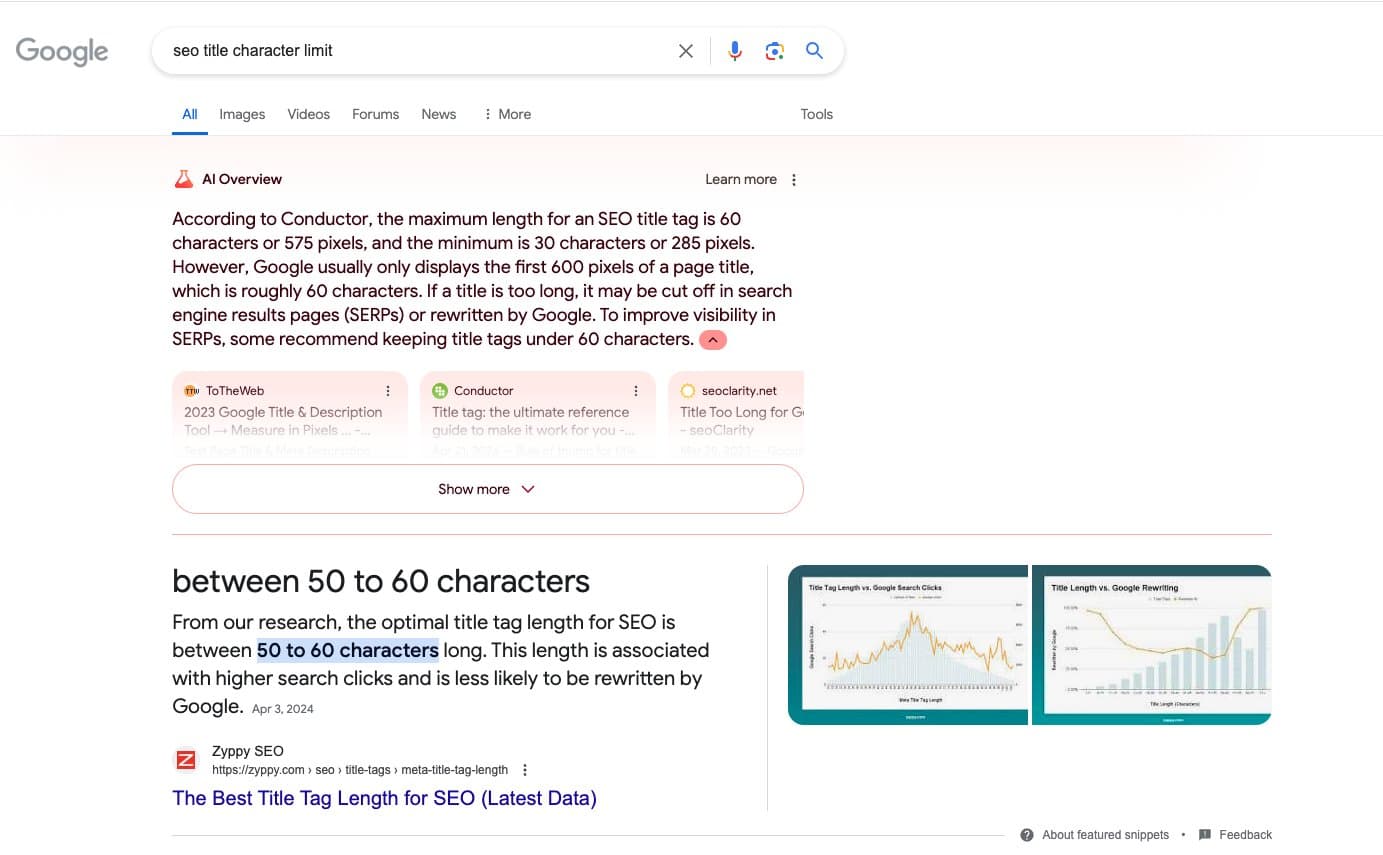
Google's search results are answering more of the question before the click ever happens, and that is forcing agencies to rethink what a win looks like. Cyrus Shepard's three-layer view of page evaluation makes the point brutally clear: if discovery and consideration are happening inside Google's own surfaces, a strategy built only around traffic is already late.
The old dashboard is lying to you
The easiest mistake now is to keep reporting rankings like nothing changed. Shepard has been blunt that AI Overviews have moved discovery and consideration away from websites, which means a page can "perform" in the old sense and still lose the business outcome that matters. If your client only hears about blue-link positions, you're measuring the part of the journey that Google is shrinking.
That is why CTR-focused optimization can backfire. A headline built to win the click may do less for the brand if the searcher gets what they need from the AI summary first, and the page never becomes part of the decision. Agencies that keep squeezing for clicks without asking whether the searcher actually needs the site are optimizing the wrong layer of value.
What Shepard's framework changes
Shepard's 2026 analysis of more than 400 winning and losing websites points agencies toward a harder, more useful question: what does this site own that nobody else can copy? His read of the landscape favors products or services, proprietary assets, and clear differentiation, which is a direct warning against commodity content plans that look busy but add no edge. If a site is just another generic answer machine, AI can summarize it, compress it, and move on.
That is the practical meaning of the three-layer evaluation idea. The page itself still matters, but so do the broader signals around it, especially whether the brand has enough distinct value for Google to trust, surface, and keep reusing. In agency terms, that means shifting audits away from "how many pages can we publish?" and toward "what unique proof, data, expertise, or offer do we actually own?"
What to stop measuring
Agencies need to stop treating rankings, visits, and CTR as the whole scoreboard. Those metrics still have a place, but they no longer tell you whether the brand is being discovered inside AI-led search experiences or whether the searcher is being satisfied before the visit happens. Pew Research found in March 2025 that users were less likely to click result links when an AI summary appeared, and they rarely clicked the cited sources.
The broader traffic picture reinforces the same problem. SparkToro reported that 68.01% of U.S. Google searches in the first four months of 2026 ended without a click, up from 60.45% in 2024. If your monthly report still opens with organic sessions and average position, it is describing a distribution channel that no longer defines discovery on its own.
What to track instead
The replacement scoreboard has to include signals that show whether the brand is visible when the click disappears. That means watching how often a client shows up in AI answers, how much branded demand grows after exposure, and whether owned channels capture the people who never land on the site through classic organic search. It also means treating Google Search Console as more than a ranking inbox now that it is rolling out new controls and impressions reporting for generative AI Search features in June 2026.
A useful agency reporting stack now looks more like this:
- Visibility in AI Overviews and AI Mode, not just standard results
- Branded search growth and direct demand
- Impressions and clicks inside Search Console's generative AI reporting
- Assisted conversions from email, newsletter, community, and return visits
- Content assets that are cited, summarized, or reused, even when they do not earn the final click
That is a different conversation with a client. You are no longer proving that search sent people to the website. You are proving that search is still shaping demand, memory, and consideration even when the website is not the first stop.
Google is telling agencies how serious this is
Google's own documentation now says its generative AI features are rooted in core Search ranking and quality systems, which is a reminder that this is not a side project or a temporary experiment. The company has also published a guide for website owners on how AI features work in Search and how to approach inclusion, which effectively gives agencies a new operating manual for the same ecosystem. The message is simple: SEO best practices still matter, but they are now feeding a different kind of result.
The patent chatter has made the stakes feel even higher. Google has a patent titled "AI-generated content page tailored to a specific user," and the description covers calculating a landing page score and generating an AI page or AI-linked search experience when a threshold is exceeded. That does not mean every search will become a synthetic landing page, but it does mean agencies should plan for a future where Google mediates more of the landing-page experience itself.
Regulation is becoming part of the operating model
This is no longer just a search marketing issue. In the United Kingdom, the Competition and Markets Authority has pushed Google to give publishers more control over how their content appears in AI search features, which shows how disruptive these summaries have become for the publishing layer as well as for SEO. When regulators start forcing choice into the interface, you know the interface itself has become part of the market problem.
For agencies, that matters because client service is about to split into two jobs. One is classic search visibility, the other is governance of how a brand shows up when Google answers first. The firms that adapt fastest will not be the ones with the best rank tracker, but the ones that can translate search behavior into business strategy.
The retainer has to be rebuilt around value, not volume
The cleanest way to reposition a retainer is to stop selling output and start selling resilience. That means building around proprietary content, product truth, expert proof, and assets that AI summaries cannot flatten into something generic. It also means helping clients invest in owned audience channels, because if discovery is drifting away from the website, the business still needs somewhere to catch and keep attention.
Shepard's work is useful because it does not ask agencies to abandon SEO. It asks them to stop pretending that rankings are the same thing as relevance. The agencies that survive this reset will be the ones that audit for visibility, report on influence, and sell for outcomes that still matter when the click is no longer the center of the story.
This article was produced by Prism’s automated news system from verified source data, official records, and press releases, then run through automated quality and moderation checks before publishing. The system is built and supervised by the people who set the standards it runs under. Read our full AI policy.
Did this article answer your question?