Google warns site owners to question third-party SEO tools and advice
Google told site owners to question third-party SEO claims, saying outside tools lack internal ranking data and Search Console is the safer baseline.
Google just drew a bright line around SEO advice, and it runs straight through the vendors agencies use to sell and measure search work. Its new Search Central guidance told site owners to evaluate outside advice against official Google guidelines, think critically about third-party tools and services, and stay wary of any product that claims Google approval.
The new help document, published June 7, said third-party tools do not have access to Google’s internal ranking data and cannot guarantee performance. Google also said it does not evaluate or endorse those tools, then pushed Search Console as the reference point because it provides key information and data directly from Google Search itself. The company backed that message by updating its older “Do you need an SEO?” help document the same day, saying it wanted to highlight important considerations when evaluating third-party SEO tools and advice, simplify sections, and remove outdated examples.

For agencies, the subtext is hard to miss. Google is not just setting a baseline for site owners, it is trying to define the terms of the entire conversation around SEO, AI search optimization, and the tools that promise to decode both. That matters because the guidance explicitly reaches into the services agencies sell every day, including sitemap generation, indexing directives, SEO-optimized content creation, recommendations for improving rankings on existing content, and tools that promise gains in AI search experiences.
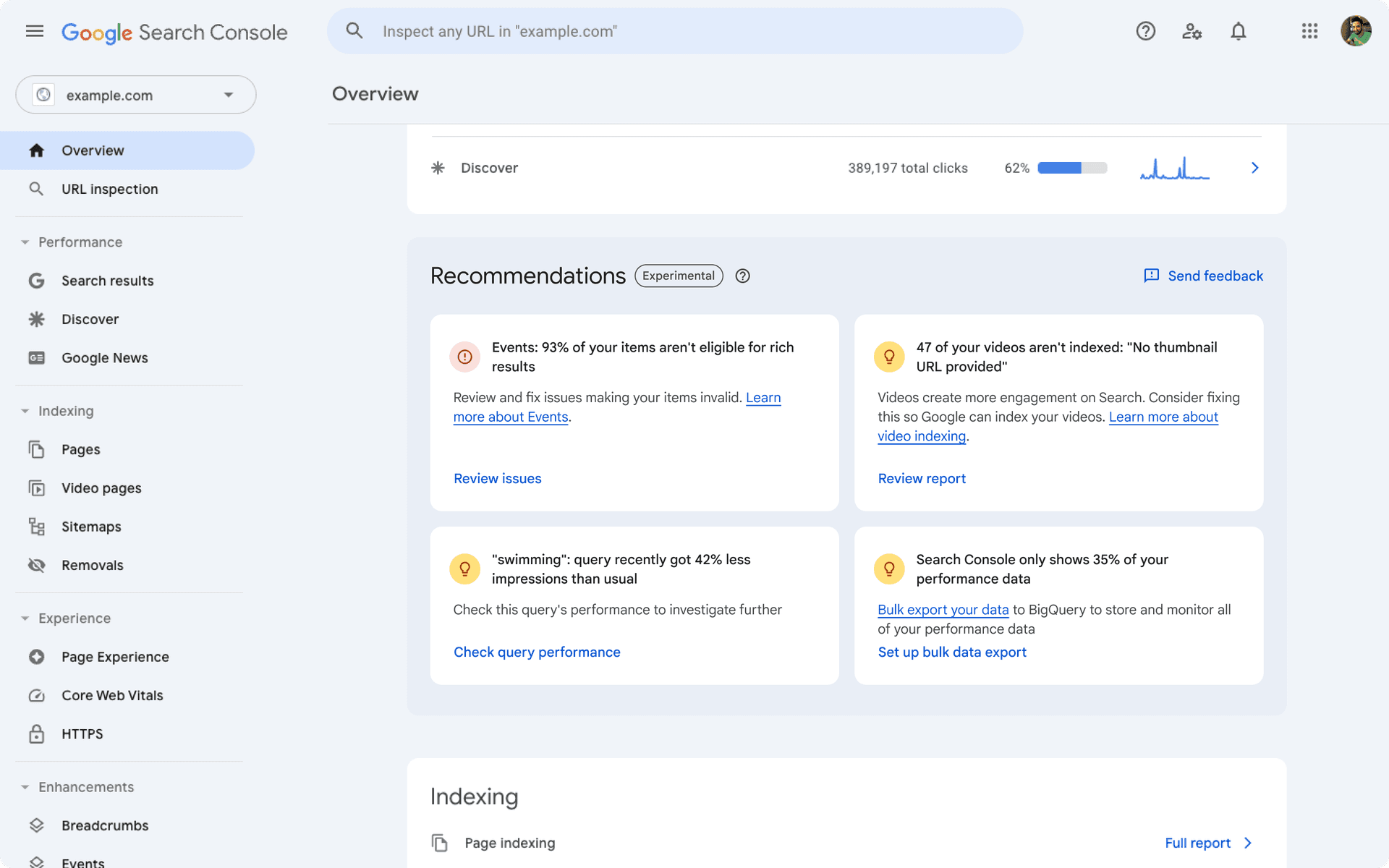
Google’s generative AI optimization guide sharpened that point further. It said SEO best practices still apply because Google’s AI search features are built on its core Search ranking and quality systems, and it treated AEO, meaning answer engine optimization, and GEO, meaning generative engine optimization, as labels for work focused on visibility in AI search experiences. It also directed readers considering third-party AEO or GEO services back to Google’s guidance on evaluating outside SEO advice.

That leaves agencies with a more demanding sales job. It is no longer enough to promise a proprietary shortcut or a tool stack that supposedly sees inside Google’s black box. The firms that win will be the ones that can show their recommendations line up with Google’s own documentation, explain how they validate claims independently, and prove that their process is more than a polished narrative built around the platform’s preferred version of reality.
This article was produced by Prism’s automated news system from verified source data, official records, and press releases, then run through automated quality and moderation checks before publishing. The system is built and supervised by the people who set the standards it runs under. Read our full AI policy.
Did this article answer your question?