Heather Holmes says earned authority now drives AI brand discovery
Heather Holmes says AI search is rewarding earned authority, not just visibility, as her new book argues brands need citations to surface in ChatGPT and Gemini.
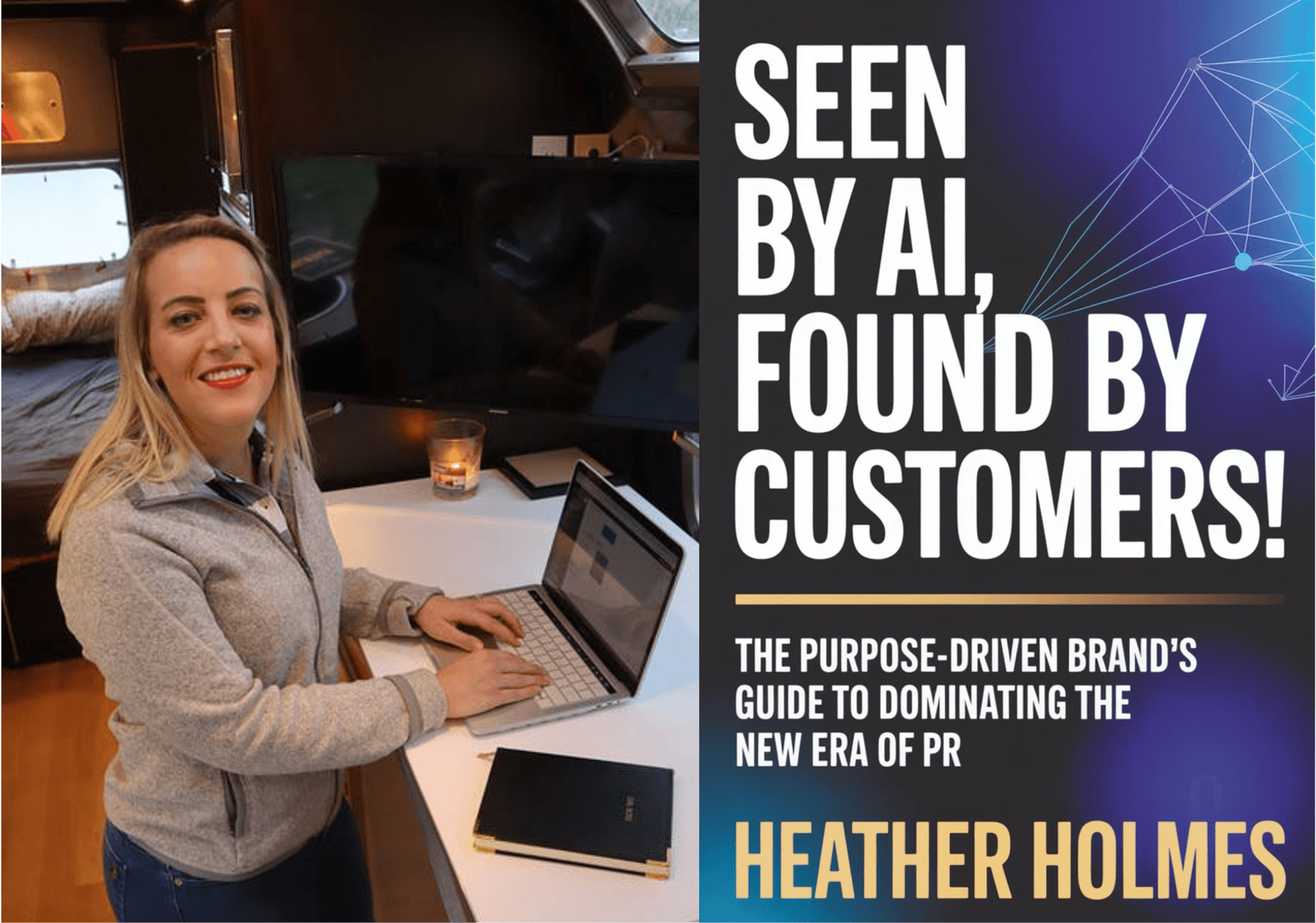
Heather Holmes used the June 3 launch of Seen by AI, Found by Customers to make a blunt case: in an AI-first search world, earned authority has become the thing that gets brands discovered. The founder and CEO of Publicity For Good introduced the book as available on Amazon, and framed it around a shift she says is already changing how consumers move through ChatGPT, Gemini and Perplexity, while traditional Google engagement declines.
Holmes argues that visibility alone no longer cuts it. Brands need authority if they want to be surfaced and trusted by systems that increasingly act as the middleman between a question and an answer. In her telling, the market is facing a citation crisis, because 89% to 95% of AI citations come from earned media, journalism, podcasts and other third-party validation rather than paid ads or keyword targeting. That is a sharp turn away from traffic as the main scorecard and toward source-of-truth status.

The pitch is also a sales argument for Publicity For Good itself. Holmes said the agency started in 2016 from a 23-foot Airstream trailer and grew into a Nashville-headquartered, remote-first firm serving 400-plus clients worldwide with a team of 60-plus professionals across seven countries. Clutch’s profile puts the client count at 500-plus and the team at more than 70, but both versions point to the same message: authority-building is no longer a side service, it is the product.
That framing lines up with the agency’s focus on AEO and GEO for purpose-driven brands. The book copy says clients can go from zero AI visibility to 15-plus citations in 90 days, with traffic increases of 240% plus and three times more qualified leads. Amazon’s author page gives Holmes 700-plus personal media features and 12,000-plus client placements, credentials meant to reinforce the argument that media coverage is not just a vanity metric, but a discovery engine.
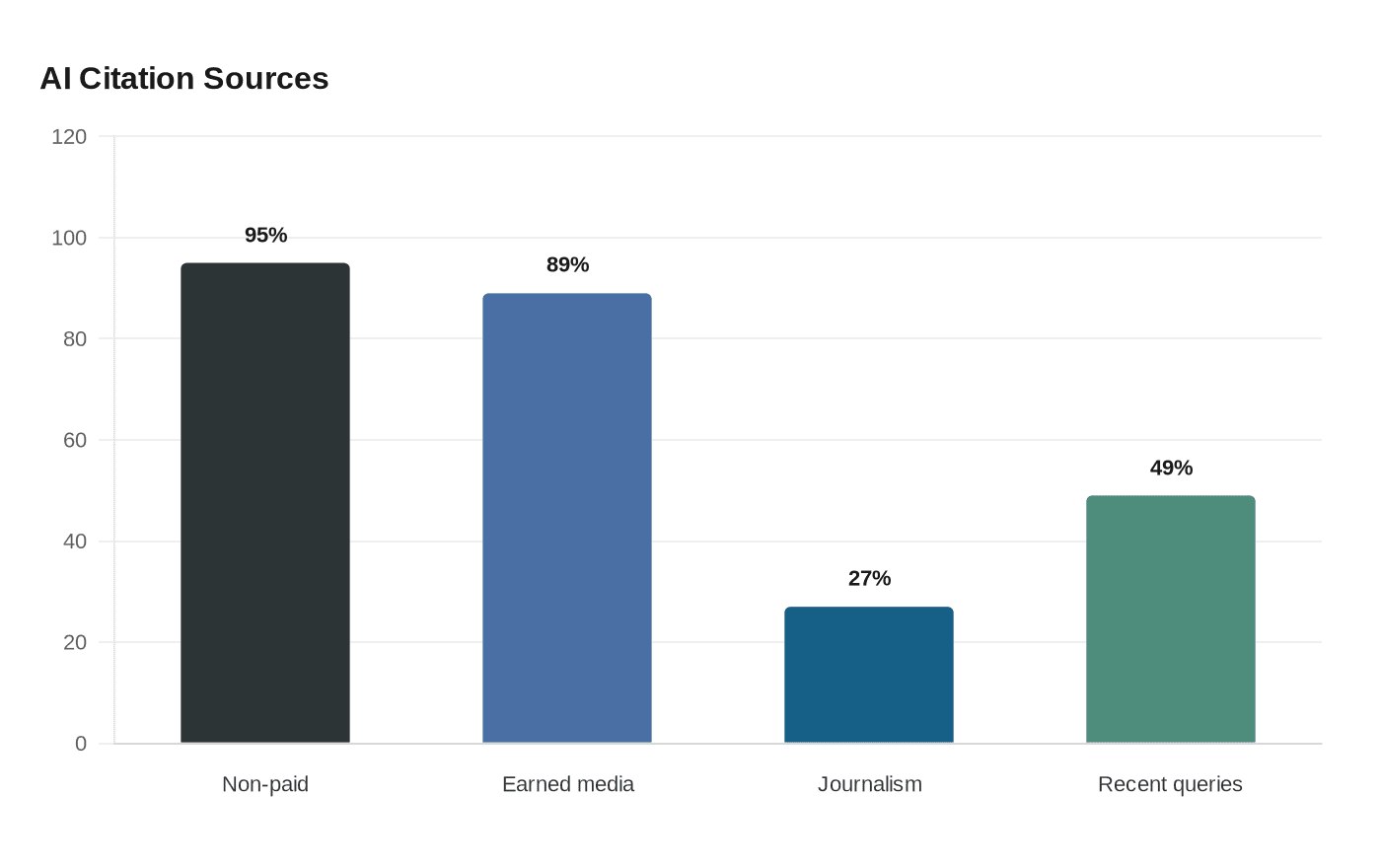
There is outside evidence for that thesis. Muck Rack’s July 2025 analysis of more than one million AI-cited links found 95% came from non-paid sources and 89% from earned media. It also found 27% of citations came from journalistic content, and 49% of citations for recent queries originated in journalism. For SEO agencies expanding into digital PR and brand authority, that makes the Holmes playbook look less like a novelty than a strategic reordering of old disciplines into one AI-era growth motion.
This article was produced by Prism’s automated news system from verified source data, official records, and press releases, then run through automated quality and moderation checks before publishing. The system is built and supervised by the people who set the standards it runs under. Read our full AI policy.
Know something we missed? Have a correction or additional information?
Submit a Tip