How SEO agencies build the operating model for $10 million growth
The jump to $10 million comes from productized delivery, standard QA, and revenue-linked reporting, not more audits.
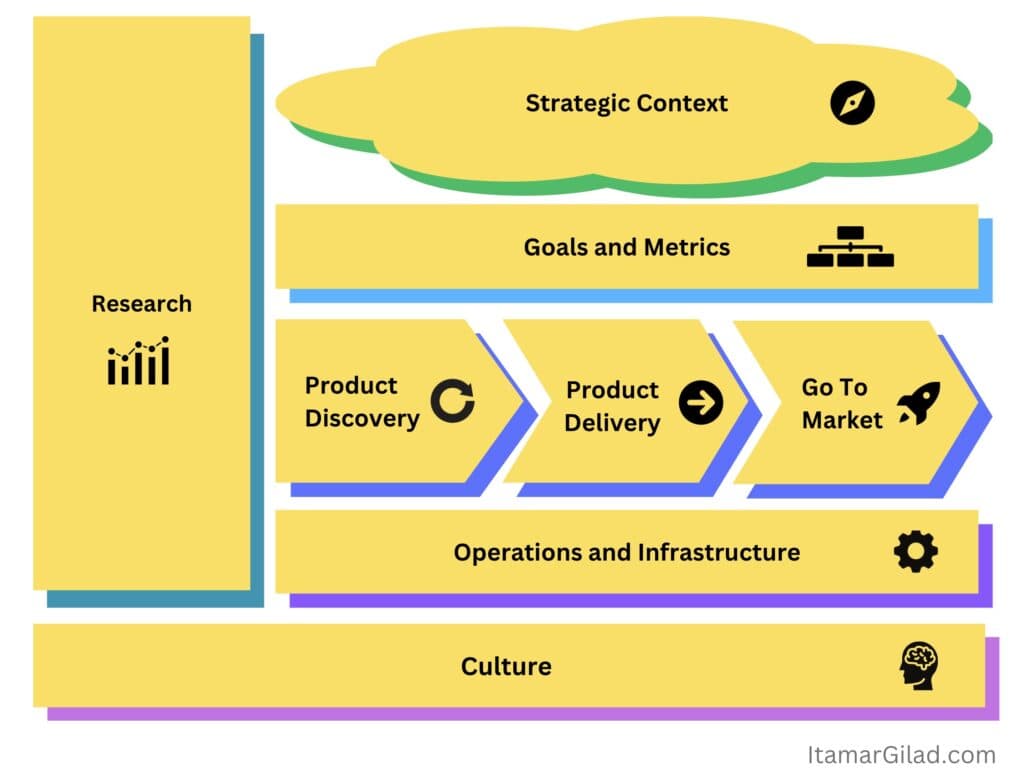
At $10 million in revenue, an SEO agency does not scale by selling more audits. It scales when retainers, technical programs, content operations, migrations, international SEO, and performance reporting become a delivery system that can hold margin and survive churn. Labor-heavy implementation caps growth, while higher-value advisory work demands clearer positioning, stronger proof, and a senior team that can own outcomes, not just tasks.
The revenue mix changes long before the P&L looks big
At $1 million, the business often still behaves like a freelancer collective. The founder sells, scopes, and reviews work, and the offer is usually a mix of one-off audits, a few retainer clients, and custom requests that vary by account. By $3 million, the agency starts to feel the pressure to standardize delivery, because the same ad hoc model now creates bottlenecks in QA, account management, and sales follow-through. By $10 million, the mix usually needs multiple layers of income, including recurring SEO retainers, strategic consulting, CRO, content operations, migration support, international SEO, and reporting that ties work to pipeline and revenue.
| Scale | Typical revenue mix | Delivery model | Main constraint |
|---|---|---|---|
| $1 million | Founder-led retainers, audits, implementation work | Loose process, high customization | Founder bandwidth |
| $3 million | Recurring SEO, content operations, CRO upsells, technical programs | Small pods with documented SOPs | Margin leakage and QA |
| $10 million | Strategy retainers, migration work, international SEO, executive reporting | Specialist practices and account ownership | Retention and sales predictability |
Agency pricing can range from around $500 per month to $10,000 or more, which usually reflects whether the work is packaged as repeatable execution or sold as senior advisory and enterprise support.
The tool stack becomes the operating system
The stack matters because scale in SEO is mostly a coordination problem. Search Console and Google Analytics together give a more comprehensive picture of how audiences discover and experience a site, which is why mature teams connect Google Search Console, Google Analytics 4, and Looker Studio into one reporting layer. That same layer turns impressions, clicks, sessions, conversions, and revenue into a single narrative for clients instead of a pile of disconnected charts.
A practical agency stack usually looks like this:
- Google Search Console for demand and indexation diagnosis
- Google Analytics 4 for conversion analysis
- Looker Studio for recurring dashboards and executive reporting
- Ahrefs or Semrush for competitive research and keyword gap analysis
- Screaming Frog SEO Spider for technical audits
- Asana, ClickUp, or Jira for delivery and handoffs
Screaming Frog calls its SEO Spider an industry-leading crawler trusted by thousands of SEOs and agencies worldwide for technical SEO site audits. In enterprise work, technical fixes touch development, content, and paid media teams at the same time. Development, content, and PPC all affect how the crawl, the site architecture, and the commercial funnel behave.
Who owns strategy and who owns execution decides margin
At smaller scale, one person often owns both the pitch and the delivery, which feels efficient until the account load rises. At $10 million, strategy and execution need to split cleanly. Senior strategists shape positioning, channel priorities, and client recommendations, while delivery leads and project managers own deadlines, QA, and workflow discipline.
That separation is what turns SOPs into margin protection. The agency standardizes how audits are run, how fixes are briefed, how content is approved, and how technical tickets move through Asana, ClickUp, or Jira. Without that structure, custom work turns into invisible labor, and the business starts paying for complexity with lower gross margin and slower sales cycles.
Reporting has to move from rankings to business metrics
The old SEO recap, which mostly summarized rankings and traffic changes, stops being enough once contracts get larger. Clients buying enterprise SEO want to know whether the work is affecting qualified leads, revenue, and pipeline, not just impressions. That is why Google Search Console and GA4 are often blended into Looker Studio dashboards that show search demand, engagement, conversions, and commercial outcomes in one place.
Agencies that can show how an indexation fix changed traffic, how a content program changed assisted conversions, or how a migration protected pipeline have a much stronger renewal story than firms that only send keyword spreadsheets.
Specialization shortens the sales cycle
The fastest path to repeatable growth is usually not breadth, but focus. SaaS SEO, ecommerce SEO, B2B SEO, and multi-location SEO each compress the learning curve because the offer, the proof points, and the reporting language become easier to repeat. That is why SaaS SEO case-study pages regularly highlight outcomes like 500% plus traffic growth, 1,850% more leads, and more than 40 demos per month.
The value of specialization is not just marketing clarity. It also improves delivery standardization, because the agency can reuse briefs, content templates, technical checklists, and reporting frameworks across accounts in the same lane.
The market backdrop explains why the model matters now
SEO has been around since 1997, and the market has matured far beyond tactical keyword work. MarkNtel Advisors projects the SEO services market will reach USD 171.77 billion by 2030, growing at a 13.24% CAGR. Semrush Holdings Inc.'s 2024 annual report traced the company from a single SEO solution launched 16 years earlier to a broader marketing platform.
AgencyAnalytics published its marketing agency benchmarks report on Aug. 15, 2024, and Ad Age's Agency Report 2024 kept revenue growth in the center of the conversation.
This article was produced by Prism’s automated news system from verified source data, official records, and press releases, then run through automated quality and moderation checks before publishing. The system is built and supervised by the people who set the standards it runs under. Read our full AI policy.
Did this article answer your question?