How SEO agencies scale faster by selling outcomes, not tasks
SEO agencies scale faster when they package outcomes, qualify harder, and run a repeatable sales motion that protects margin.
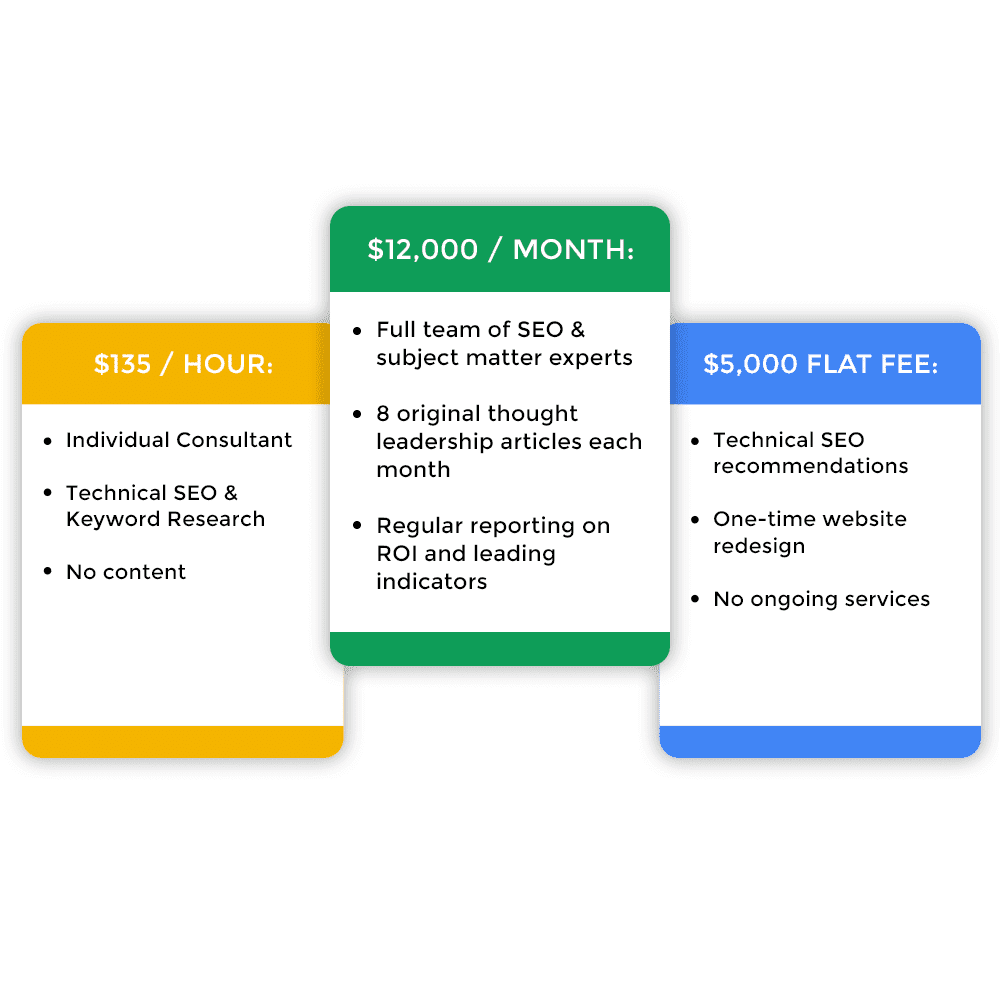
A 2026 agency roundup put SaaS SEO pricing at about $3,000 to $30,000 per month. SEO agencies scale fastest when they stop selling a menu of tasks and start selling a measurable business result. The agencies that keep margin intact are the ones that turn early interest into qualified retainers with a repeatable sales motion, not a hero-dependent pitch. That means building four systems at once: qualification, packaging, pipeline management, and proposal structure.
Sell the outcome first
Prospects do not buy a crawl report, a content calendar, or a weekly checklist in isolation. They buy qualified leads, local visibility, technical fixes that unblock revenue, and a clearer path to conversion. SEO consulting is a multi-million dollar business, with recurring problems around pricing, deliverables, winning the pitch, and day-to-day business practices.
A prospect who wants “SEO” is often really asking for more pipeline, stronger map-pack visibility, or fewer technical barriers between traffic and revenue. The sooner an agency names the business result, the easier it becomes to qualify fit and defend price.
1. Qualification protects margin before the proposal exists
The first sales system is qualification, and it starts before discovery is over. The early relationship is a structured process, not an improvisation exercise. Agencies that use that discipline can quickly sort a local lead from an enterprise migration, or a content-heavy SaaS brief from a technical recovery project.
At that kind of spread, the wrong scope can turn into a low-margin support contract disguised as growth work. Good qualification asks what the business is trying to move, which teams own implementation, what current conversion rate looks like, and how fast the client expects to see movement.
2. Package the work around one business result
The second system is packaging. Instead of selling “SEO services,” define offers around outcomes a buyer can understand: local visibility for a multi-location brand, technical cleanup that restores indexation, or a pipeline package built to increase qualified demos for a B2B SaaS company. Optimist claims up to 43x more inbound pipeline, leads, and product signups for B2B SaaS companies. That is the kind of outcome-led language that replaces task-led language.
The best case studies are sales assets, not after-the-fact brand material. In practice, that means packaging should include proof from the start: search screenshots, Search Console trends, before-and-after rankings, and concrete wins tied to revenue or qualified demand.
3. Build pipeline management as a system, not a memory test
The third system is pipeline management. A small agency does not need more spreadsheet heroics; it needs a fixed workflow that every lead moves through the same way. Calendly can handle scheduling, HubSpot or Pipedrive can track stages, Loom can document the first audit, and Looker Studio or Google Search Console exports can keep the conversation grounded in data rather than opinion.
Teams are trying to scale with AI while maintaining trust in crowded markets, a theme in HubSpot’s 2026 State of Marketing materials. For an SEO agency, that means using AI-assisted research to speed preparation, but keeping the human proof points intact. The pipeline should make it obvious when a lead is qualified, when evidence has been shared, when scope has been reviewed, and when the proposal should go out.
Moz’s Q&A forum ran for more than 13 years and logged tens of thousands of questions before it closed. Pipeline management has to cover some of the same ground in miniature: teach the prospect what good looks like, document next steps clearly, and remove repeated friction from the sales process.
4. Structure proposals around proof, scope, and next action
The fourth system is proposal structure. A proposal should not read like a task dump or a list of deliverables with no commercial logic behind it. It should move in a simple sequence: the problem, the evidence, the recommended scope, the expected outcome, and the next decision.
Tools like PandaDoc or DocuSign keep the process standardized. The proposal can point back to the discovery data, the Search Console trends, the audit recorded in Loom, and the case studies used earlier in the funnel. Moz once made $1 million through landing page optimization and email marketing.
Use referrals and partners as a growth channel
The final system is the referral loop, one of the most efficient ways to grow an agency without discounting. A 2025 referral-marketing roundup put referral marketing at 3 to 5 times higher conversion rates than other methods. That makes partners especially valuable for SEO agencies, where the best introductions often come from web developers, paid media firms, designers, fractional CMOs, and current clients who have already seen the work land.
This loop works best when the agency makes referrals easy to pass along. Short case studies, a clear description of the outcome, and a tight onboarding path let a partner explain the value in one conversation. The agency then benefits from pre-sold trust, which usually shortens sales cycles and raises close rates.
This article was produced by Prism’s automated news system from verified source data, official records, and press releases, then run through automated quality and moderation checks before publishing. The system is built and supervised by the people who set the standards it runs under. Read our full AI policy.
Did this article answer your question?