HubSpot's Website Audit Guide Gives Agencies a Repeatable SEO Framework
HubSpot's Website Audit guide gives agencies a five-part repeatable framework to productize audits, scope vendor work, and tie SEO delivery directly to client ROI.
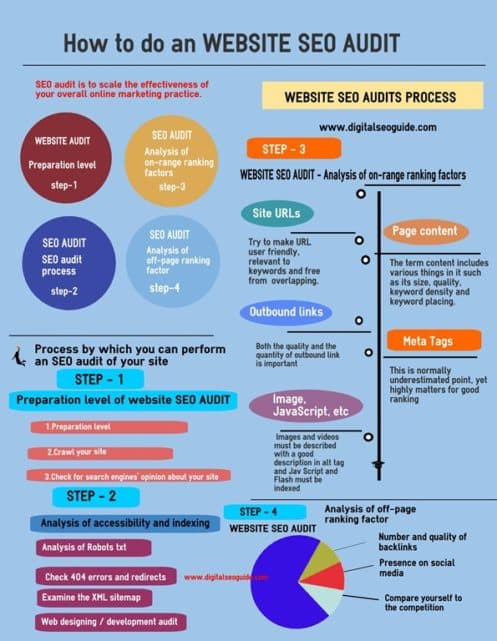
Running a website audit without a consistent framework is one of the fastest ways for an agency to undersell its expertise and over-deliver unpaid work. HubSpot's Website Audit Ultimate Guide addresses that problem head-on, providing a structured, five-part methodology that covers technical health, on-page optimization, content strategy, link authority, and conversion performance. For account leads, technical SEOs, and agency owners building discovery or retainer offerings, it functions as a blueprint that converts scattered audit findings into a prioritized, client-ready roadmap.
Start With the Technical Foundation
The technical audit section is where most agencies either win or lose credibility with a new client. HubSpot's guide centers this phase on crawl errors, site architecture, mobile friendliness, Core Web Vitals and performance benchmarks, canonicalization issues, and indexability checks. Each of these dimensions carries its own tool stack and scoring approach, and the guide helps agencies standardize those choices so that quality remains consistent across every client engagement, whether the work is fulfilled in-house or passed to a white-label vendor.
The practical value of this section goes beyond individual fixes. When agencies document crawl errors and Core Web Vitals results using a repeatable checklist, they create a vendor QA layer: white-label partners can be held to the same scoring criteria, and clients receive comparable deliverables regardless of which team did the execution. A proactive website audit detects issues early, like broken links, hidden content, long load times, and crawl errors, that reduce conversions and traffic. Using HubSpot's technical checklist as an onboarding scope for every new client means those issues surface before they become costly retainer problems.
On-Page and Content Audit: Building the Roadmap
Once the technical layer is stable, the guide moves into on-page and content analysis. This section covers keyword targeting alignment, meta information, header structure, content gaps, and user intent matching. These elements are organized specifically so agencies can translate findings into a content roadmap that a white-label production team can execute without requiring daily client contact.
The user intent component is particularly important. A page ranking for the wrong search query, or failing to answer the question a visitor actually arrived with, wastes the authority built through link acquisition and technical fixes. The guide positions intent matching not as a subjective editorial judgment but as an auditable, structured check that can be scored and compared against competitors. That structure is what makes the on-page section useful for agencies: it produces content gap lists and prioritization tiers rather than vague recommendations to "improve quality."
Backlink and Authority Review
The link profile section of the guide takes a tool-driven approach to three distinct tasks: evaluating overall link risk, identifying toxic links that could trigger manual penalties or algorithmic suppression, and surfacing high-value acquisition opportunities. For agencies that resell link building services alongside technical SEO, this is arguably the section with the highest revenue implication. A thorough backlink review gives agencies the evidence they need to justify ongoing link acquisition as a line item in a retainer proposal.
Toxic link identification is handled as a risk-management process, not a one-time cleanup. The guide's framework helps agencies set a baseline at audit time, then track changes in the link profile across subsequent review cycles. That longitudinal view is what separates an audit deliverable from a true authority management service, and it gives agencies a concrete reason to return to the client with data rather than assumptions.
UX and Conversion Audit: Connecting SEO to Revenue
Website audits reveal performance issues that negatively impact both SEO and user experience, and they evaluate the strength of a website's technical framework, revealing barriers that make pages harder to navigate. HubSpot's guide takes that connection further by structuring the UX and conversion audit around three practical outputs: mapping user flows through the site, evaluating CTA placement against those flows, and confirming that analytics instrumentation is in place to capture the data clients need to prove ROI.
This section is where agencies can most directly answer the question every client eventually asks: "What did our SEO investment actually produce?" By auditing analytics setup alongside conversion paths, agencies can identify broken event tracking, missing goal configurations, or attribution gaps before they undermine the reporting that justifies continued spend. Tying the conversion audit to the technical and content work upstream creates a complete chain from crawlability to closed revenue.
Reporting and Prioritization: Selling the Next Phase
The guide's reporting and prioritization framework is the component that converts an audit from a one-time diagnostic into a gateway sale. The framework structures findings as a prioritized roadmap that pairs each issue with an estimated effort score and projected impact level. That combination, effort plus impact, is exactly the language clients need to approve phased work quickly without requiring a detailed technical briefing.
For agencies packaging discovery offers or minimum viable improvement packages, this section provides the scaffolding for the proposal itself. When findings are presented with clear tier labeling, quick wins separated from architectural changes, clients can greenlight initial remediation work without waiting for a full strategy review. White-label vendors receiving that scoped output can begin execution immediately, since the effort estimates translate directly into deliverable timelines.
Making the Framework Repeatable Across Clients
The full value of HubSpot's guide emerges when agencies treat it as an operational system rather than reference material. Three specific adaptations make it repeatable at scale:
- Use the technical checklist as an onboarding scope template for every new client, ensuring no critical checks are skipped during the sales or discovery phase.
- Build an audit scoring rubric based on the guide's categories so that white-label vendors can be evaluated against objective criteria rather than subjective impressions.
- Convert audit recommendations directly into time and effort estimates, creating a standardized quoting process for both outsourced execution and internal fulfillment.
Some marketers only perform website audits once a year, but checking in every quarter or six months catches problems before they become costly. For agencies managing multiple client accounts, that cadence argument is also a retainer argument: the audit framework stops being a project and becomes a recurring service, one that generates consistent vendor work and client-facing reporting on a predictable schedule.
The agencies that productize their audit process earliest tend to win the larger retainers that follow. HubSpot's guide gives that process a structure specific enough to be rebrandable, flexible enough to accommodate different client industries, and comprehensive enough to cover every dimension a client's stakeholders will eventually ask about.
This article was produced by Prism’s automated news system from verified source data, official records, and press releases, then run through automated quality and moderation checks before publishing. The system is built and supervised by the people who set the standards it runs under. Read our full AI policy.
Did this article answer your question?