Keyword research shapes SEO success before content is created
Keyword research is the SEO brief, not the homework. Get the intent and business value right first, and every page, link, and refresh has a better chance to pay off.
Keyword research is the starting line, not the checkbox
The fastest way to waste a good content team is to hand them the wrong keywords. Google Search Central is blunt about what SEO is for: making content search-friendly so the right people can actually see it, while its ranking systems are built to favor helpful, reliable, people-first information rather than pages assembled to game the results. That is why keyword research belongs upstream of production, not bolted on after a brief is already locked.

For agencies, this changes the job completely. Keyword selection is not just about picking phrases with decent volume. It is the decision layer that shapes what gets published, what gets deprioritized, what gets refreshed, and which pages deserve internal links, conversion tracking, and client attention. If the terms are wrong, even strong writing disappears into the noise.
Treat keywords like intent signals, not just search phrases
A keyword is never just a string of words. It is a clue about what the searcher wants, and the response has to match that intent. Informational queries need educational content, commercial queries need comparison pages or solution-led landing pages, and transactional terms usually belong on pages built to convert rather than explain.
That distinction matters because agencies often overproduce blog content for queries that should have been treated as commercial opportunities, or they aim landing pages at informational searches that will never convert well. The smarter move is to cluster keywords by intent, then sort those clusters by business value and funnel stage. That gives you a content calendar that works like a sales map, not a vanity ranking spreadsheet.
A practical framework looks like this:
- Informational clusters for discovery and education
- Commercial investigation clusters for comparisons, alternatives, and best-fit pages
- Transactional clusters for high-intent product, service, or demo-driven pages
- Retention or expansion clusters for existing customers, support, and upsell paths
Once you think this way, content planning gets cleaner. You stop asking, “What can we write about?” and start asking, “Which search intent deserves a page, which deserves a section, and which deserves to be folded into something we already have?”
Start with seeds, then prune hard
The best keyword programs usually begin with a short list of seed terms, then expand outward until the noise starts outweighing the value. That is where discipline matters. Modern keyword databases are massive, with Semrush saying its Keyword Magic Tool exceeds 28.4 billion keywords and Moz saying its Keyword Explorer includes more than 1.25 billion keyword suggestions. The trap is assuming more keywords automatically means more opportunity.
It does not. It means you need a filtering system.
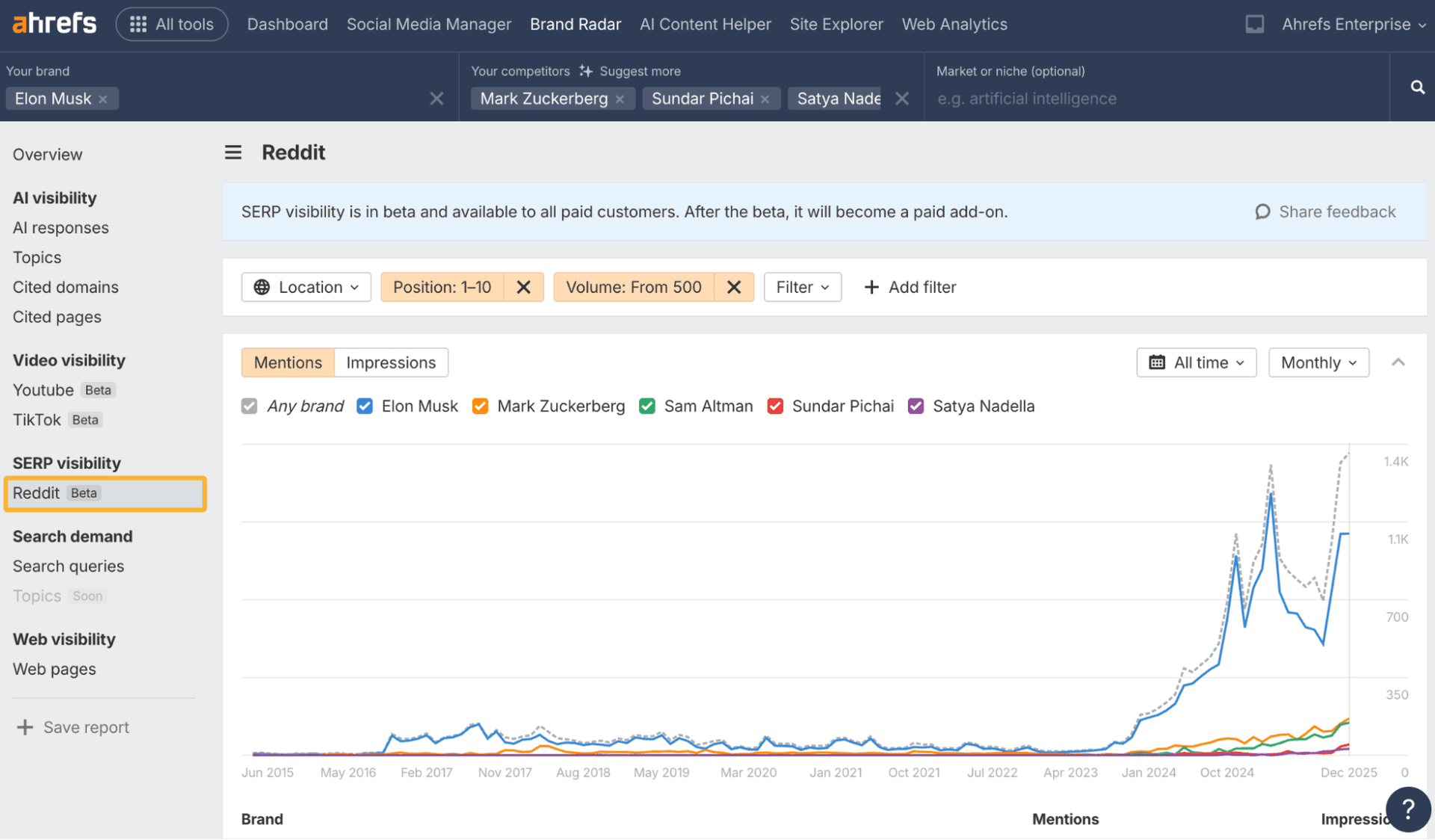
Ahrefs defines search volume as a 12-month average estimate, which is useful because it smooths out one-off spikes and gives you a more stable view of demand. Moz adds monthly volume, organic CTR, difficulty, minimum domain authority, and primary search intent in its Keyword Explorer, which is exactly the sort of prioritization stack agencies need when they are trying to decide whether a term is worth a page, a section, or a pass. Google Ads Keyword Planner approaches the same problem from a planning angle, helping users discover relevant keywords and forecast clicks, conversions, and impressions.
That is the right order of operations: find the terms, trim the list, then score the survivors against the metrics that matter to the business.
Use business value and funnel stage to decide what wins
The big mistake is treating search volume like the main event. Search volume matters, but it is only one signal. A keyword with lower volume can outperform a broader term if the intent is sharper, the commercial upside is higher, and the page has a realistic chance of earning visibility.
This is where agencies should cluster by three filters at once: intent, commercial value, and funnel stage. A term tied to a buying signal at the bottom of the funnel may deserve priority over a top-of-funnel phrase with far more traffic but little conversion potential. That approach also protects content calendars from becoming traffic-chasing machines that look busy but do not move leads, demos, or revenue.
A strong keyword brief should answer questions like these before writing starts:
- Does this query belong on a blog, a guide, a comparison page, a category page, or a service page?
- Is the intent informational, commercial, or transactional?
- Is the term realistic given current authority and competition?
- Does the page have a clear business role beyond ranking?
If those answers are fuzzy, the content usually will be too.
Keyword research also shapes architecture and links
Google says its search works in three stages, crawling, indexing, and serving search results. That matters because keyword decisions are only one part of discoverability. Google also says links are a signal for determining page relevancy and for finding new pages to crawl, and that anchor text helps both people and Google understand what a page is about.
That means keyword strategy and internal linking strategy are inseparable. If a cluster is important, it should have a clear home in the site structure, supporting pages around it, and internal links that use descriptive anchor text instead of vague navigation labels. In practice, this is how agencies turn keyword research into a system: main pages own the head terms, supporting assets cover subtopics, and links tie the whole cluster together so the topic authority is obvious.
Without that structure, technical fixes, link building, and content production are all operating without a map. The agency may be busy, but it is not steering.
Why this matters more now than it used to
Organic search still carries serious weight. Conductor’s 2025 State of SEO report says organic search produced 33 percent of overall website traffic across seven key industries in 2024, and 91 percent of respondents said SEO positively impacted website performance and marketing goals. That is not a niche channel. It is a core growth lever.
At the same time, the search results page is changing. Google launched AI Overviews to all users in North America in May 2024, which raises the stakes for keyword selection because the old blue-link game is no longer the whole game. Some queries will surface direct answers, some will compress organic visibility, and some will reward pages that demonstrate depth, clarity, and real usefulness. Agencies that still build content calendars as if SERPs are static are already behind.
Avoid the old shortcuts
Google Search Central defines keyword stuffing as filling a page with keywords or numbers to manipulate rankings, and that warning still matters because over-optimized pages are usually the ones that read like they were written for a crawler, not a person. The modern version of the same mistake is subtler: chasing every variant, repeating the same phrase in every heading, and building pages around search engines instead of searchers.
The better approach is more selective and usually more profitable. Pick the terms that fit the audience’s intent, cluster them into page groups, and map each group to a clear business goal. Then build the calendar from there, with refreshes and internal links planned from day one.
That is how keyword research stops being a task and becomes a growth system. The agencies that treat it that way publish less noise, defend their recommendations more easily, and build SEO programs that compound instead of drifting from topic to topic.
This article was produced by Prism’s automated news system from verified source data, official records, and press releases, then run through automated quality and moderation checks before publishing. The system is built and supervised by the people who set the standards it runs under. Read our full AI policy.
Did this article answer your question?