Moz Expert Outlines 2026 SEO Strategy: Entity Clusters, AI Optimization, and E-E-A-T
Moz's Chima Mmeje cuts through the AI noise with six actionable 2026 SEO priorities: entity clusters, agentic AI optimization, LLM metrics, and E-E-A-T fundamentals that agencies can't afford to ignore.
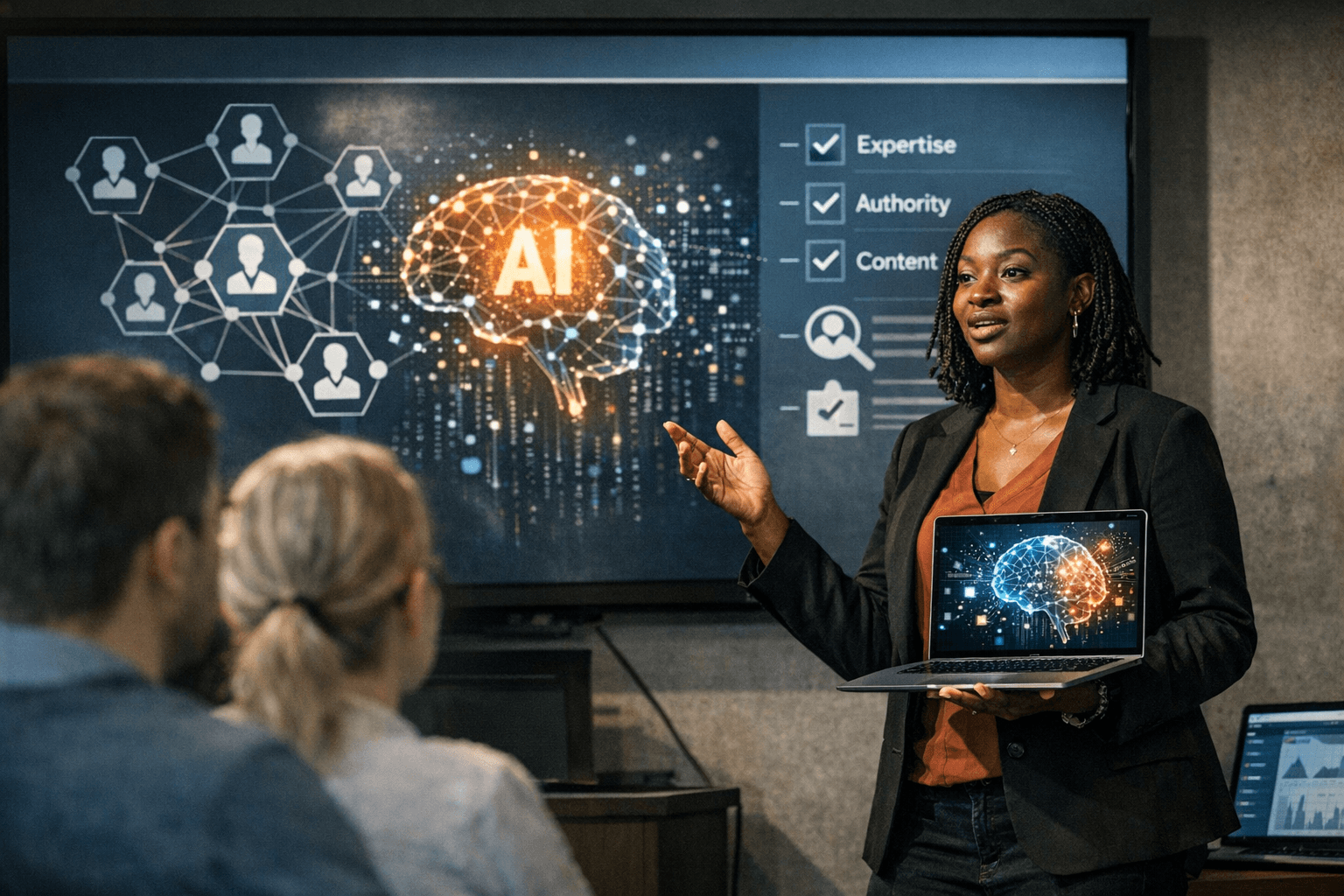
The SEO industry is drowning in AI hype, and the practitioners who thrive in 2026 will be the ones who refuse to let noise replace strategy. Moz's Chima Mmeje has distilled the priorities into six concrete tips, covering how to optimize for agentic AI, build entity clusters, and track LLM metrics to stay ahead. Mmeje serves as content marketer and strategist at Moz, where she positions the company as an authoritative source of truth in the SEO industry. Her framework is less about chasing the next shiny tool and more about grounding decisions in what actually moves the needle, a perspective that's especially valuable for agencies currently rethinking their service offerings.
Shift from Keyword Clusters to Entity Clusters
The most foundational shift Mmeje identifies is architectural. In 2026, the priority is entity clusters over keyword clusters, aligning content strategy with how evolving AI search models actually process information. Where traditional SEO trained practitioners to build pages around target phrases, entity-based thinking organizes content around concepts, relationships, and the meaning behind queries.
The era of tricking search engines with high keyword density and low-quality links is over. Entity SEO is about building a brand that Google can understand, verify, and trust, shifting focus from "strings to things" to build a digital presence that survives the AI-driven future of search. In practice, one of the biggest practical changes involves shifting from single keyword pages to topic clusters, with a pillar page anchoring a web of interconnected supporting content that collectively signals deep topical authority.
Optimize for Agentic AI
Agentic AI represents a fundamentally different kind of search interaction, one where the engine doesn't just return results but completes tasks on behalf of users. Artificial intelligence is moving beyond just answering questions to completing entire tasks. AI agents will search, compare, and even transact on behalf of users, fundamentally changing how consumers discover and purchase products.
In 2026, SEO is increasingly about designing for the Reasoning Web, where agents read, decide, and act on behalf of users. Visibility depends on agentic readiness: clean structured data, stable identifiers, precise ontologies, and knowledge graphs that let agents resolve entities, compare offers, and execute tasks. For agencies, this means auditing technical infrastructure for machine readability, not just human readability. Strengthening structured data, avoiding JavaScript-only rendering for critical content, maintaining consistent product data across all channels, and streamlining information architecture are essential for facilitating AI crawling and conversion.
Track LLM Metrics
Traffic from Google has long been the default measure of SEO success, but that single metric no longer tells the full story. Expanding SEO reporting beyond traffic means tracking LLM referrals, session quality, and SERP features to understand where discovery is actually happening. AI is driving vendor discovery before Google ever sees the click, making brand mentions, LLM citations, and branded search critical pipeline metrics.
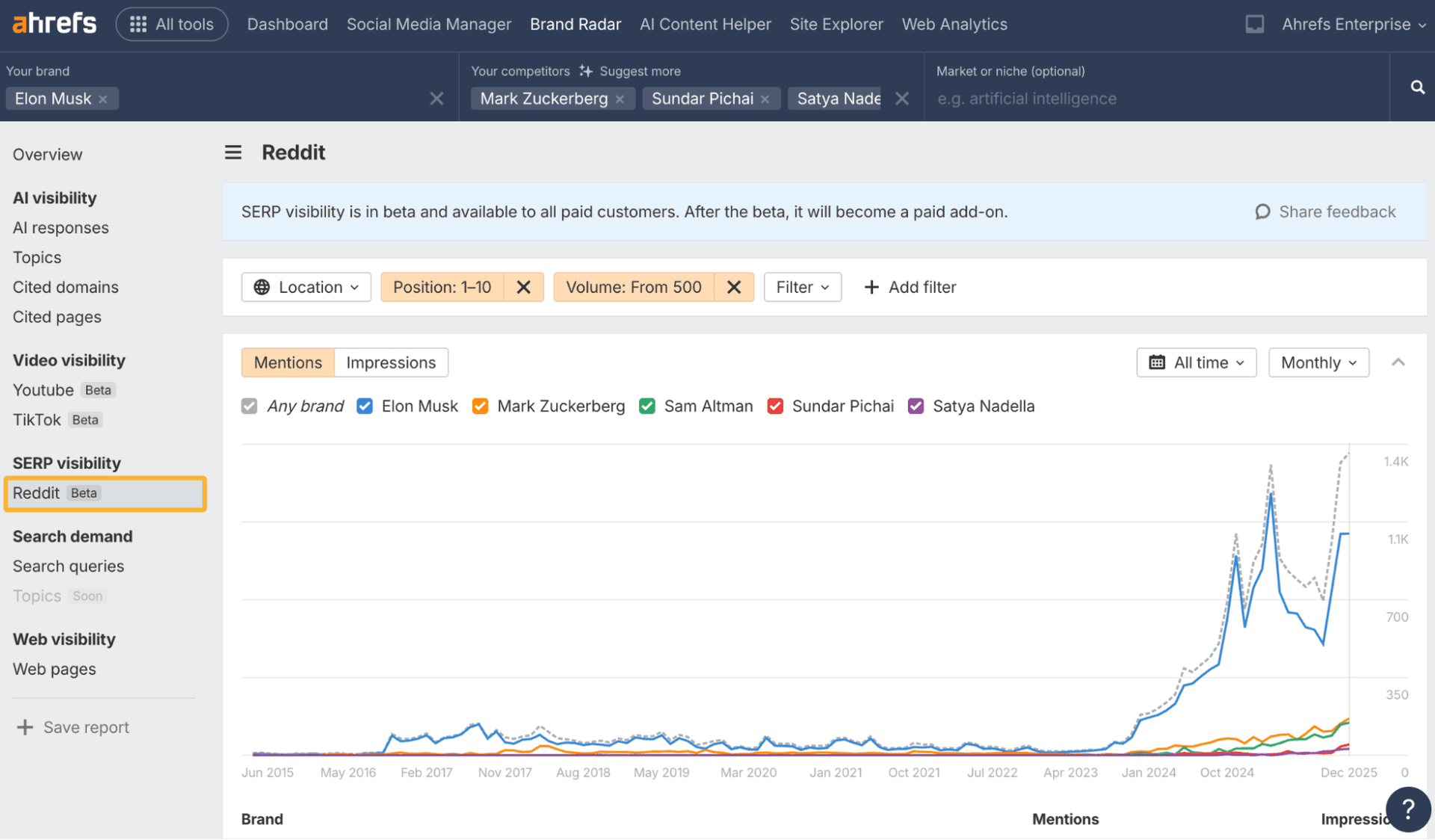
The core objective has shifted from visibility to eligibility. Traditional ranking is being superseded by "citation share," and success is no longer about holding position one for a keyword; it is about being the synthesized truth that an AI model presents to the user. Tools like Semrush's AI Visibility Toolkit and Ahrefs' Brand Radar now exist specifically to measure this kind of presence, tracking how large language models describe and cite your brand across platforms.
Double Down on E-E-A-T
Experience, Expertise, Authoritativeness, and Trustworthiness have been Google quality guidelines for years, but they carry renewed urgency in an AI-mediated search environment. E-E-A-T remains foundational. The focus should be on generating original research, featuring real users and experts, and contributing expert commentary, all of which help earn credible mentions and citations that enhance organic visibility and brand credibility.
Many SEOs suggest using the current AI hype to secure funding and prioritization for fundamental SEO tasks, reframing them as "AI-readiness." This includes improving crawlability, internal linking, and technical SEO, while strongly focusing on E-E-A-T to be a trusted source for both humans and machines. The argument is elegant: the signals that make content trustworthy to human readers are increasingly the same signals AI systems use to decide what gets cited.
Build Brand Presence Across Channels
Mmeje's framework extends visibility strategy beyond the traditional SERP. Targeting platforms like LinkedIn, YouTube, and newsletters where B2B audiences spend time, engaging influencers to share authentic product use cases, and utilizing digital PR, podcasts, and thought leadership opportunities to gain exposure without overt selling are all part of a modern SEO approach. Building strategic partnerships to tap into established social and content channels, and standardizing brand narrative across all channels, maximizes impact and avoids wasted investment.
SEO is transitioning to "Total Search Optimisation" or "Search Everywhere Optimisation," requiring brands to be present and answerable across various platforms including social media, forums, LLMs, and traditional search engines. Brands need to think beyond Google.
The Case for Fundamentals Amid AI Noise
Perhaps the most important throughline in Mmeje's thinking is a resistance to distraction. The SEO landscape is flooded with new terminology, new tools, and new claims every week, and practitioners face real pressure to constantly pivot. The smartest SEOs aren't chasing AI-overview hacks. They're using the hype itself to finally get foundational work prioritized. Every "AI search" conversation is a door to walk leadership straight into the fundamentals they've been fighting to implement for years.
AI doesn't replace experts but scales their capabilities. The human component, including strategic thinking, creativity, and context-based decisions, remains indispensable. For agencies, that's the real competitive advantage on offer in 2026: not the latest automation shortcut, but the depth of strategic judgment that no tool can replicate. Mmeje's six-tip framework is ultimately a reminder that the path through AI disruption runs directly through the work practitioners already know matters most.
This article was produced by Prism’s automated news system from verified source data, official records, and press releases, then run through automated quality and moderation checks before publishing. The system is built and supervised by the people who set the standards it runs under. Read our full AI policy.
Did this article answer your question?