Search Everywhere Optimization puts brands on shortlists before Google searches
Brands are being shortlisted before the search begins. Agencies that map and monetize that pre-search influence can turn SEO into a broader growth playbook.
The shortlist is already forming before Google enters the picture
The old habit of treating search as the beginning of discovery is costing agencies real business. Buyers are seeing the same brands in social video, Reddit threads, creator content, review sites, and AI answers long before they type anything into Google, and by then the shortlist is usually set. Search Engine Land’s Search Everywhere Optimization Pyramid is useful because it admits the obvious: visibility is no longer won in a single channel, and it is definitely not won in isolation.
That shift matters because the customer journey has stopped behaving like a neat funnel. Google’s 2009 consumer decision journey already said people were moving outside the traditional funnel, and the later messy middle research described a looping space of exploration and evaluation between trigger and purchase. The point is not that search is less important. It is that search is now one checkpoint inside a much messier decision system, where repeated exposure elsewhere can decide who gets searched for in the first place.
What the pyramid solves for agencies
The value of the Search Everywhere Optimization Pyramid is not the diagram itself. It is the discipline it gives teams when everything feels like a priority. Instead of trying to optimize every surface equally, the pyramid creates layers that stack on top of one another, with foundational visibility supporting more advanced discoverability and conversion. That is the kind of structure agencies can sell, because clients do not need another abstract theory about omnichannel behavior. They need a practical map that tells them where to spend, what to fix first, and what to upsell next.
Used well, the pyramid turns into a client audit framework. You start with the places that shape the shortlist before search, then work upward into the places that help close the decision. That means reviewing how a brand shows up in review sites, social platforms, communities, PR, creator content, and AI mention ecosystems, then asking whether those signals all point in the same direction. If they do not, the brand is leaking trust before the query ever happens.
A workable audit usually looks something like this:
- Foundational visibility: brand site clarity, product pages, structured information, and the basics that help search engines and AI systems understand the brand.
- Social proof surfaces: review sites, social feeds, creator mentions, and short-form video where buyers often see a brand first.
- Community presence: Reddit and other forums where people ask for real-world opinions and get blunt answers.
- Earned authority: PR, bylines, analyst coverage, and credible third-party mentions that reinforce legitimacy.
- AI-era discoverability: the brand’s footprint in systems that summarize, recommend, and compare, which increasingly draw from the wider web.
That is also where the upsell lives. A lot of agencies still sell SEO as a technical discipline, then wonder why the work gets squeezed. The smarter pitch is broader: search becomes the measurement layer for brand and demand generation, not a standalone channel. Once a client sees that the shortlist is built across multiple surfaces, the case for integrated services gets much easier to make.
Why the data says this is not hype
The strongest argument for this approach is that people already use multiple discovery sources. DataReportal’s Digital 2025 brand-discovery data says search engines were cited by 32.8% of respondents as a brand or product discovery source in Q3 2024, while brand websites were cited by 25.8%. The same research says the average number of discovery sources has held around 5.8, which is a tidy way of saying buyers are not discovering products in one place and calling it a day.
Google still matters, of course. BrightLocal’s 2025 consumer search research says 70% of general online searches are conducted using Google, and nearly 3 in 5 consumers search for something online multiple times a day. That is exactly why the pre-search fight matters so much: Google remains central, but it is no longer the only place where decision-making starts.
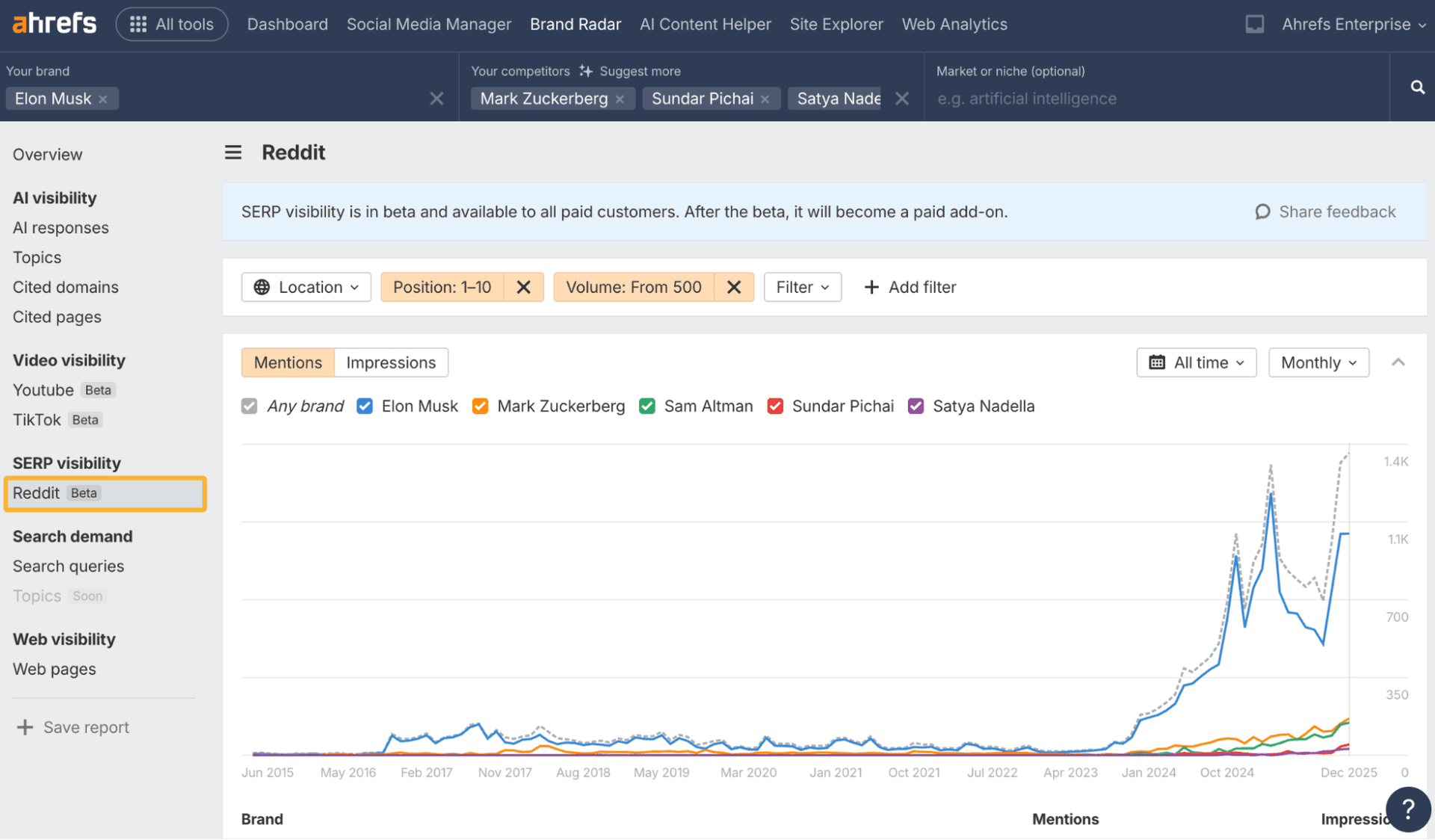
Reddit makes the same point from a different angle. Its 2024 Recommendation Journeys for Products research says over half of U.S. shoppers have concerns about the quality and legitimacy of the discovery channels they use most, and it says peer recommendations are the most trusted source of information. Reddit also says shoppers spend more time on the platform in the research and consideration phases of their journeys, which explains why it keeps building ad products around discovery, consideration, and decision-making. That is not a side channel. That is a shortlist factory.
Google itself has been moving in this direction for years
The pyramid also fits the way Google keeps describing shopping behavior. The messy middle research says discovery and evaluation happen in a non-linear loop, and Google’s later material says the original research was published in 2020 and revisited in 2023 with more analysis on how marketers can build confidence and influence decisions. In 2025, Google’s shopping team said AI Mode is built for every part of shopping, from finding inspiration to buying at the right moment, which is a pretty direct acknowledgment that discovery and conversion are now intertwined.
Google also said the launch of AI Overviews increased the volume of commercial queries over the last year. That matters because it suggests the search experience is expanding upward into earlier-stage exploration, not just downstream comparison. For agencies, that creates a useful strategic opening: if Google is already pulling more commercial intent into AI-driven discovery, then the brands that show up consistently across the wider web will be the ones most likely to be surfaced, summarized, and remembered.
The agency growth playbook is coordination, not channel worship
McKinsey’s 2025 State of the Consumer report describes an unpredictable consumer environment and calls for new strategic imperatives for growth. That is the right frame for this work. The winning agency does not promise to “do SEO plus a little social.” It helps clients coordinate the signals that shape the shortlist, then measures whether those signals are actually showing up in the places buyers trust.
That means the pitch should sound less like a tactic and more like a system. Search Everywhere Optimization gives agencies a way to connect SEO, social, creator work, PR, community participation, and AI-era discovery into one visibility strategy. In a market where buyers decide before they search, the agency that can influence what gets remembered first is the agency that gets to stay in the room.
This article was produced by Prism’s automated news system from verified source data, official records, and press releases, then run through automated quality and moderation checks before publishing. The system is built and supervised by the people who set the standards it runs under. Read our full AI policy.
Did this article answer your question?