Search reports need business outcomes, not just clicks and impressions
Dashboards can prove activity, but executives want outcomes. Agencies that tie search to revenue, leads, and causal impact make reporting easier to trust and harder to cut.

The dashboard problem
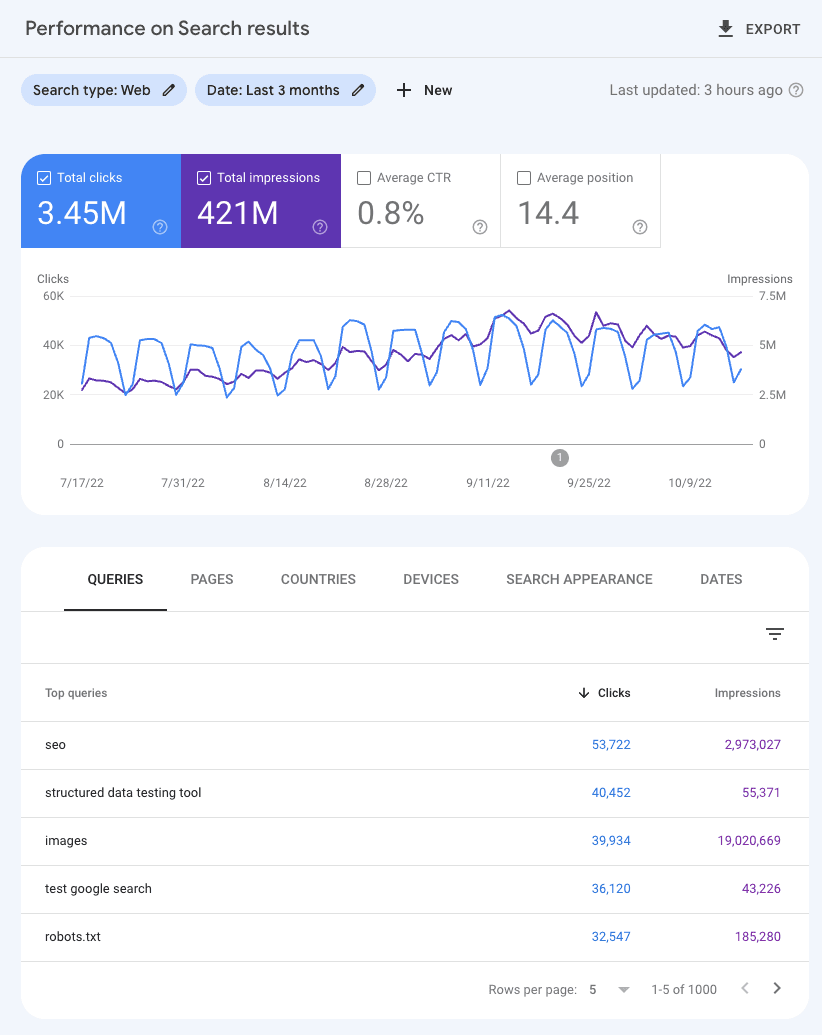
Search reports have a bad habit of looking impressive right up until someone asks what the business actually got out of them. Clicks, impressions, CTR, and average position are easy to show, but they are still visibility metrics, not outcome metrics. Google Search Console makes that clear in the way it structures its Performance report, and it also warns that property-level and page-level aggregation can produce different totals and averages, which is exactly the kind of detail that makes executives lose trust when the story is framed only around channel stats.
That is the core mistake agencies keep making. They hand over a dashboard full of movement and assume movement equals meaning. Search Engine Journal’s take on the problem is blunt: search marketing creates an enormous amount of performance data, yet many leaders still struggle to explain what it means for the business. If the report starts with rankings and traffic, it forces the client to do the translation work themselves.
Start with the outcome, not the metric
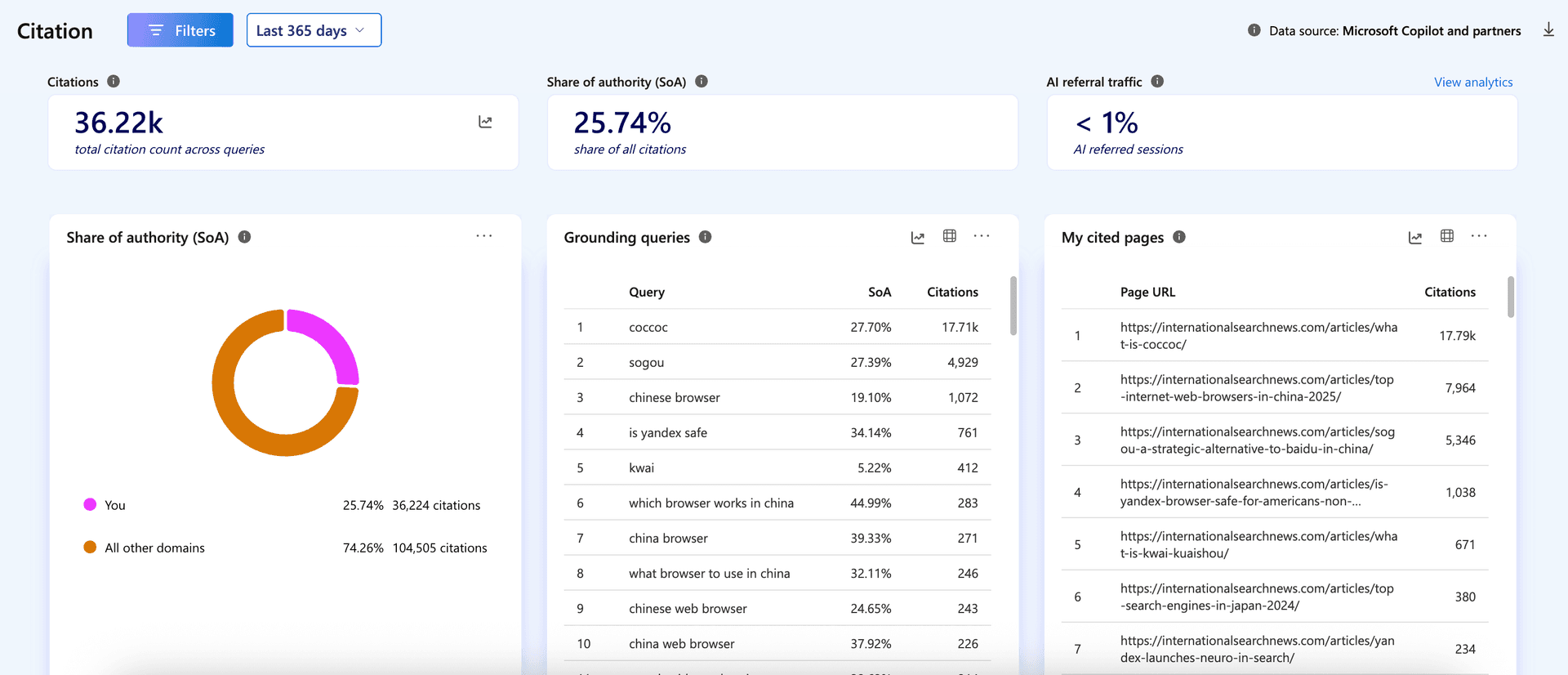
The better place to begin is the business result the client is actually buying. HubSpot’s 2025 survey of more than 700 marketing executives found that increasing revenue and sales was the top priority for most marketing leaders, at just over 20 percent. Its 2026 State of Marketing report, based on input from more than 1,500 marketers across industries, regions, and company sizes, shows the pressure only getting sharper, with 40.6 percent saying they are updating SEO for search changes. Gartner’s September 2025 survey of 174 senior marketing leaders points in the same direction: revenue growth remained the top priority for CMOs in 2026, even with budget pressure and the demand to prove ROI from AI investments.
That means the report has to open with the deepest business metric available, whether that is revenue, qualified leads, customer lifetime value, or pipeline influence. Once the outcome is set, the search team can work backward to show which queries, pages, campaigns, and audiences fed it. That framing changes the conversation from "here is what search did" to "here is what search did for the company."
Why search data gets messy so fast
This reporting problem is getting harder, not easier, because search itself is changing underfoot. A practitioner in the article describes a familiar moment: rankings looked good, traffic looked healthy, tracked conversions were coming in, and the client still said none of it had turned into new cases. That is the kind of disconnect that kills confidence in channel reporting because it exposes the gap between what the dashboard sees and what the business feels.
Last-touch attribution is especially shaky now. Search Engine Land argued in January 2026 that AI-driven search, zero-click results, and platform-level answers are worsening attribution problems for SEO, and that many teams have seen double-digit year-over-year declines in reported organic traffic and leads. Google’s own search changes reinforce the point: the new intelligent Search box and conversational follow-ups from AI Overviews are rolling out more broadly in AI Mode markets, which means the path from discovery to click is getting shorter, and sometimes disappearing altogether.
The scale of AI visibility makes this even more important. A Botify and DemandSphere study from December 2024 found AI Overviews appearing in nearly half of search results across more than 120,000 keywords and 22 websites. Once search interfaces start answering questions before the click, a report built only on visits and rankings becomes a partial account at best. It can still describe exposure, but it cannot fully describe influence.
What agencies should report instead
The practical move is to build every search report around a business narrative. Start with the result, then connect the dots from search activity to that result, and then explain the confidence level in the data. Google’s own measurement work points in the same direction. In May 2026, Google said it was bringing Meridian, its open-source marketing mix model, into Google Analytics 360 to unify first-party and cross-channel data, measure causal performance, and forecast outcomes. That is a strong signal that measurement is moving away from isolated channel proof and toward connected business proof.
For agencies, that means the reporting stack has to include more than Search Console and the ad platform. The cleanest executive-facing view usually pulls together:
- first-party analytics
- CRM and pipeline data
- paid and organic search data
- conversion quality, not just conversion volume
- revenue or lead value where it can be tied back
The point is not to drown the client in more data. It is to reduce the number of sources that disagree with each other. When Search Console says the property generated one story and the CRM tells another, the report should explain why, not pretend the mismatch does not matter.
The narrative executives will actually buy
The strongest search reports read like business updates, not channel recaps. They tell executives what changed, why it changed, and what action follows. That is the difference between reporting for a marketing manager and reporting for a leadership team that is deciding budgets, headcount, and growth priorities.
A useful structure is simple: 1. State the business goal. 2. Show the search contribution. 3. Name the evidence and the source differences. 4. Finish with the decision the data supports.
That structure matters because companies grow faster when marketing leadership is involved as business leadership, not only as channel management. Search reports should therefore make it easy to see how search supports company goals, where the data is solid, and where attribution is getting noisier because the search experience itself has changed.
The names around this debate keep multiplying, from Corey Morris, Dan Lauer, Mandy Bray, Gaurav Agarwal, and Michelle Keene to Daniel Waisberg, Liz Reid, and Maria Georgieva. That is a sign the industry knows the old dashboard logic is wearing thin. The agencies that keep their clients are the ones that can translate search into business value without hiding behind clicks, impressions, or pretty charts.
In the end, the best report is the one that helps an executive make a better decision. If search cannot do that, it is just noise with a logo on top.
Know something we missed? Have a correction or additional information?
Submit a Tip