Seasonality explains traffic dips, helps agencies avoid false SEO alarms
A traffic dip can be a calendar problem, not an SEO failure, and agencies that prove it with history earn trust instead of panic.

A dip is not always damage
A monthly traffic drop can send a client straight into crisis mode. The instinct is familiar: blame an algorithm update, worry about indexing, or assume the reporting broke somewhere between dashboard and decision-maker. But the sharper read is often far simpler, because demand itself changes over the year, and those shifts can make healthy sites look broken.
That is why seasonality has become such a useful test of agency maturity. A January decline, for example, can look alarming until last year’s chart shows the same curve, revealing not a technical failure but a slow season. Once that pattern is visible, the conversation changes from damage control to context, and that is where agencies start proving strategic value.
Read the shape of demand, not just the drop
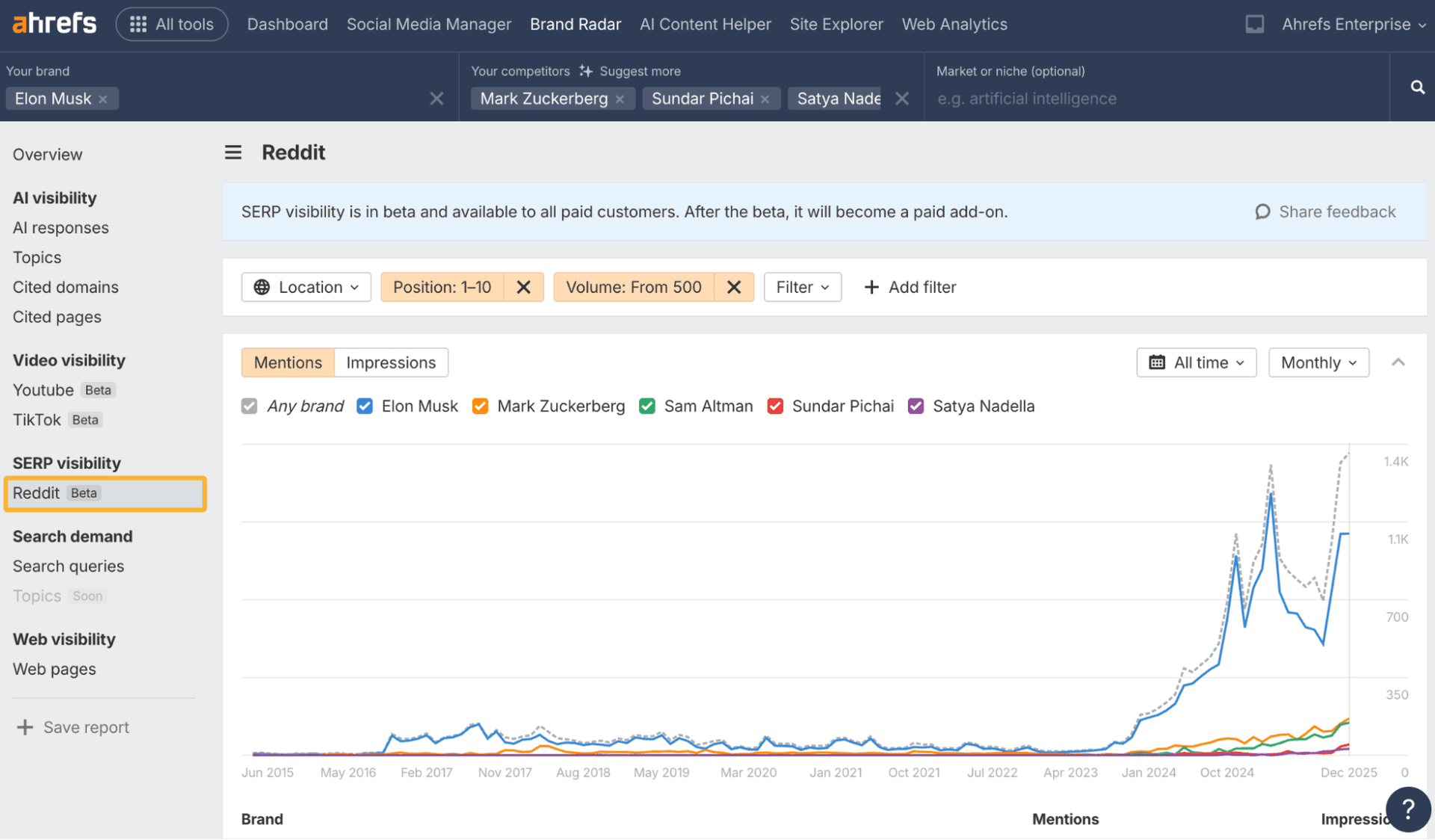
Google Search Console’s Performance report is built for this kind of comparison. It shows clicks and impressions in Google Search results and lets teams compare performance by date range, query, page, country, and search type, which makes it far more useful than a single month view when traffic turns soft. The report also defaults to the past three months, so agencies often need to widen the frame before the seasonal story becomes obvious.
Google Search Central’s guidance adds another important layer: seasonal patterns usually show up first in impressions and query mix, then later in clicks, CTR, and conversions. That sequence matters because it keeps teams from overreacting to the last metric that moves. If impressions soften before clicks do, or if query mix shifts before conversion rates change, the site may be tracking normal demand behavior rather than suffering from an SEO defect.
Turn seasonality into an agency habit
The real opportunity is not just spotting the dip, but using it to shape how the agency works. Seasonal forecasting, historical comparisons, and content timing analysis can all become part of the service model, which gives clients something more durable than reactive troubleshooting. Instead of waiting for a panic email, the agency can explain in advance when traffic usually rises, when it cools, and which campaigns should be live before demand returns.
That approach also changes retention conversations. Clients remember the agency that prevented an unnecessary fire drill, especially when the team can show that the slowdown was expected and the next upturn was planned for. In practice, that means building seasonality into reporting cadence, content calendars, and landing page optimization, so the work is timed to demand rather than trailing it.
A useful agency playbook looks like this:
- Compare current performance with the same period last year, not just the previous month.
- Track impressions and query mix before drawing conclusions from clicks alone.
- Tie reporting to expected demand windows, not only to monthly check-ins.
- Build landing pages and content before the seasonal spike arrives.
Know which accounts need this most
Seasonality is not a niche concern. Search Engine Land’s guide points to ecommerce and retail, local services, B2B companies, and global or multi-region brands as especially exposed to demand swings, and that makes the issue broad enough to affect almost every agency portfolio. A retailer may see predictable holiday ramps and post-season softness, while a local service business can feel the difference between weather, school calendars, or regional timing.
That is also why the agency has to separate normal cycles from genuine SEO problems. If a site loses visibility in one market while another country holds steady, or if one page category dips while a broader pattern remains intact, Search Console’s country and page filters can help isolate whether the issue is seasonal or structural. That kind of diagnosis is where agencies earn trust, because they are not simply relaying a dashboard reading, they are interpreting it.
Google Trends turns seasonal hunches into planning tools
Google Trends gives teams another angle on the same problem. Google Search Central says it can help people understand how searchers find information on Google Search, refine content strategy, build a content calendar, and benchmark against an industry. That makes it especially useful when an agency needs to explain not just that demand changes, but how audience language changes along with it.
The addition of a Google Trends API alpha makes that work even more practical. Programmatic access opens the door for repeated trend analysis, which is useful for researchers, journalists, and developers, but it also hints at a future where agencies can build more systematic seasonal models instead of relying on gut feel and memory. For clients that want evidence, that kind of repeatable analysis is a stronger story than a one-off traffic graph.
Travel shows how visible the pattern can be
Google’s travel trends guidance makes the point in vivid terms. It frames travel as peak-season search behavior, with spikes in queries such as itinerary, lodging, and destination dupe showing up when demand climbs. That is a useful reminder that seasonal search is measurable in the open, not just inferred after the fact.
For agencies, that visibility is the real lesson. Seasonal thinking helps distinguish a normal demand cycle from a true SEO problem, and once that distinction is clear, reporting gets sharper, clients get calmer, and planning becomes more strategic. The best agencies do not wait for panic to explain a drop; they use seasonality to show they understood it coming.
This article was produced by Prism’s automated news system from verified source data, official records, and press releases, then run through automated quality and moderation checks before publishing. The system is built and supervised by the people who set the standards it runs under. Read our full AI policy.
Did this article answer your question?