Semrush broadens content gap analysis beyond keywords for agency growth
Semrush is recasting content gap analysis as a revenue tool, not a keyword exercise. For agencies, that turns research into bigger roadmaps, stronger retainers, and clearer client value.
Support tickets and sales calls now sit alongside keyword tools in Semrush’s June 23 guide to content gap analysis. The exercise becomes a way to find topics you have not covered, or have covered poorly, and to turn that finding into a broader growth plan for agencies that need more than another list of blog ideas.
Why the gap is bigger than search volume
Vlado Pavlik, Semrush’s Content Operations Lead, writes that content gaps can be topical, intent-based, quality-related, or originality-based. A site can look complete on a keyword map and still fail to answer the questions customers are actually asking, or fail to stand out in a crowded category. For agencies, that shifts the work from filling a spreadsheet to building a case for why a client needs more market coverage, better information architecture, and sharper positioning.
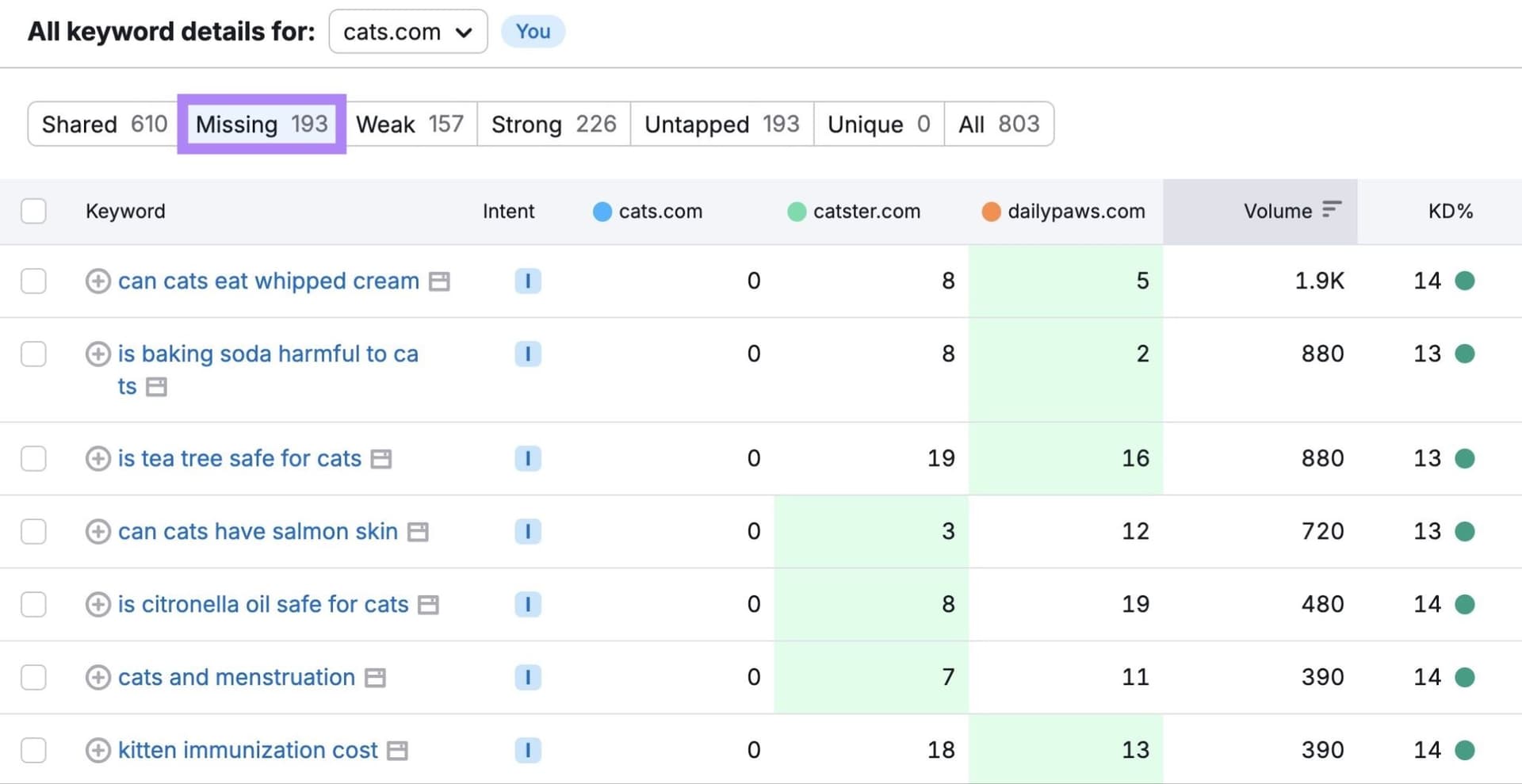
A strong gap analysis does not just show what a competitor ranks for. It also shows what a brand should be known for, where its expertise is thin, and which parts of the buying journey are being ignored. That gives you a cleaner way to justify larger content roadmaps, upsell strategic planning, and move client conversations away from “more blog posts” toward share capture across the full topic universe.
What Semrush says to put into the analysis
The inputs extend well beyond keyword tools. Keyword data still matters, and prompt data can help surface how people phrase questions in AI-driven discovery, but the analysis also draws on sales calls, support tickets, product reviews, and community discussions. Those sources reveal language that search volume alone will miss, especially in B2B categories where buyers ask about implementation, risk, and integration long before they care about a polished landing page.
The deliverable becomes a repeatable research process, not a one-off audit. If you can show that a client’s content is missing topics pulled from sales objections, customer complaints, and peer discussion threads, the roadmap becomes easier to defend. The work also becomes easier to operationalize into calendars, briefs, and measurement, which is where agencies create stickier retainers.
How the agency workflow changes
A useful gap analysis now has to cover three layers at once. First, it needs the classic competitor view, which shows where rival brands are winning visibility. Second, it needs an audience-need layer, which maps the questions and decision criteria buyers actually use. Third, it needs an originality layer, which asks whether the brand is saying something distinct enough to earn attention when many pages cover the same search intent.
The process becomes less about chasing exact-match terms and more about building topical authority. If a client sells a complex service, the best expansion opportunities may sit in how-to content, comparison pages, implementation guidance, and problem-specific resources rather than in head terms alone. Agencies that can connect those gaps to pipeline logic are in a stronger position to sell strategy, not just production.
Why Google’s guidance supports the same approach
Google’s Search Central guidance supports the same logic. Its ranking systems are designed to prioritize helpful, reliable, people-first content, which means pages built only around keyword coverage are unlikely to stay competitive if they do not answer user needs well. Search Essentials also advise creators to use the words people actually search for, place those words prominently on the page, and keep links crawlable, which keeps the technical basics tied to actual user language rather than internal jargon.
Google says core updates happen several times a year and can take weeks or months to fully register in search results. That timing favors a longer-horizon content planning model, because agencies cannot treat gaps as a quick fix that will pay off immediately after publication. Content strategy has to absorb uncertainty, measure progress over time, and assume that search visibility will move unevenly as systems reevaluate pages.
The AI layer is now part of the gap
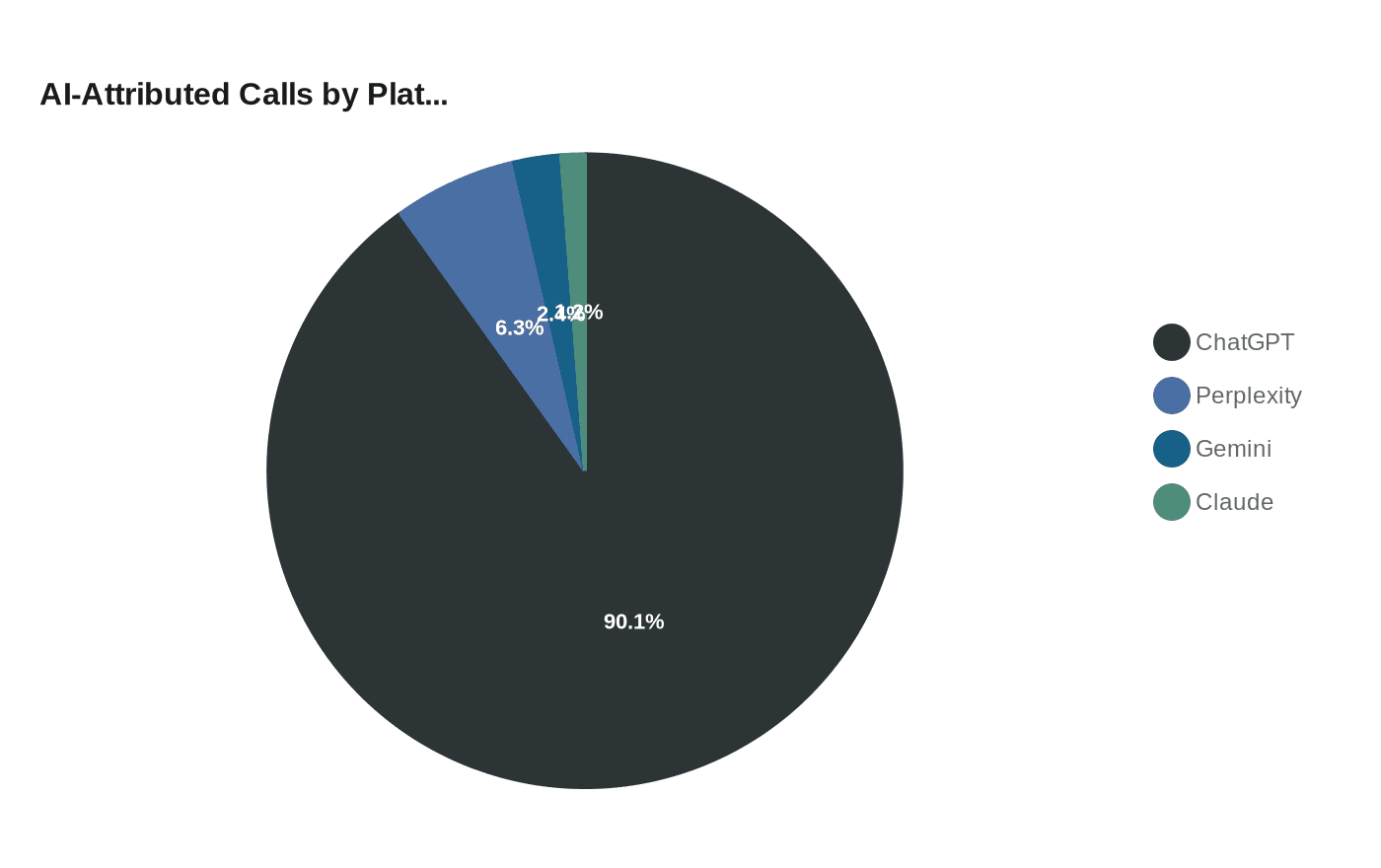
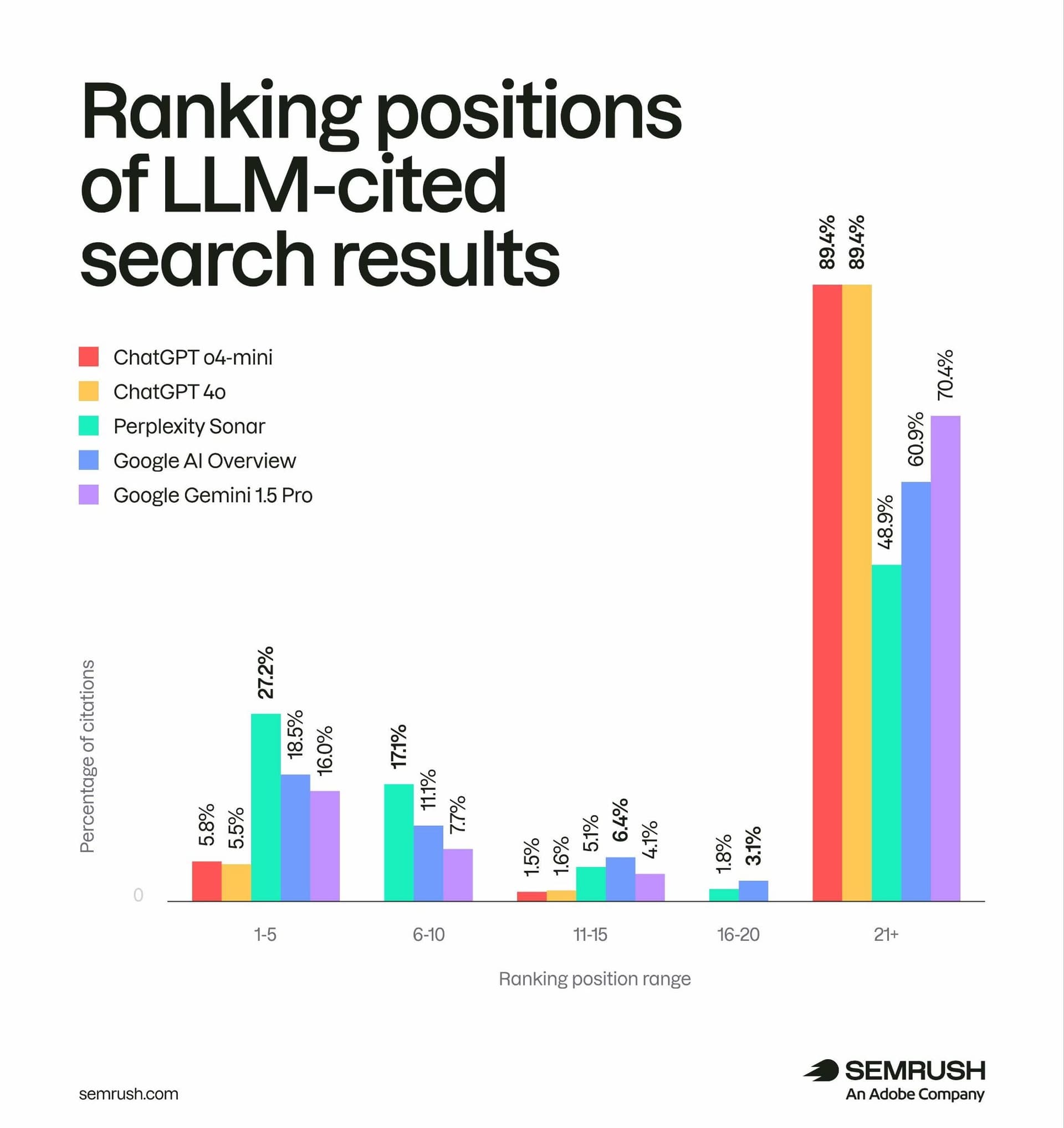
AI-driven discovery is now part of the planning process, and Google’s late-June 2026 documentation updates underline why. New guidance on optimizing for generative AI features on Google Search shows that the environment is still changing, and that agencies need frameworks that can adapt as search surfaces evolve. A gap analysis built only around classic blue-link rankings will miss where visibility is now being shaped by AI features, not just traditional results pages.
That does not mean abandoning keyword research. It means treating keyword coverage as one input among several, and updating the editorial plan whenever new search behavior or new presentation layers appear. Agencies that keep the framework current can justify ongoing optimization work instead of treating the analysis as a one-time audit.
The benchmark context for B2B content teams
Content Marketing Institute and MarketingProfs surveyed 1,186 global marketers between June and August 2024 for the 2025 B2B content marketing outlook, and the report’s key findings were based on 980 B2B marketers. Content strategy is being shaped in a benchmark-heavy environment where teams are comparing performance, not guessing at it.
For agencies, that creates room to sell a more rigorous planning model. If clients are already measuring against peer benchmarks, then a content gap analysis that incorporates audience questions, product friction, and category coverage feels less like a creative exercise and more like revenue infrastructure. It gives agencies a way to explain why the next phase is not another content batch, but a fuller map of the market.
What this means for growth-minded agencies
The strongest use of gap analysis is not to produce a longer keyword list. It is to identify where a client can own more of the category narrative, cover more of the decision process, and support more of the buying journey with usable content. That opens the door to larger retainers, broader briefs, and clearer proof that content work is tied to visibility and demand creation.
This article was produced by Prism’s automated news system from verified source data, official records, and press releases, then run through automated quality and moderation checks before publishing. The system is built and supervised by the people who set the standards it runs under. Read our full AI policy.
Did this article answer your question?