Semrush guide rethinks keyword research around business value, AI visibility
Semrush’s new playbook turns keyword research into a revenue filter, helping agencies chase terms that can win demos, sales, and AI visibility.
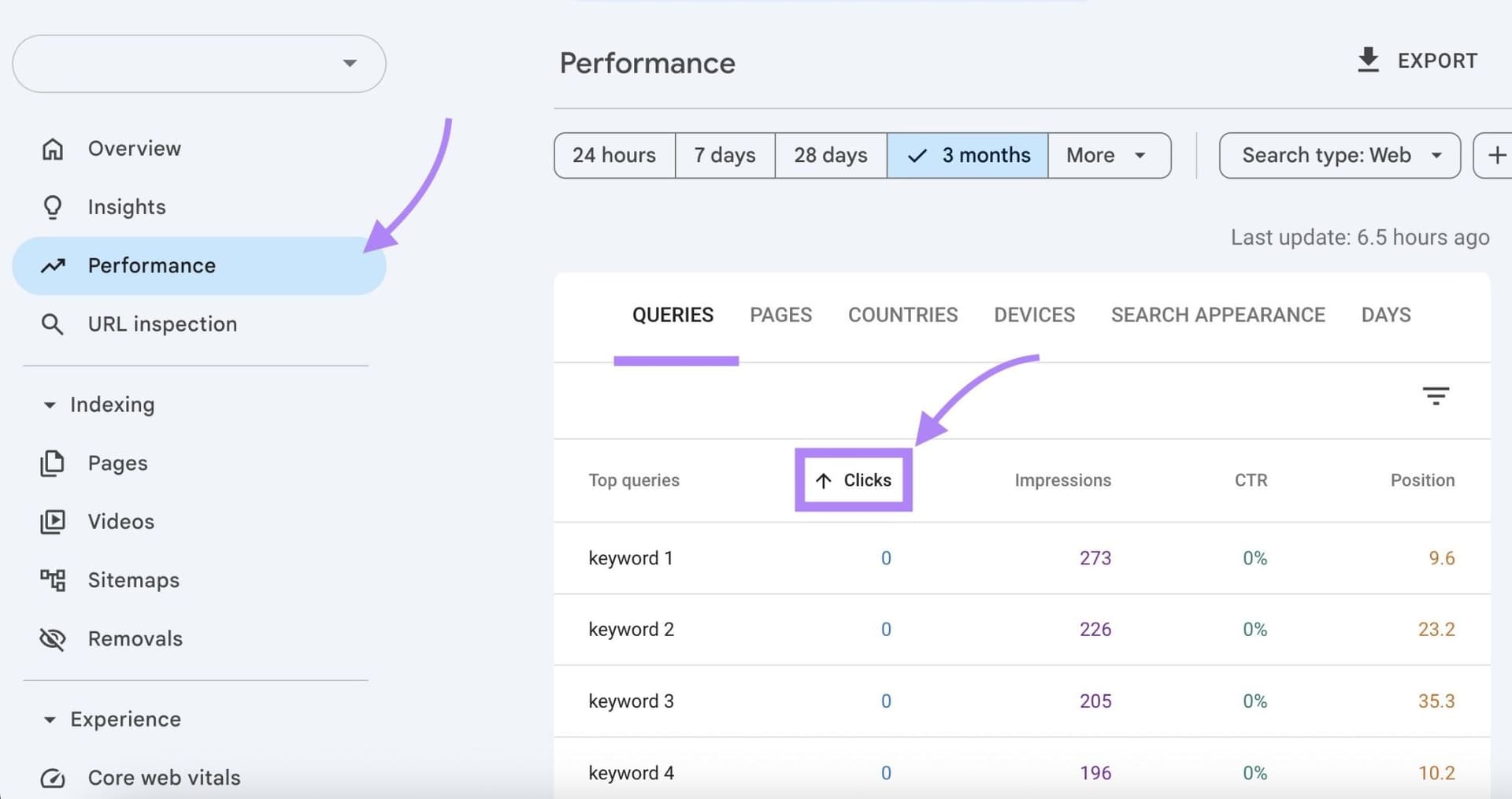
Semrush is pushing keyword research far beyond a search-volume spreadsheet. The new message is blunt and useful for agencies: the best terms are not just the ones with the biggest audience, but the ones most likely to drive revenue, demo requests, sign-ups, and durable brand visibility.
Business value now beats raw volume
The shift matters because keyword research still sits at the center of content strategy, but the question has changed. It is no longer enough to ask which terms exist. The smarter question is which terms are worth pursuing for a specific client, audience, and commercial goal. That reframing gives agencies a stronger way to talk about retention, because every recommendation can be tied back to business impact instead of abstract traffic potential.
Semrush’s framework makes that commercial logic explicit. The guide tells marketers to filter every keyword by whether it can drive awareness, AI visibility, leads, or direct purchases. That is a practical move for teams working with limited budgets, because it replaces broad keyword chasing with a clearer ranking of opportunity. It also gives account teams a cleaner story in client meetings: this term is not just hard or easy, it is valuable or not valuable.
Why keyword research still matters in an AI-first search world
Semrush does not argue that keyword research is obsolete. It argues the opposite. Keyword research matters because it reveals the questions people ask, the language they use, the alternatives they compare, and where they sit in the buying journey. In other words, it still helps teams understand demand, but now it has to do that work across more surfaces than Google alone.
That broader search reality is why the guide lands now. Google introduced AI Overviews at Google I/O in May 2024 and rolled them out to users in the United States. Google said people had already used AI Overviews billions of times through Search Labs before the wider rollout, and the company later said the feature was expected to reach over a billion users by the end of 2024. OpenAI then launched ChatGPT search on October 31, 2024, framing it as a way to connect people with original, high-quality web content inside a conversation.
Pew Research Center added another reason agencies have to adjust. In July 2025, it reported that 58% of surveyed U.S. adults had conducted at least one Google search that produced an AI-generated summary in March 2025. Pew also found that users were less likely to click links when an AI summary appeared, which means a keyword can still matter even when it no longer produces the same kind of click-through it once did. The implication is straightforward: visibility still counts, but the path from query to conversion is changing.

The three changes redefining keyword research
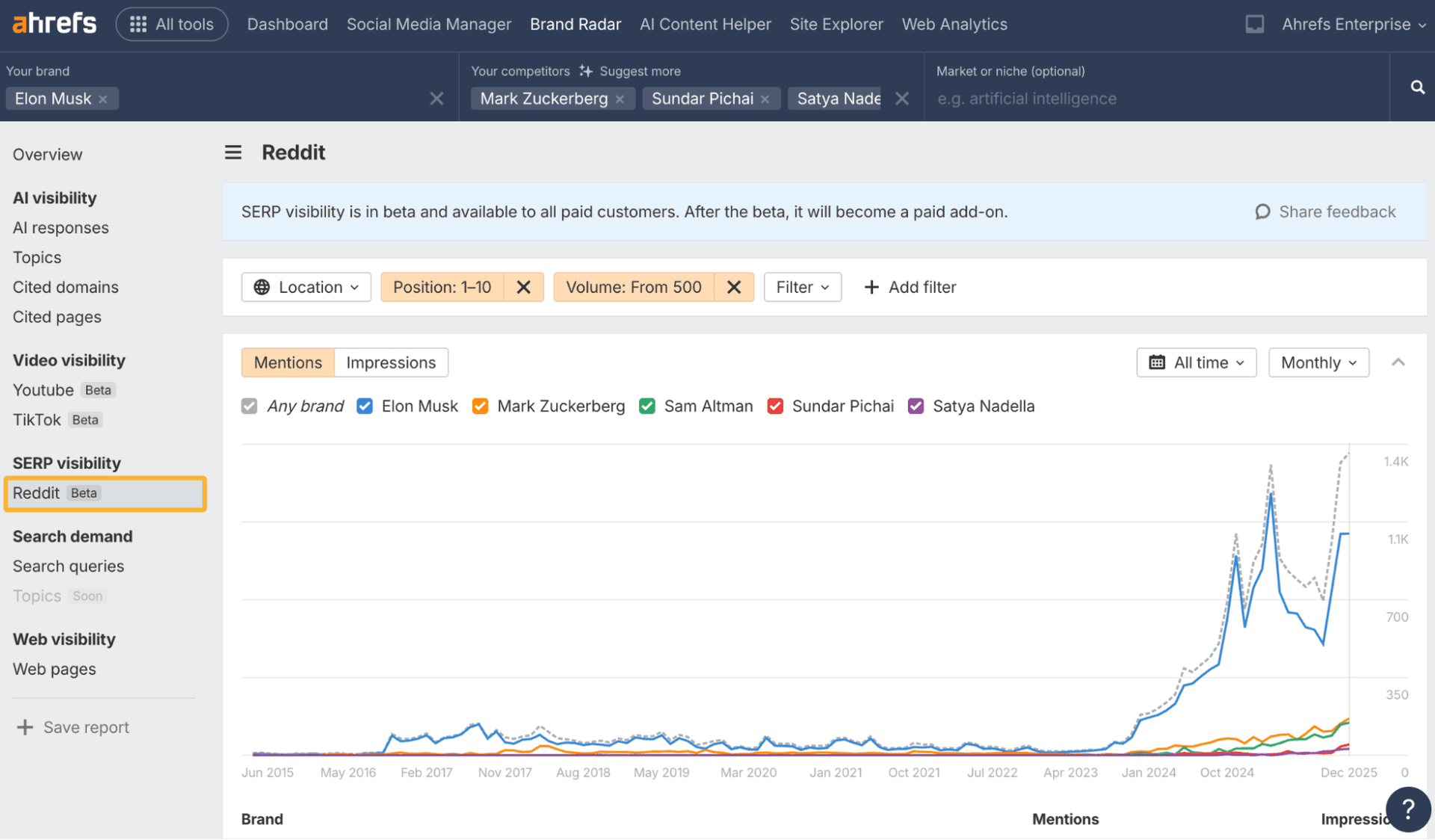
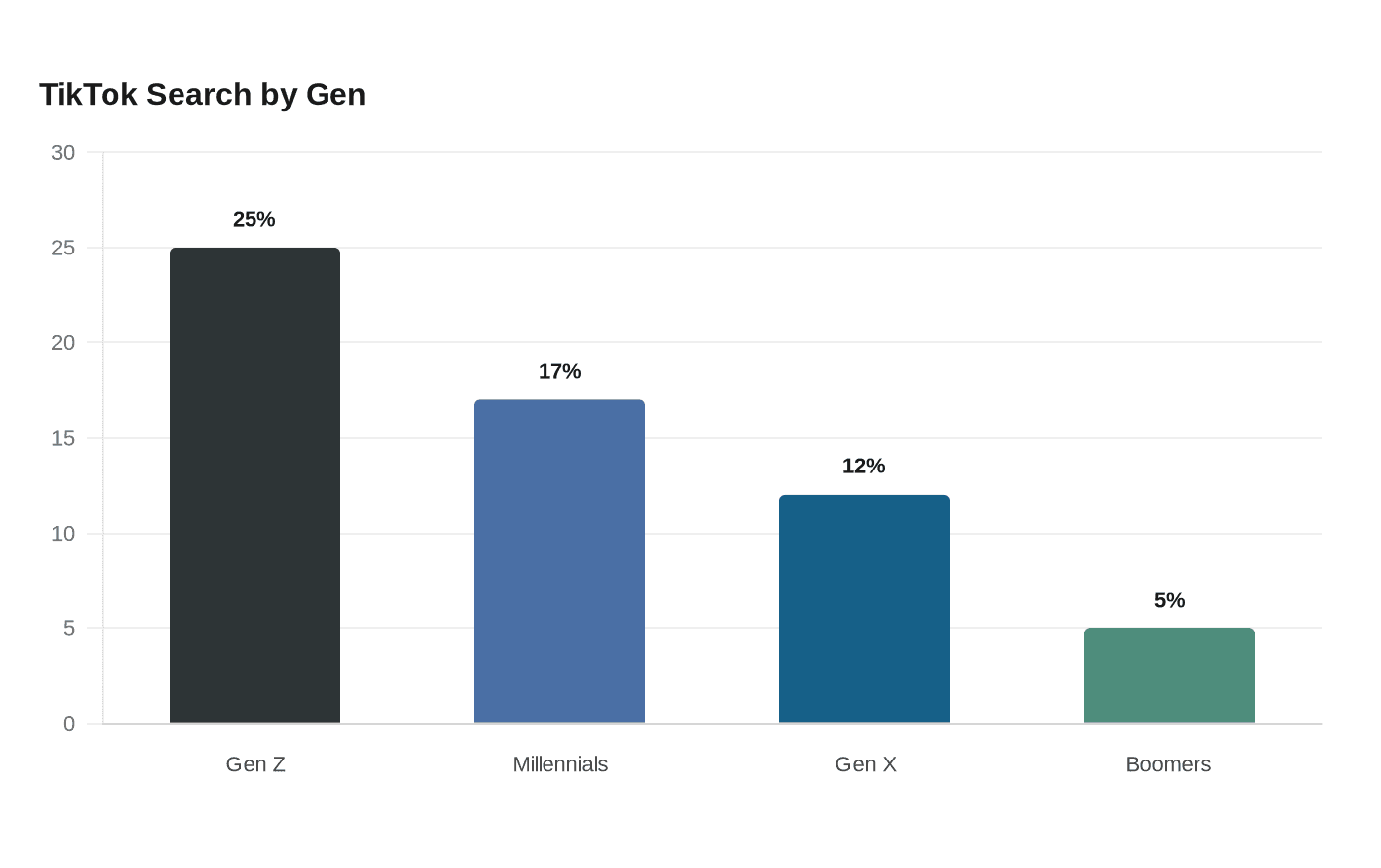
Semrush says keyword research has shifted in three major ways. First, the old volume-first model is giving way to a business-value-first model. Second, Google-only thinking is being replaced by search-everywhere behavior, with people now looking for answers across Reddit, Amazon, ChatGPT, and more. Third, simple query matching is giving way to prompt research, which reflects the longer, more conversational queries people use in AI interfaces.
That combination changes how agencies should choose their targets. A keyword with modest volume can still be a better bet if it maps to a high-intent buyer question, surfaces well in AI summaries, or captures a comparison stage that leads to a demo request. A popular term that never converts, by contrast, can become expensive theater. The guide’s value is that it gives teams a rationale for saying no to that trap.
How the six-way discovery model supports better prioritization
Semrush’s guide lays out six ways to uncover valuable keywords, then adds a prioritization framework so marketers can decide what to target first. The exact benefit is not just discovery, it is ordering. Agencies do not need more lists of terms as much as they need a better system for deciding which list items deserve content, budget, and calendar space.
That is where the business-value lens becomes especially useful. Instead of treating all potential keywords as equal inputs, teams can sort them by commercial relevance and the role they play in the funnel. A term tied to awareness may deserve a top-of-funnel explainer. A term tied to comparison or purchase intent may deserve a product-led landing page, a stronger proof stack, or a conversion-focused brief. A prompt-style query may require language that sounds natural in a conversational interface rather than a page built around one exact match phrase.
What agencies should change in reporting
This is where the framework becomes a retention tool. If clients now expect SEO to connect to revenue, agencies need reporting that shows more than rankings and visits. The cleanest reports will connect keyword groups to the outcomes that matter most to the account.
- demo requests and lead volume from commercial-intent queries
- sign-ups and purchases from lower-funnel searches
- AI visibility across search engines and AI platforms
- brand exposure for awareness terms that influence future demand
- topic coverage that supports both Google results and AI citations
That means reporting should emphasize:
Semrush’s January 23, 2026 AI visibility guide made the same strategic point from another angle, arguing that search marketers need to measure and grow visibility across search engines and AI platforms. Its April 22, 2026 keyword research guide reinforced the direction again, saying keyword research should help create content that appears in search results and AI citations on platforms like ChatGPT, Gemini, and Google AI Overviews. Put together, the message is consistent: reporting now has to show where visibility is happening, not just where rankings are moving.
What agencies should change in content briefs and quarterly roadmaps
The briefing process has to change as well. A good content brief can no longer stop at keyword density, headline ideas, and a target word count. It needs to spell out the business outcome, the ICP pain point, the buying stage, the objections that need to be answered, and the AI surfaces the content should be built to appear in.
Quarterly roadmaps should also become more selective. Instead of filling a calendar with the highest-volume opportunities, agencies can build a portfolio that balances awareness, AI visibility, lead generation, and direct-response content. That gives client teams a stronger narrative in budget discussions, because each piece of content earns its place by supporting a clear business objective. It also creates a natural path for upsell conversations around AI visibility monitoring, content refreshes, and strategic reallocation toward the queries most likely to compound.
Semrush’s latest framing reflects a broader industry reality. Search has fragmented, AI can intercept clicks earlier, and query value is now measured by what it can do for the business, not just how many people type it in. Agencies that adapt to that shift will spend less time defending traffic targets and more time proving they know how growth is actually created.
This article was produced by Prism’s automated news system from verified source data, official records, and press releases, then run through automated quality and moderation checks before publishing. The system is built and supervised by the people who set the standards it runs under. Read our full AI policy.
Did this article answer your question?