Semrush guide says SEO writing must win in Google and AI answers
SEO writing now has to earn a place in Google and AI answer engines, and Semrush says agencies need a new content system, not just better copy.
Semrush is pushing SEO teams to rethink writing as a visibility system, not a last-minute polish pass. Its June 10, 2026 guide says content now has to work across Google, ChatGPT, Perplexity, Gemini, and similar AI surfaces, which means agencies need to build pages that can be found, understood, and cited in more than one place.
SEO writing is now a multi-surface discipline
The core message is simple: good writing is no longer enough if the page cannot be discovered, and optimization alone is not enough if readers do not find the content valuable. Semrush defines SEO writing as writing content to earn visibility in search engines and AI platforms, which places intent, structure, and credibility on the same level as clean prose.
That framing matters because the distribution model for information has changed. Google’s ranking systems are designed to prioritize helpful, reliable, people-first information, while OpenAI says ChatGPT search provides fast, timely answers with links to relevant web sources, and its help documentation says search responses may include inline citations. Perplexity describes itself as an answer engine that researches the open web in real time and returns concise, cited answers. In practice, content now has to survive both the classic search results page and the answer box, citation block, or AI-generated summary.
Start with briefing, not drafting
Semrush’s guidance makes the planning stage do more of the heavy lifting. The first move is to choose one primary keyword, then match the page to search intent before a draft is written. That is a useful correction for agencies that still treat keyword selection as a box to tick after the first draft comes back from a writer.
For client work, this becomes a briefing discipline. A strong brief should define the primary query, the audience’s likely intent, the angle the page will own, and the evidence needed to make the page credible. That is the kind of operational shift agencies can sell as a 2026 content offering: less ad hoc content production, more discovery-led planning that supports both Google visibility and AI answer inclusion.
Structure is now part of the deliverable
Semrush also emphasizes article structure because search engines and AI systems need clean signals to understand what a page is about. That means headings are not just formatting aids. They are part of the page’s machine-readable logic, helping systems parse topics and decide whether the content deserves to surface.
Google’s own SEO guidance reinforces that point. Its internal linking documentation says anchor text and internal links help both people and Google make sense of a site and find other pages more easily. For agencies, that creates a clear operating model: every page should be built to connect to the wider topic cluster, not stand alone as a one-off asset.
A practical content workflow now looks more like this:
- define the primary keyword and the intent behind it
- map the article into sections that answer the query in order
- use headings that clearly describe the content of each section
- add internal links that guide both readers and crawlers to related pages
- include external links where they strengthen relevance and credibility
That structure helps traditional rankings, but it also improves the odds of being selected for AI answers, where clarity and sourceability matter as much as volume.
Evidence is becoming a visibility signal
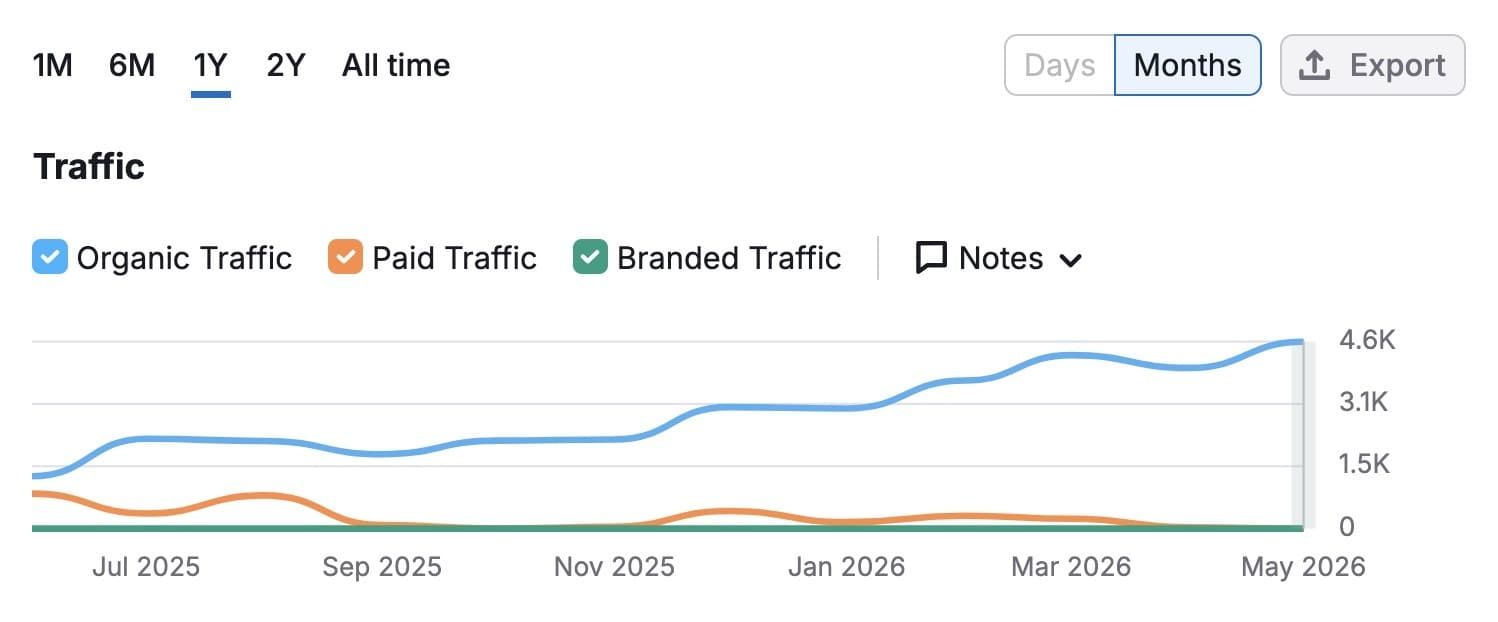
Semrush’s own example shows why evidence-driven content can compound. Its backlink guide, the company says, has grown to more than 4,500 monthly organic visits and appears in 157 AI-platform prompts. That is a strong proof point for agencies selling premium SEO writing: a single well-built piece can keep earning attention long after publish date if it is structured around a durable topic and supported with enough authority signals.
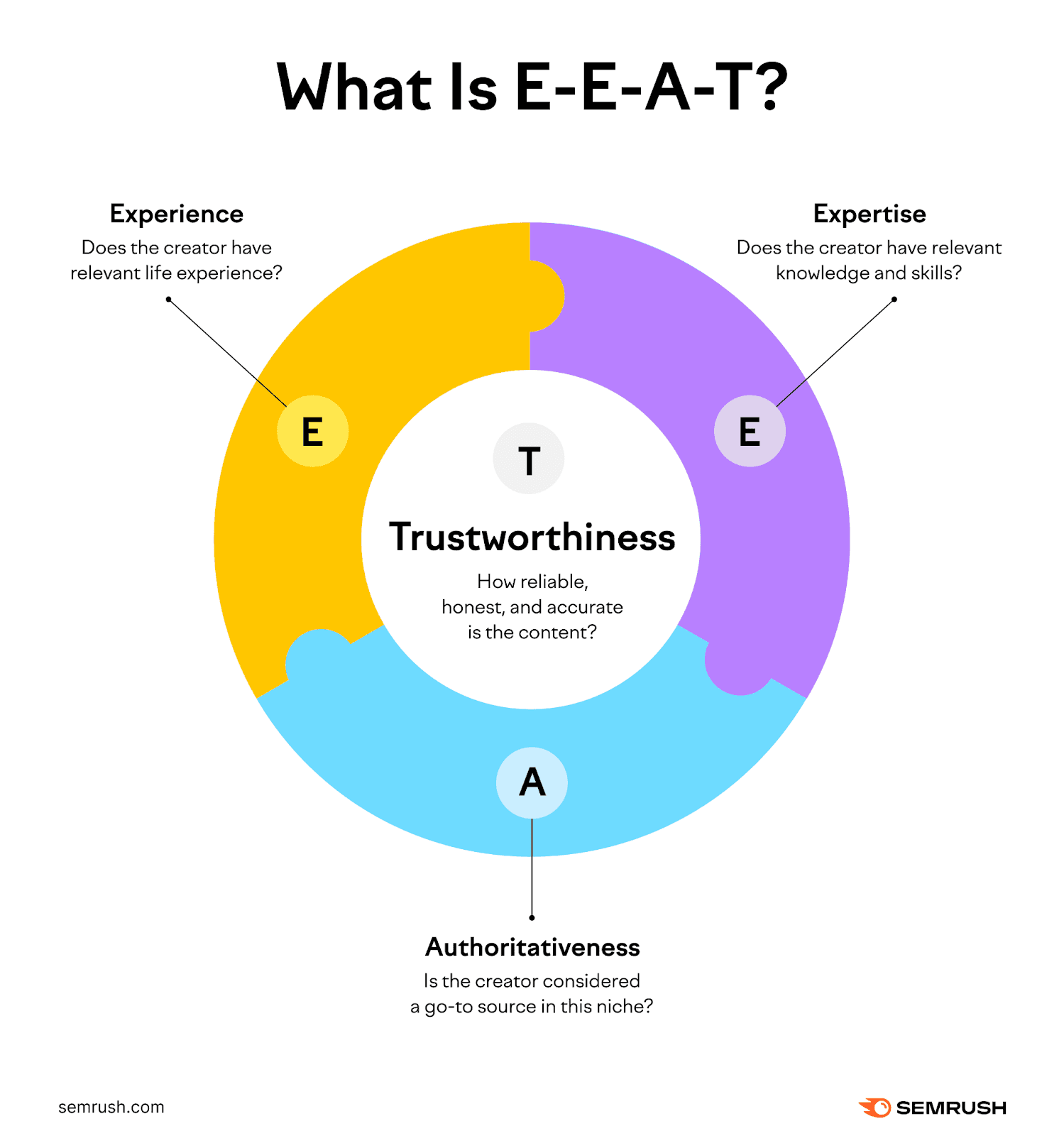
The lesson is not simply to add more links. It is to use evidence deliberately. External links can strengthen credibility, while internal links show how a page fits into a broader expertise cluster. In AI-driven discovery, that matters because answer engines are choosing from a wider pool of pages and are more likely to surface sources that read as clear, useful, and well connected.
AI search is changing the traffic equation
The urgency behind all this is visible in the data. Ahrefs found that in a study of 15,000 prompts, only 12% of links cited by ChatGPT, Gemini, and Copilot appeared in Google’s top 10 for the same prompt. Perplexity was the exception, with nearly 1 in 3 citations pointing to pages in Google’s top 10. That suggests Google rankings still matter, but they are no longer the only gatekeeper for visibility in AI discovery.
SparkToro adds another layer of pressure. The company reported that 68.01% of Google searches in the United States during the first four months of 2026 ended without a click, up from 60.45% in 2024. For agencies, that is a warning sign and an opportunity at once. If more queries end without a site visit, the value of content cannot be measured only by click-through rate. It has to be measured by whether the brand appears, is cited, or is trusted in the moments when answers are being assembled.
What this means for agency offers
Semrush’s broader point is that SEO writing should stop being treated as a final-stage deliverable. It is a system that includes research, intent mapping, heading structure, linking, and clear topical positioning. That makes it easier to package as a higher-value service, especially for clients who want performance across Google and AI answer engines at the same time.
That changes the commercial pitch in a useful way. Agencies can justify retainers around discovery strategy, content architecture, and multi-surface visibility rather than around article counts or production volume alone. It also gives teams a better defense when traditional clicks become less predictable, because the value proposition shifts from “we publish content” to “we build content that can be found, understood, and cited wherever people search.”
Semrush’s guide is really a signal that the content market has moved again. The winners will be the teams that brief more carefully, structure more clearly, use evidence more intelligently, and distribute content with both Google and AI answer engines in mind.
This article was produced by Prism’s automated news system from verified source data, official records, and press releases, then run through automated quality and moderation checks before publishing. The system is built and supervised by the people who set the standards it runs under. Read our full AI policy.
Know something we missed? Have a correction or additional information?
Submit a Tip