Semrush update maps nine SEO tactics for Google's 2026 search
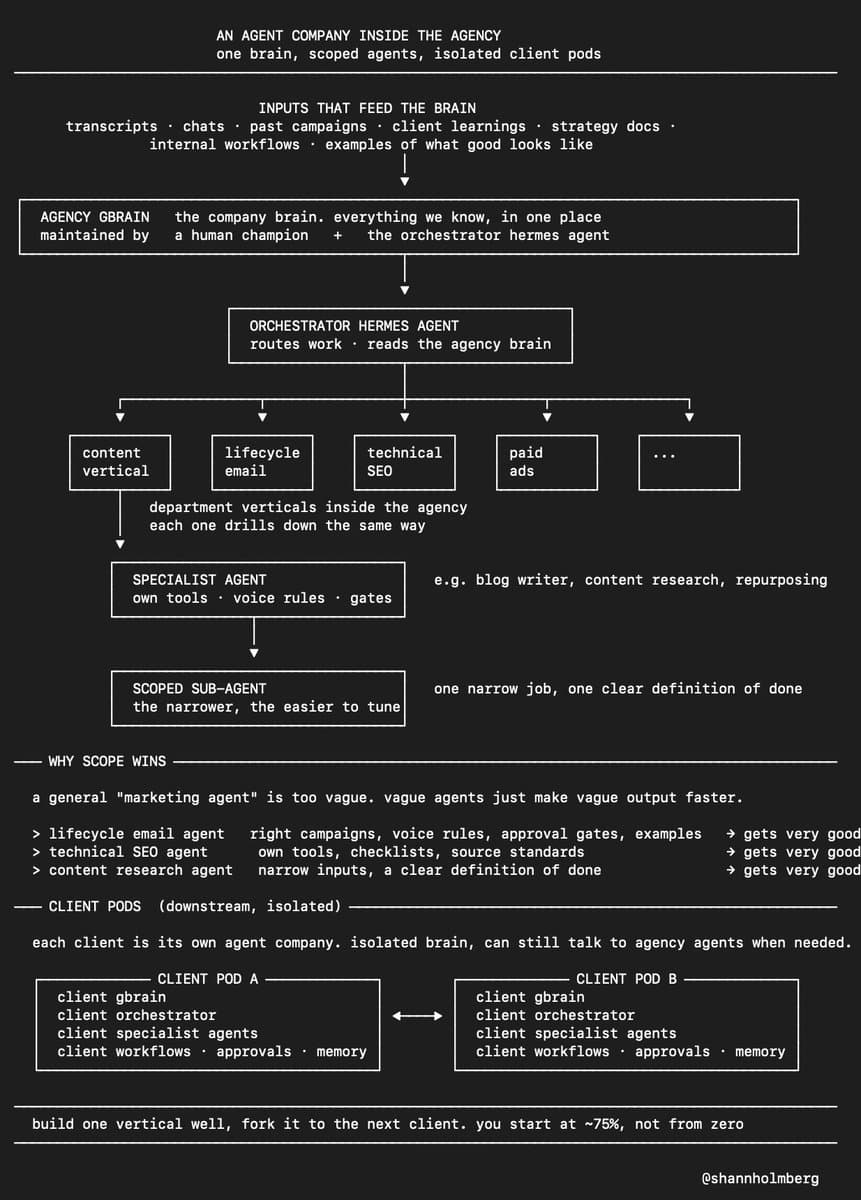
Semrush’s nine-tactic playbook is really an agency operations manual: refresh what already works, standardize the fixes, and turn AI-era visibility into repeatable wins.
Update existing content
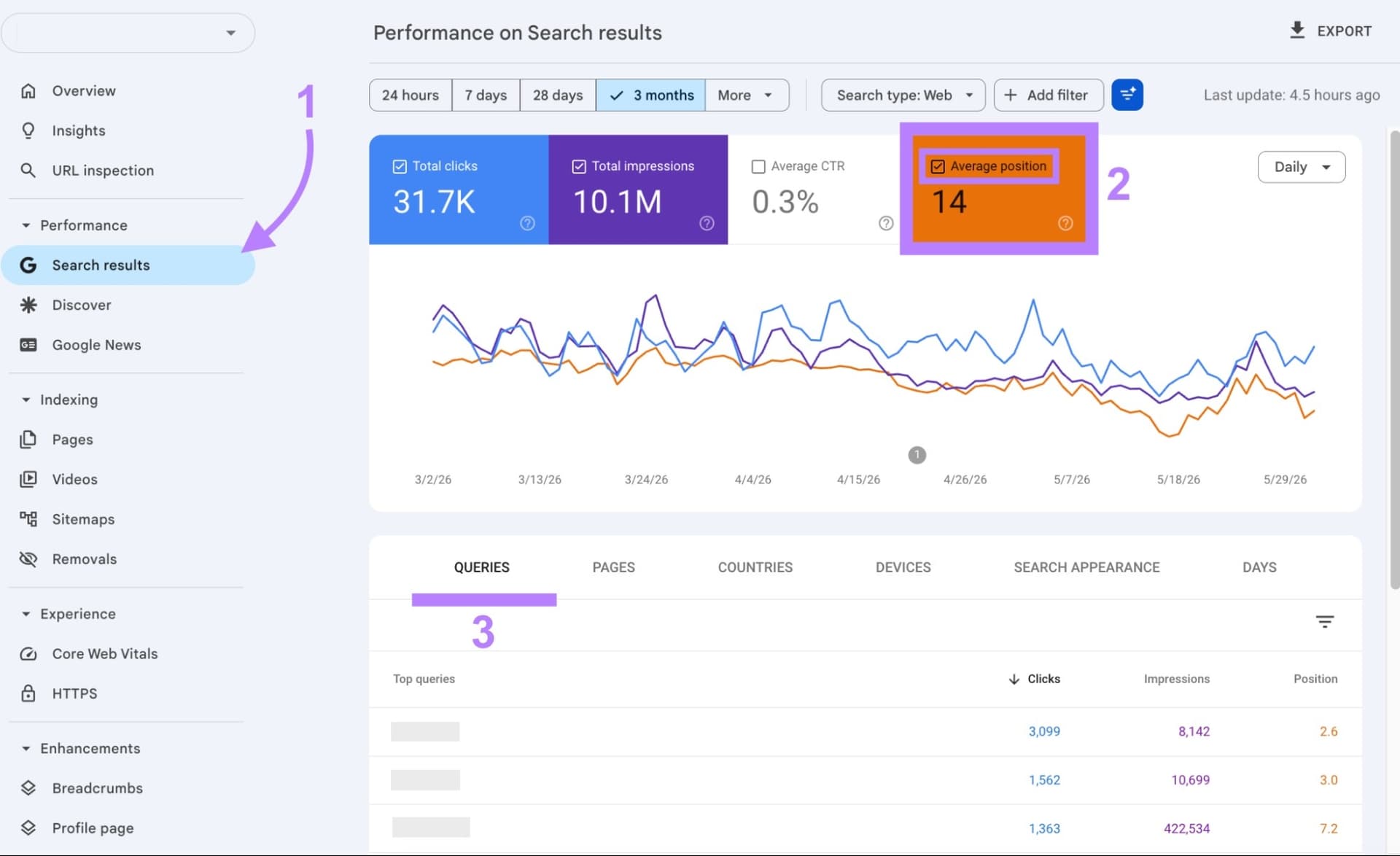
The quickest path to durable growth is often the least glamorous one: improve pages that already have some traction. Semrush’s take is blunt about the 2026 search environment, where Google weighs content quality, technical health, authority signals, and user experience together, so a stale page with some equity is often a better asset than a brand-new URL with none. For agencies, that makes content refreshes one of the most scalable services in the stack, because the same audit model can run across dozens of accounts.

This is also the fastest way to produce visible wins that help retention. A simple SOP can flag pages with declining clicks, outdated facts, thin sections, or weak answers to the queries they already rank for, then route them into a refresh queue with editorial, SEO, and approval steps. Google’s guidance still points to helpful, reliable, people-first content, which means updates should sharpen usefulness, not just add words.
Target lower-competition keywords
Lower-competition keyword work remains one of the cleanest ways to build momentum without fighting every market heavyweight at once. The advantage for agencies is operational: keyword discovery, difficulty scoring, and intent mapping can be templated, then rolled out across client portfolios with little reinvention. It is one of the best examples of execution discipline becoming a growth advantage, because the process is repeatable even when the niches differ.
The practical win is speed. When a client sees new pages climb for specific, lower-friction queries, the value of the retainer becomes tangible fast, especially when those pages are paired with tight internal linking and useful content. A strong SOP here should define how to choose the opportunities, what qualifies as “low competition” for the account, and how to connect each page to a broader topic cluster so it does not become isolated content.
Improve user experience
User experience is no longer a side note, and Google has been clear that page experience is about the whole picture, not a single metric. Core Web Vitals matter, but so do HTTPS, mobile usability, intrusive interstitials, and whether the main content is presented clearly. That makes UX work ideal for agencies that want a system-wide improvement lever, because the same checklist can be applied sitewide instead of page by page.
This tactic tends to pay off in client trust as much as in rankings. When pages load cleanly, layout shifts disappear, and key information is easy to find, the improvement is visible to everyone from the marketing director to the sales team. Agencies should turn this into a repeatable QA motion: measure the problem, log the fix, confirm the before-and-after impact, and feed the result into a client-facing report that shows progress in plain language.
Strengthen on-page SEO
On-page SEO is still one of the highest-leverage ways to make a page easier for both people and search systems to understand. Google’s Search Essentials continues to emphasize using the words people actually search for in prominent places like titles and headings, while avoiding content that is built mainly to manipulate rankings. That makes on-page work a natural fit for agencies that need a repeatable, low-friction system for improving many pages at once.
The best agencies do not treat this as a one-off rewrite. They build SOPs for title testing, heading hierarchy, internal links, concise summaries, and schema that matches visible content, then apply the same framework across multiple accounts. Because this work is easy to QA, it is one of the fastest ways to standardize quality and reduce the variance that comes from having too many pages edited by too many hands.
Maintain technical SEO
Technical SEO is where execution discipline becomes infrastructure. Google’s systems reward sites that are accessible, crawlable, and structurally sound, and the company’s AI guidance still says there are no extra requirements to appear in AI Overviews or AI Mode beyond foundational SEO best practices. That means the technical basics are not being replaced by AI features; they are becoming even more central.
For agencies, technical hygiene is a highly scalable retention play because it creates visible stability. Crawl errors, broken redirects, index bloat, and script issues are painful for clients to live with, and fixing them usually produces an immediate sense that the account is being actively managed. The smartest SOPs here include recurring crawls, canonical checks, indexation reviews, and a clear handoff path to developers when fixes need engineering support.
Build quality backlinks
Backlinks still matter, but the agencies that win treat link acquisition as a quality system, not a volume contest. Semrush’s framing fits the broader Google guidance: authority signals are one part of the picture, and they only work when the surrounding content and experience are strong. That makes link building a durable service line when it is tied to relevance, editorial value, and measurable outcomes.
This tactic is less instantly scalable than content refreshes or on-page cleanup, but it is still highly systematizable. A repeatable SOP can separate prospecting, qualification, outreach, and placement review, while also setting hard standards for link quality and topical fit. Agencies that package this well can show clients a clear ladder of progress: improved authority, stronger visibility, and a healthier link profile that supports every other SEO effort.
Win more AI Overviews
AI Overviews are not a separate optimization universe, and that is the most important message for agencies selling into the AI era. Google says these features are rooted in its core Search ranking and quality systems, and it has explained that the responses use retrieval-augmented generation and query fan-out to surface supporting links. In other words, the same fundamentals still govern discoverability, even when the presentation layer changes.
The opportunity is real, though. Google said AI Overviews were brought to everyone in the United States in 2024, later expanded to more than 200 countries and territories and more than 40 languages, and Semrush’s 2025 study found AI Overview coverage rising from 6.49% of keywords in January 2025 to nearly 25% in July before settling at 15.69% in November. For agencies, that means the fastest path is not a separate “AI package,” but an SOP built around unique, valuable content, visible evidence, structured data that matches the page, and content that answers complex questions cleanly.
Consolidate overlapping pages
Consolidation is one of the most underrated agency wins because it often solves a problem clients can feel but not always diagnose: signal fragmentation. Google’s canonicalization guidance is straightforward, when a site has duplicate content, Google chooses the canonical URL. That makes URL consolidation especially valuable for large content libraries, multi-location businesses, and ecommerce catalogs where near-duplicate pages can dilute performance.
This tactic scales unusually well because it is process-driven. Agencies can build a page inventory, identify overlaps, map cannibalization, and apply a consistent decision tree for merges, redirects, canonicals, or rewrites. The retention upside is immediate when a client sees cleaner reporting, fewer competing pages, and more authority concentrated on the URLs that deserve to rank.
Demonstrate genuine E-E-A-T
E-E-A-T is where all the other tactics converge into trust. Google’s guidance on helpful content is explicit that systems prioritize information made for people, not material created mainly to game rankings. For agencies, that means credibility is not a decorative layer, it is a repeatable operating standard that should be visible in author bios, editorial review, sourcing, expertise, and the way claims are supported on the page.
This is also one of the best long-term SOP opportunities because it can be standardized across accounts without losing authenticity. Build a checklist for expert review, clear bylines, source validation, and page updates when facts change, then make those steps part of every content workflow. In a search environment where quality, trust, and user experience are all evaluated together, genuine E-E-A-T is less a slogan than the backbone of sustainable agency growth.
This article was produced by Prism’s automated news system from verified source data, official records, and press releases, then run through automated quality and moderation checks before publishing. The system is built and supervised by the people who set the standards it runs under. Read our full AI policy.
Know something we missed? Have a correction or additional information?
Submit a Tip