Semrush warns duplicate content and basic fixes still drive SEO gains
Duplicate pages, weak titles and sloppy metadata still drain SEO performance. Semrush says the fastest gains still come from fixing the boring issues first.
Basic cleanup still beats shiny tactics
When a site starts growing quickly, the fastest SEO wins often come from fixing what is already there. Carlos Silva’s Semrush guide makes a clear case that visibility improves most when you catch the problems that are easiest to miss: duplicate URLs, weak canonical signals, and title and description tags that do not tell search engines or users what a page is for. That kind of work matters because it improves search clarity and gives agencies a repeatable service they can package, sell, and scale.
Duplicate content still creates messy signals
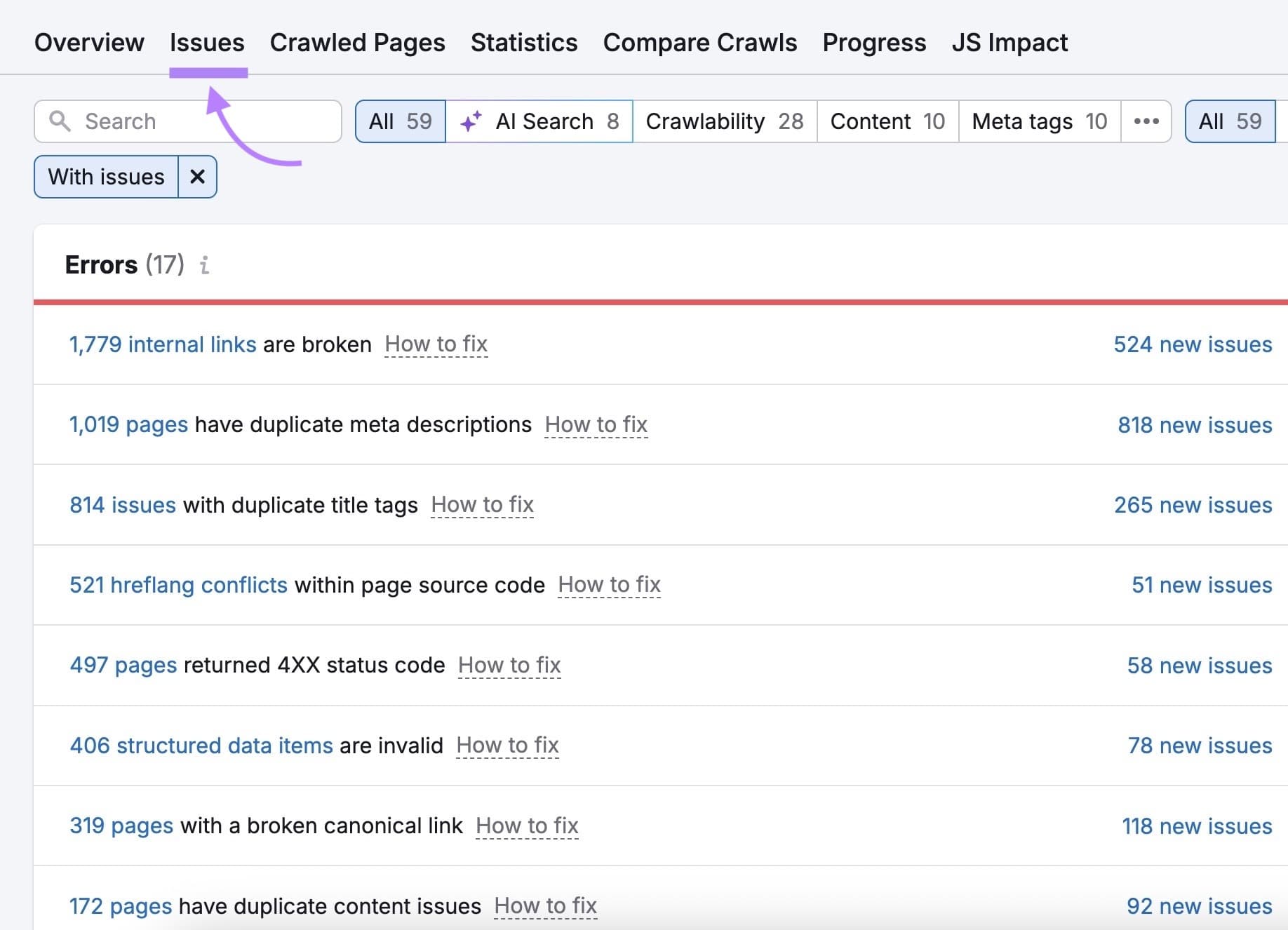
Semrush warns that near-identical pages can confuse both traditional search engines and AI search systems, which can lead to chaotic ranking outcomes or the wrong page being surfaced. The fix is practical rather than dramatic: make pages unique where possible, use canonical tags to identify the preferred version, and deploy 301 redirects when duplicate pages are no longer needed. Semrush’s Site Audit adds a concrete benchmark by flagging duplicate content when pages are 85% similar, giving teams a threshold they can build into regular crawls and QA checks.
Google’s documentation supports that approach. Google defines canonicalization as selecting the representative canonical URL from a set of duplicate pages, and it says it may choose a different canonical than the one a site owner specifies if another version appears better for users. That matters on large or fast-changing sites, where canonical and metadata decisions are part of the broader crawling and indexing system, not just a housekeeping detail. If duplicate clusters keep behaving unpredictably, Google Search Central recommends using URL Inspection to see which page Google actually considers canonical.
Title links and meta descriptions still shape clicks
The guide also treats metadata as a live ranking-supporting lever, not a relic. Google Search Central says title links are important because they help users quickly understand how relevant a result is, and it says the search engine may use the meta description tag to generate snippets when it believes that text is the most accurate description of the page. Missing, duplicated, too-long, or too-short tags can all hurt discoverability and click-through rates because they shape the first impression before anyone lands on the page.
That makes title and description cleanup one of the simplest ways to unlock visible gains without waiting on a full content overhaul. If the page is technically sound but the snippet is vague, the click can still go elsewhere. If the metadata is duplicated across many URLs, you are giving users and search systems the same blurred signal in multiple places.
Turn cleanup into a repeatable agency offer
The strongest lesson in Semrush’s advice is the workflow mindset. Instead of treating duplicate content, canonicalization, and metadata mistakes as isolated bugs, you can systemize them into audits, QA checklists, and monthly reporting that make progress obvious. That is where agencies earn trust: the client sees a steady stream of fixes, not a one-time patch.
A high-ROI cleanup bundle can include:
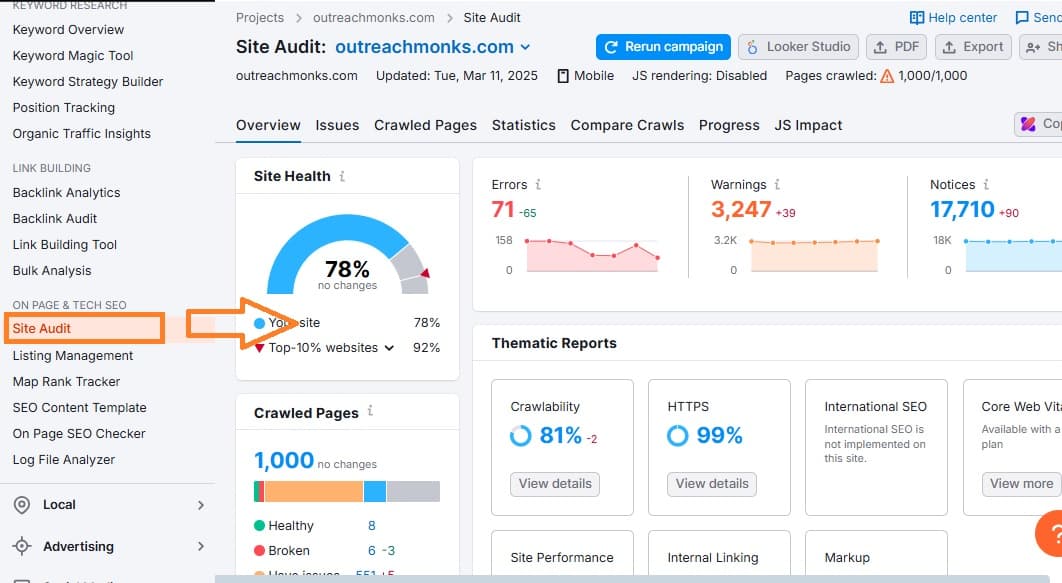
- a Site Audit crawl that isolates duplicate pages and near-duplicates
- canonical reviews for clusters that need a single representative URL
- redirect mapping for pages that should no longer exist
- title tag and meta description rewrites for pages with weak snippets
- internal linking cleanup so the preferred URL is reinforced consistently
- content cannibalization checks so multiple pages are not competing for the same search intent
The last two items turn a basic technical tune-up into a broader content operations offer. Internal links help reinforce the page you actually want to rank, while cannibalization audits stop your own pages from splitting the same demand across too many URLs. That makes the cleanup easier to explain to non-specialists because the result is not just fewer errors, it is clearer ownership of search demand.
Why this still matters in an AI-search world
Search Engine Journal has also framed duplicate-content handling as an ongoing technical SEO issue rather than a one-time fix, and that perspective still fits the current search landscape. In 2024, Google Search Advocate Martin Splitt was quoted describing duplicate content more as an operational and canonicalization challenge than an automatic ranking penalty. That distinction matters because it shifts the goal from avoiding punishment to removing ambiguity.
That is exactly why boring cleanup keeps outperforming flashier tactics. If you normalize duplicate URLs, tighten canonicals, fix metadata, and document the changes in a way clients can understand, you build a service that creates quick wins, steadier retention, and easier upsells. In a market where AI systems and traditional search both reward clarity, the agencies that keep winning are usually the ones that fix the mess everyone else keeps ignoring.
This article was produced by Prism’s automated news system from verified source data, official records, and press releases, then run through automated quality and moderation checks before publishing. The system is built and supervised by the people who set the standards it runs under. Read our full AI policy.
Did this article answer your question?