SEO agency hits $500k pre-graduation by targeting overlooked local niches
A student-run SEO agency crossed $500,000 before graduation by ditching broad pitches for tax firms, HR shops and AI-assisted local fulfillment.

An SEO agency owner turned overlooked local niches into a fast-growth machine, passing $500,000 in revenue before graduation by focusing on tax firms, HR services and other categories bigger agencies often ignore. The model worked because it traded vague, broad SEO promises for a tighter playbook: pick a narrow vertical, build one offer that fits it, and deliver visible wins fast enough to keep clients from churning.
That strategy fits how local search actually works. Google says local results are mainly driven by relevance, distance and prominence, and its Business Profile guidance is explicit that there is no way to request or pay for a better local ranking. In other words, money alone does not buy the map pack. For small agencies, that makes niche choice and execution more valuable than generic retainers, especially when the competition is crowded with firms selling the same keywords, same audits and same monthly dashboards.
The broader market is already moving in that direction. BrightLocal’s 2026 local search statistics say 80% of US consumers search online for local businesses weekly, while 32% do so daily. BrightLocal also says 46% of consumers always or often add “near me” to local queries, which explains why local intent remains one of the easiest places for a specialized agency to create measurable demand. Whitespark’s Local Search Ranking Factors report, built by David Mihm in 2008 and taken over by Darren Shaw in 2017, has become one of the clearest snapshots of what practitioners think is actually moving rankings. Its 2026 survey drew on 47 top local SEO experts, and the signal from the field is consistent: the category choice in Google Business Profile, proximity to the searcher and keywords in the business title still matter a lot.
The agency’s fulfillment model also mattered. Most virtual assistants were replaced with AI agents handling content and reporting, a shift that cut manual labor and made delivery more scalable. Instead of hiding behind slow-moving SEO timelines, the team pushed early wins back to clients quickly. That matters in local SEO, where reviews and visible performance are tightly linked to trust and conversions. Search Engine Land reported in May 2025 that photo-rich, specific Google reviews can help a business rank better in local search, which makes review generation and review quality part of the growth stack, not a side task.
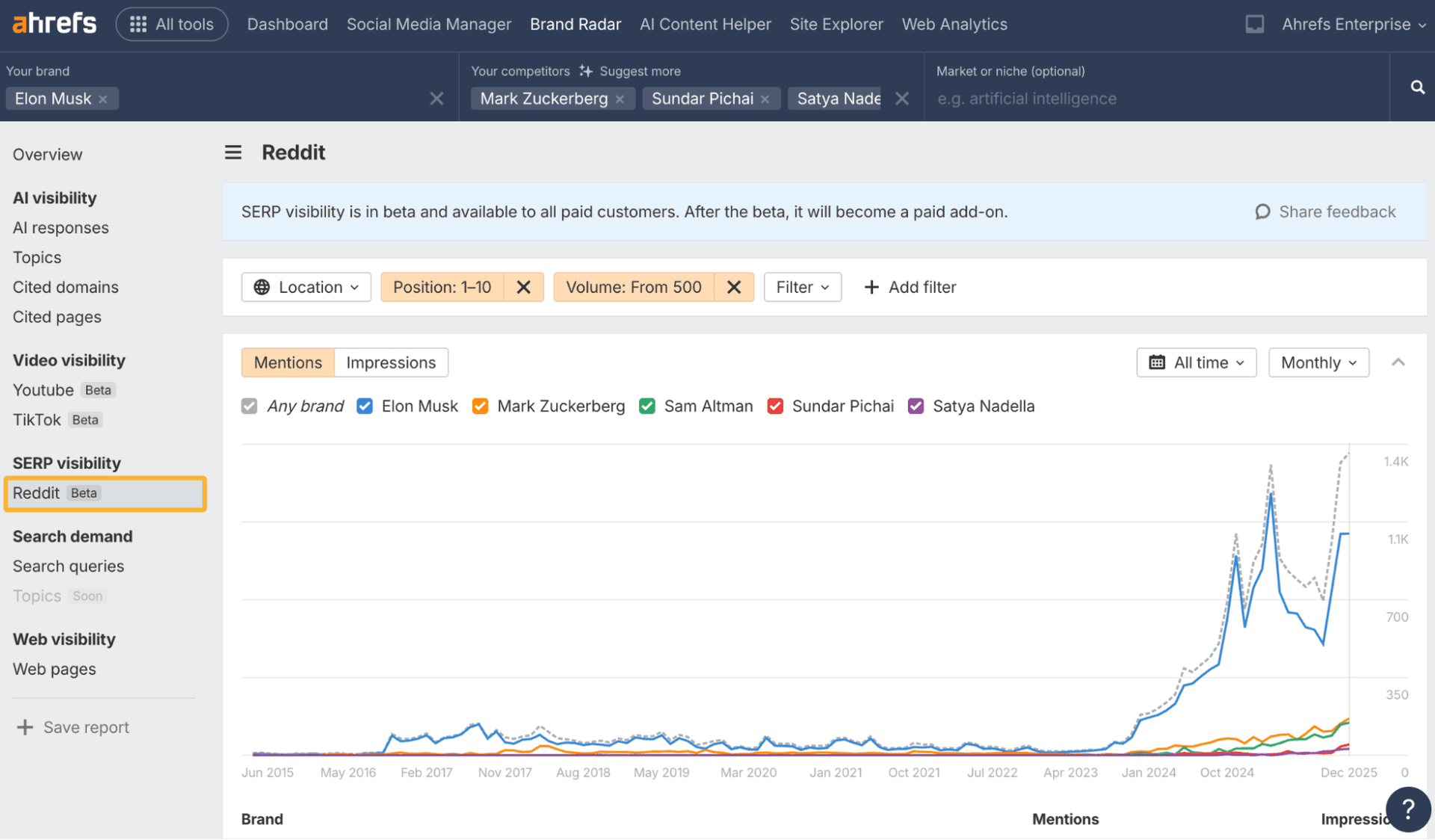
The founder also leaned into AI search, optimizing for signals that show up in Reddit and Google Business Profile reviews. That focus looks well-timed: Google updated its AI search experience in May 2026 to surface more excerpts and expert advice from Reddit and other forums, making firsthand discussion more visible inside search results. For small agencies, the lesson is blunt. Broad SEO is getting harder to defend, but a narrow local niche with AI-assisted fulfillment, strong review systems and disciplined GBP work can still compound fast.
This article was produced by Prism’s automated news system from verified source data, official records, and press releases, then run through automated quality and moderation checks before publishing. The system is built and supervised by the people who set the standards it runs under. Read our full AI policy.
Did this article answer your question?