Website audits protect visibility, conversions, and revenue, Semrush says
Strong audits do more than clean up technical debt. Semrush says they help agencies protect visibility, conversions, and recurring revenue.
Audits as the retainer that keeps paying
A website audit is not just a cleanup exercise. Semrush frames it as a comprehensive look at performance, structure, usability, and content, with one goal: find problems early enough to stop them from becoming expensive losses in traffic, leads, and revenue. For SEO agencies, that makes the audit far more than a one-and-done deliverable. It becomes the start of a recurring relationship built on visible priorities, measurable progress, and a roadmap clients can keep funding.
That shift matters because the strongest audits connect technical findings to business outcomes. A page that loads slowly, a template that confuses crawlers, a title tag that misses the search intent, or a checkout path that leaks conversions all point to the same bottom line. Semrush’s case for auditing is really a case for operational discipline: the agency that finds the right issues first is better positioned to justify retainers, recovery projects, redesign recommendations, and ongoing maintenance.
Why a website audit goes beyond SEO alone
Semrush draws a clear line between a website audit and a narrower SEO audit. An SEO audit focuses on search visibility, but a website audit also covers user experience, content quality, and conversion performance. That broader scope is exactly why agencies can use it to keep clients engaged after the first wave of fixes is done.
The difference shows up in the recommendations. A traditional SEO checklist might stop at missing meta descriptions or weak internal linking. A full website audit goes further, asking whether the page structure helps real users, whether the copy earns trust, and whether the site actually turns visits into leads or customers. That wider view gives agencies more ways to prove value and more reasons to stay involved.
The core areas every modern audit should cover
Technical SEO
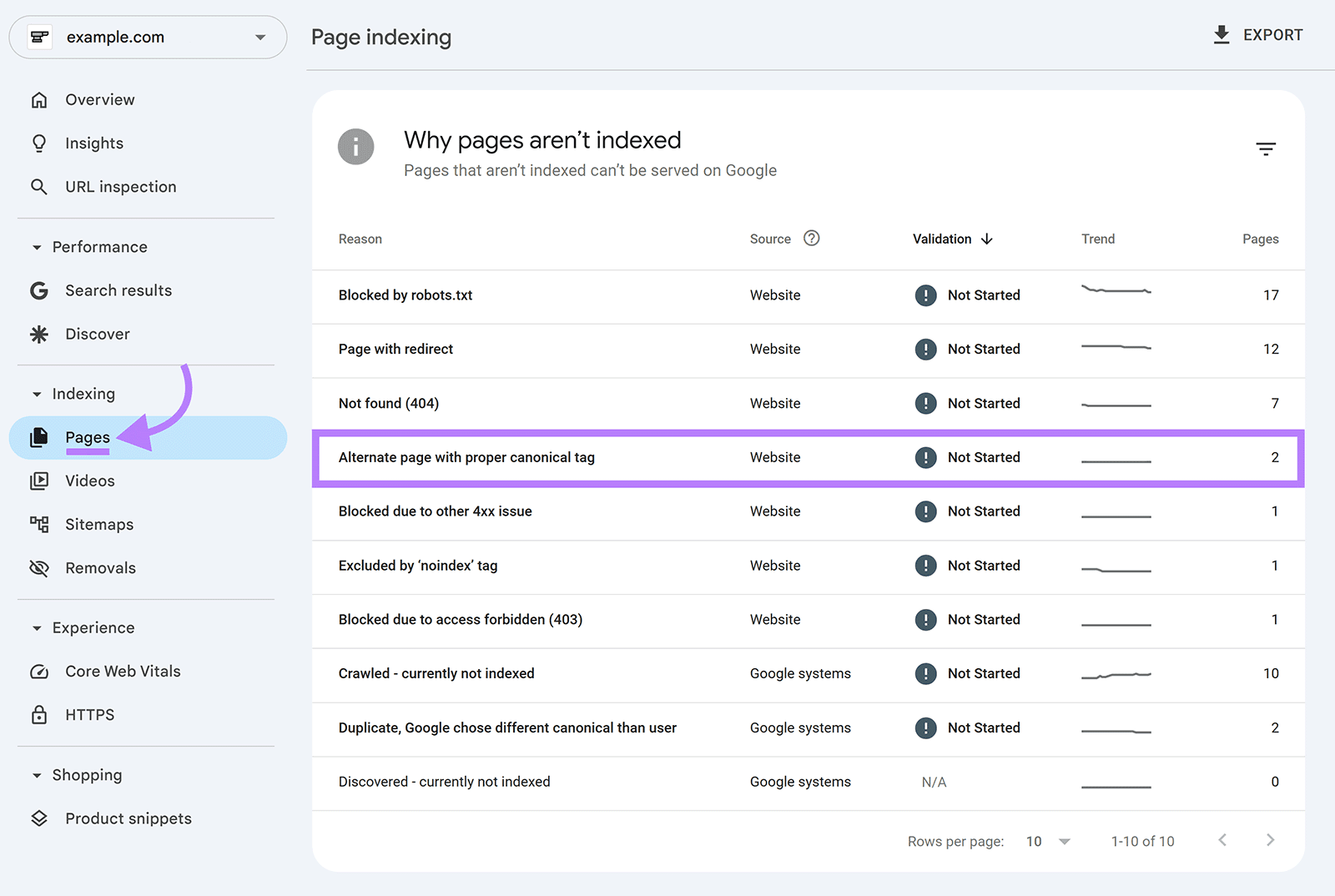
Technical SEO remains the foundation of any serious audit. Semrush highlights site speed, mobile-friendliness, URL structure, crawlability, and indexing as the major checks. Those are the basics that determine whether a site can be found, interpreted, and surfaced correctly in search.
Google’s own guidance reinforces that point. Google says its mobile-first indexing uses the mobile version of a site’s content for indexing and ranking, so the mobile experience is not secondary anymore. It also says site owners should make sure Google can access and render content, while keeping the same content and metadata on desktop and mobile where possible. For agencies, that means technical audits are not optional housekeeping. They are a direct defense against visibility loss.

Performance analysis matters just as much. Google says Core Web Vitals measure real-world loading performance, interactivity, and visual stability, and that they are used by its ranking systems. That gives speed audits and rendering checks direct search relevance, not just UX value. It also helps explain why PageSpeed Insights must be read carefully: Google says its field data comes from the Chrome UX Report and may fall back from page-level data to origin-level data when there are not enough real-user samples. In practice, that means site performance claims should be tied to the quality of the sample, not treated as universal truth.
On-page SEO and content quality
On-page review is where many audits turn into actionable editorial work. Semrush includes title tags, meta descriptions, keyword use, and content quality in this layer of analysis. That is where agencies can quickly spot pages that are under-optimized, pages that are competing with each other, and pages that need a refresh to better match search intent.
Google’s SEO documentation still frames the goal of optimization as making it easier for search engines to crawl, index, and understand content. That is a useful reminder that good audits are not about chasing tricks. They are about clarity. When an agency can show that content is easier for search engines to interpret, and easier for users to act on, it strengthens the case for both immediate fixes and ongoing optimization work.
Backlinks
Backlink review remains part of a useful audit because authority still shapes how a site competes. Semrush includes backlink analysis to judge whether a site’s authority profile is healthy or whether it needs more high-quality links. That is not just an SEO scorekeeping exercise. It helps agencies identify whether a client needs cleanup, outreach, or a broader authority-building campaign.
For agencies, this is also a natural bridge into retained services. A site with weak or inconsistent authority does not get solved by a single report. It usually needs a sustained plan: link reclamation, digital PR support, and monitoring for toxic or low-value patterns that can drag performance down over time.
Conversion rate optimization
Semrush also places conversion rate optimization inside the audit process, and that is where the revenue story gets strongest. CRO asks whether the site actually turns traffic into leads or customers. A page can rank well and still fail if the forms are clumsy, the calls to action are weak, or the path to purchase is confusing.
This is the point where agencies can stop talking about “optimization” in abstract terms and start talking in business language. If a site has strong traffic but poor conversion, the audit reveals a direct growth opportunity. That makes the next phase easy to justify: landing page changes, form simplification, trust signals, and content restructuring that can be tracked against revenue outcomes.

Why audits are becoming a retention tool for agencies
The practical value of the audit is that it creates a repeatable workflow. Semrush’s guide includes a downloadable tracker, which signals that the process is meant to be standardized, not improvised. That matters for agencies because repeatability makes onboarding faster, priorities clearer, and reporting easier to explain to clients who need proof that the work is moving the needle.
Audits also create a natural entry point for different kinds of engagements. They can lead to retainers, quarterly maintenance, redesign recommendations, and recovery work after traffic losses. In each case, the audit gives the agency something powerful: a documented baseline, a list of revenue-impacting issues, and a path forward that clients can understand without speaking in technical jargon.
How the tooling has changed the audit workflow
The tooling around audits has become more operationalized, which is good news for agencies that need scale. Semrush says its Site Audit tool can crawl a domain and surface hundreds of technical and on-page issues. That kind of breadth helps teams move from diagnosis to prioritization quickly, especially when a client site has accumulated problems across templates, content, and performance.
Ahrefs shows how standard this workflow has become. Its audit tool scans for 170+ technical and on-page SEO issues, segments them into errors, warnings, and notices, and can be scheduled automatically with progress tracked between crawls. Ahrefs also says its Webmaster Tools provide free access to Site Audit and Web Analytics, which reflects a broader industry shift: auditing is no longer a rare deep-dive. It is becoming an ongoing monitoring layer.
That matters because agencies do not win retainers by handing over a static report. They win by turning findings into a managed system. Automated scans, issue severity tiers, and crawl-to-crawl comparisons make it easier to show improvement over time, keep clients focused on the next fix, and demonstrate that the work is still paying off.
The bigger takeaway for agencies
The strongest audit process does three things at once: it protects visibility, it improves conversion performance, and it creates a durable reason for clients to keep investing. Semrush’s framing is persuasive because it treats audits as a growth lever, not a technical chore. In a market where clients want proof, pace, and priorities, that is exactly where a smart agency can separate itself and keep the relationship alive long after the first report is delivered.
This article was produced by Prism’s automated news system from verified source data, official records, and press releases, then run through automated quality and moderation checks before publishing. The system is built and supervised by the people who set the standards it runs under. Read our full AI policy.
Did this article answer your question?