Why "it's just SEO" could cost agencies the next search budget
Google said AI Overviews reached 1.5 billion monthly users across 200 countries and territories. That scale is turning "just SEO" into a dangerous budget blind spot.
Calling GEO “just SEO” now looks less like a technical opinion and more like an agency positioning mistake. The market has moved from ranking for blue links to competing for space inside AI summaries, chat-style answers, and recommendation layers that decide which brand gets named, cited, or skipped.
Google has pushed that shift into the mainstream. In May 2024, the company said it was expanding AI Overviews and other generative AI experiences in Search. By May 2025, Google said AI Overviews had reached 1.5 billion monthly users across 200 countries and territories, and that in its biggest markets the feature was driving more than a 10% increase in usage for query types that show AI Overviews. In October 2025, Google said AI Mode was expanding to more than 35 new languages and over 40 new countries and territories, bringing it to over 200 countries and territories total. OpenAI added more pressure in October 2024 with ChatGPT search, which launched with links to relevant web sources for Plus and Team users first.

That is why the “it’s just SEO” line has become such a sticky meme. It is easy to repeat, socially useful in a room full of skeptics, and emotionally satisfying for people who do not want to reopen scopes, pricing, or staffing plans. But the shorthand hides the bigger commercial shift. If search is no longer only a list of links, agencies are no longer selling only rank tracking, content briefs, and technical fixes. They are selling visibility inside machine-mediated answers.
The practical split matters. Classic SEO still counts: crawlability, indexation, internal linking, page speed, intent-matched content, and the usual on-site hygiene that lets search engines understand a site. But AI retrieval changes the brief. Agencies now need to think about how brands are represented in generated answers, how citations are earned, how information is formatted for extraction, and how visibility is measured when a user gets what feels like an answer without ever seeing a traditional results page.
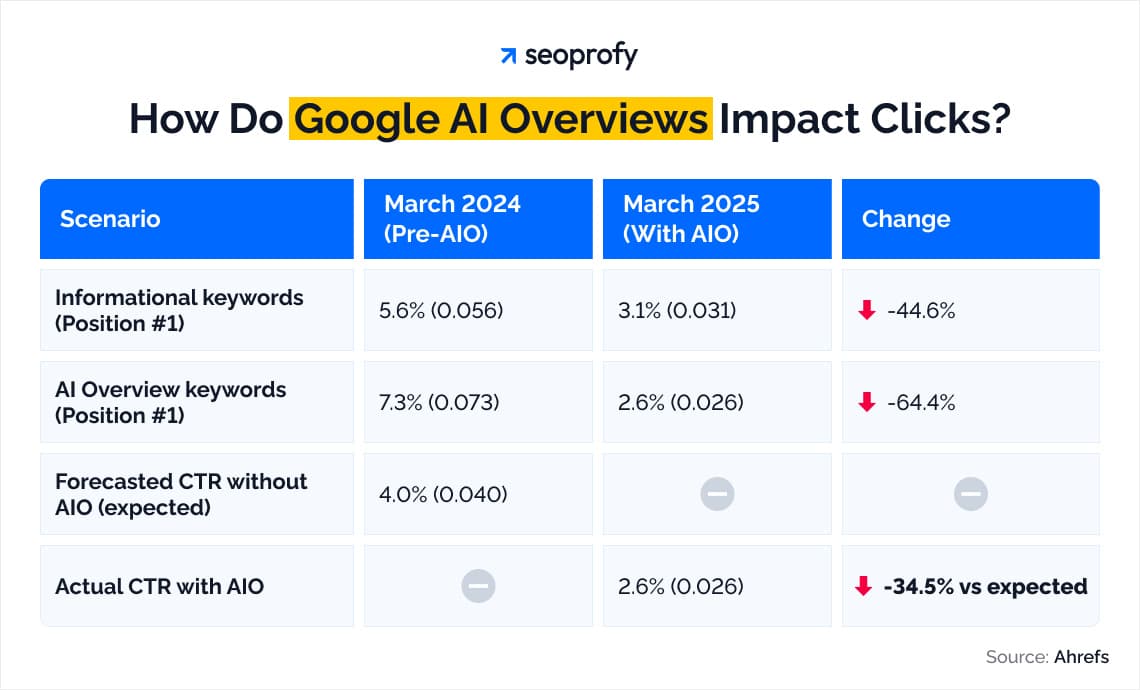
That is the budget fight hiding inside the naming fight. If agencies treat GEO as a rebrand of old SEO, they will under-scope the work, under-price the strategy, and miss the services clients are already starting to need. Pew Research Center’s July 2025 findings showed how quickly the user behavior shifted: 58% of surveyed U.S. adults encountered at least one Google search with an AI summary in March 2025, and users were less likely to click links when that summary appeared. For agencies, that means the next commercial layer of discovery is not hypothetical. It is already changing how search traffic, brand demand, and client expectations are built.
This article was produced by Prism’s automated news system from verified source data, official records, and press releases, then run through automated quality and moderation checks before publishing. The system is built and supervised by the people who set the standards it runs under. Read our full AI policy.
Did this article answer your question?


