AI answer engines reward brand mentions over backlinks
Brand mentions are becoming the signal AI answers trust most, and Ahrefs’ 75,000-brand data suggests backlinks alone no longer buy visibility.

Ahrefs’ 2026 analysis of 75,000 brands found a 0.664 correlation between brand web mentions and AI visibility, compared with 0.218 for backlinks. That gap helps explain why answer engines are starting to notice who gets talked about, not just who gets linked. That is the premise behind OMR’s “How to Build Brand Mentions: Become the Brand AI Recommends.”
Why mentions now sit at the center of AI visibility
The core change is simple but disruptive. Traditional SEO rewarded pages that earned backlinks and ranked well; AI search systems are more likely to synthesize from a wider web of references, which makes repeated brand mentions, citations, and consistent entity signals part of the visibility equation. A citation points back to a source, while a mention tells the system the brand exists in the answer space at all.
Mentions can come from places that were once treated as secondary SEO assets: media coverage, expert roundups, reviews, community discussions, partner pages, and authoritative content published by other organizations.
What the Ahrefs data shows
The same Ahrefs report identified YouTube mentions as the strongest signal of AI visibility.
Links have not stopped mattering, but link-building by itself is too narrow for answer-engine visibility. If a brand is mentioned repeatedly in the places models already ingest, systems have more data tying that brand to the topic.
What actually counts as a useful mention
A useful mention is not just any logo placement or passing reference. It is a contextual reference in a place an AI system is likely to read and reuse, ideally surrounded by clear topical language that reinforces what the brand does. The most valuable mentions usually come from sources with editorial or expert credibility.
The practical list is broader than many teams assume:
- Media coverage that names the brand alongside a relevant topic
- Expert roundups where the brand is positioned within a category
- Reviews and comparison articles that describe strengths and use cases
- Community discussions that repeat the brand in the right context
- Partner pages and integrations that connect the brand to adjacent entities
- Original content that other sites cite, summarize, or reference
How to earn the right kind of mentions
The fastest route is not to chase volume for its own sake. The better play is to build topical authority around a clear category, publish original data, and make it easy for outsiders to reference the brand accurately. If the brand language is inconsistent across the site, product pages, and external profiles, AI systems have a harder time matching the entity to the topic.
Four practical inputs matter most:
- Original data that gives journalists and analysts something specific to cite
- Third-party coverage that places the brand in a trusted editorial context
- Expert commentary that ties executives or specialists to a topic repeatedly
- Clear, consistent naming and description across owned pages and distributed content
AI systems are sensitive to entity consistency, so a brand that describes itself one way on its site, another way in partner content, and a third way in social bios can weaken the very association it needs.
The market is already building around this shift
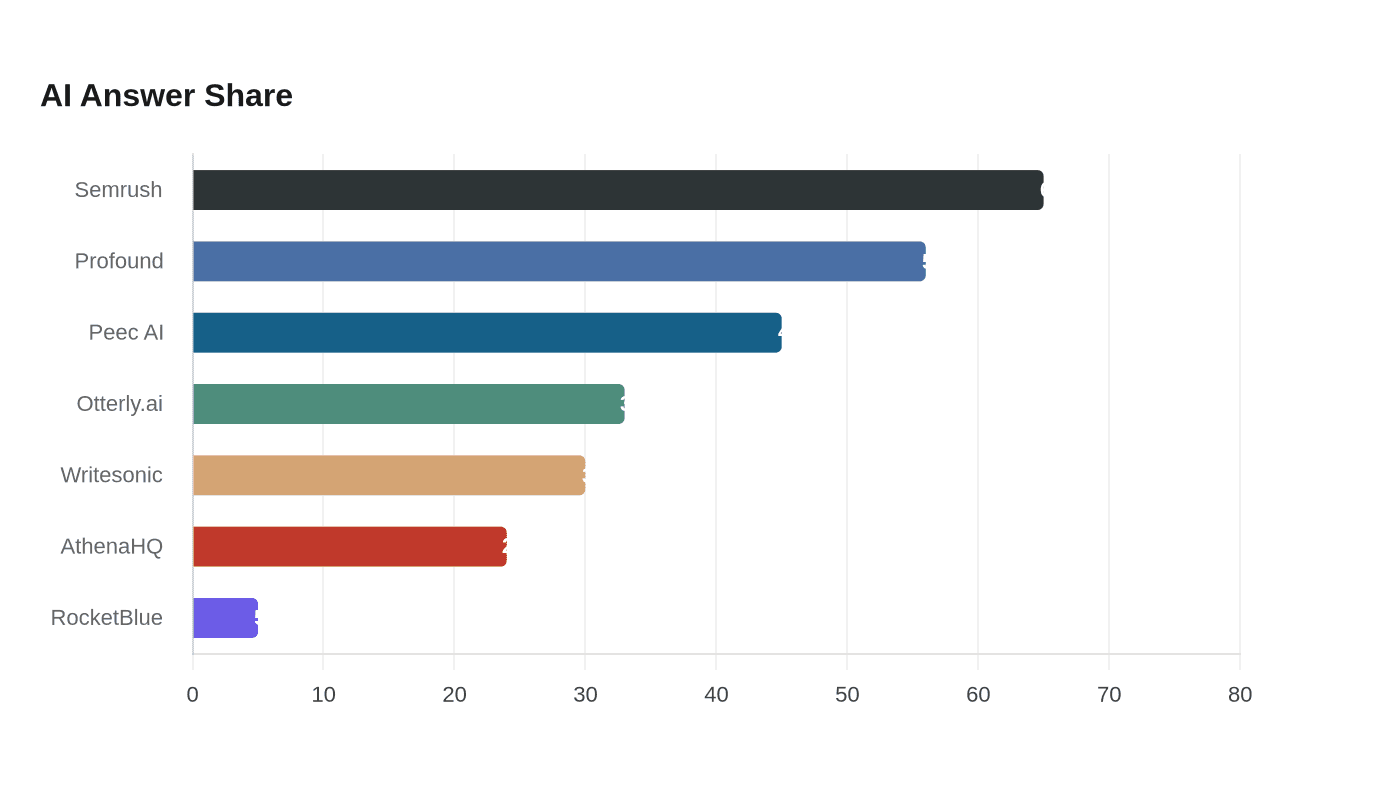
The topic has moved well past theory. Products and service firms including Rankscale.ai, Otterly.AI, Profound, Searchbloom, Respona, HubSpot, Adobe, OMR, and Ahrefs are now part of the visibility stack around AI search. Some focus on measurement, some on outreach or content production, and some on broader enterprise marketing workflows.
A practical operating model for teams
The work is less about collecting more links and more about building a broader, more legible footprint. That means treating PR, content, partnerships, and measurement as one system instead of separate campaigns. It also means judging success by whether the brand is becoming the default answer in its category, not only by whether a page ranks.
A workable model looks like this:
1. Define the exact topic space the brand should own.
2. Publish original material that others can cite and summarize.
3. Secure third-party references in media, reviews, and partner ecosystems.
4. Keep the brand name, description, and category language consistent everywhere.
5. Track whether AI systems are using the brand in answers, not just whether traffic is climbing.
This article was produced by Prism’s automated news system from verified source data, official records, and press releases, then run through automated quality and moderation checks before publishing. The system is built and supervised by the people who set the standards it runs under. Read our full AI policy.
Did this article answer your question?