Brand signals rise as backlinks lose monopoly on search authority
Backlinks still matter, but brand consistency, mentions, and entity clarity now help decide who gets seen in AI search.
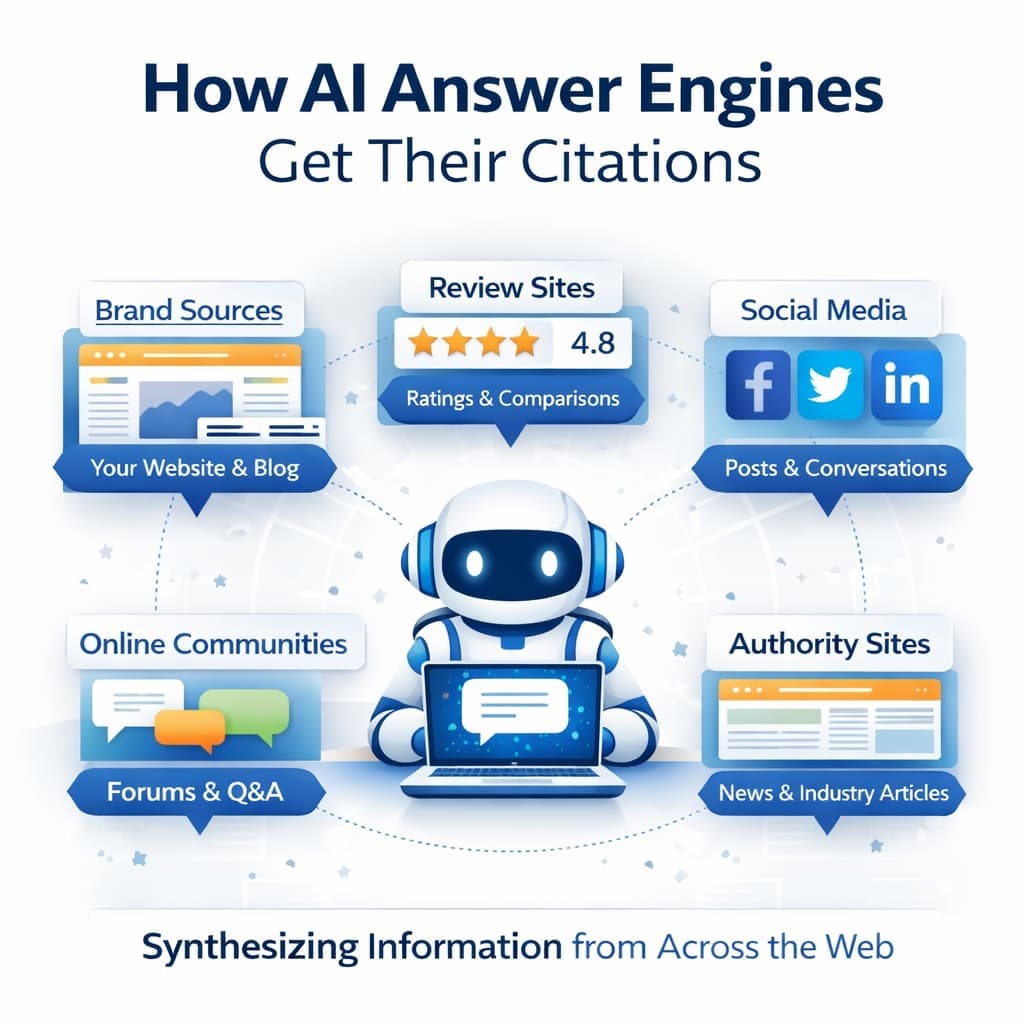
The link chase is not over, but it no longer owns the throne. Search authority is widening into a broader trust system where backlinks sit beside brand mentions, review profiles, structured data, and the kind of repeated naming that helps machines understand who you are and why you matter.
Backlinks are still valuable, just no longer sufficient
For years, SEO treated links as the clearest proof of authority, the easiest thing to count and the easiest thing to sell. That logic still holds in part, because links remain a strong signal of endorsement and discovery, but Search Engine Land’s authority-model framing makes the bigger point: link building alone is no longer a complete authority strategy. Google and AI systems have grown better at recognizing entities, context, and brand presence across trusted sources even when those signals are not wrapped in hyperlinks.
That shift changes how authority gets earned. A brand that appears consistently in quality articles, expert roundups, community discussions, and review platforms can build a recognizable profile without needing every mention to pass link equity. The practical lesson is simple but uncomfortable for old-school link builders: the web now rewards accumulation of credibility, not just accumulation of backlinks.
Brand signals are becoming part of the authority stack
What is rising is not some vague notion of brand awareness, but a concrete bundle of signals that help search systems recognize a company as a real, stable entity. Repeated positioning, consistent naming, expert references, review sentiment, and unlinked mentions all feed that recognition. When those signals line up, a brand becomes easier for search and generative systems to identify and easier to associate with the right topics.
That matters because AI search often has to decide not only which page is useful, but which entity deserves to be associated with the answer. If your brand is described the same way across trusted sources, the system can connect the dots with more confidence. If your name, product categories, and narrative change from place to place, the machine sees noise instead of authority.
Google’s own guidance points in the same direction
This is not happening outside Google’s worldview. Google rolled out AI Overviews to everyone in the United States in May 2024, and its Search Central documentation says AI features such as AI Overviews and AI Mode work in Search and can help users find websites. Google also says structured data can help its systems understand content on the page and display richer search features, which makes schema part of the authority conversation rather than a technical side note.
The rest of Google’s documentation supports the same reading. Search Essentials describes the core requirements for content that can appear and perform well in Search, the ranking systems guide says rankings work at the page level using a variety of signals, and the helpful-content documentation says automated ranking systems are designed to prioritize helpful, reliable information. Google’s Quality Rater materials reinforce that Search aims to surface relevant, reliable information from high-quality sources, which is a much broader mandate than link counting ever captured.
AI visibility is not the same thing as classic ranking
The clearest proof that this shift is real comes from newer AI-search data. Search Engine Land reported that only 38 percent of pages cited in Google AI Overviews also ranked in the traditional top 10, down from 76 percent eight months earlier. That is a huge divergence, and it tells marketers that a blue-link ranking and an AI citation are no longer the same achievement.
For brands, that means visibility can now come from multiple directions at once. A page may have modest link support and still surface in AI-driven experiences if the broader web keeps reinforcing the brand’s identity, expertise, and topical fit. In the old model, the page with the strongest link profile often won. In the new one, the winner may be the entity with the clearest and most believable reputation trail.
How to build authority when brand signals matter more
The playbook is broader now, but it is not mysterious. Authority comes from making it easy for humans and machines to recognize your brand as credible, consistent, and relevant across the web.
- Keep naming consistent across your site, bios, product pages, press coverage, and profiles.
- Use structured data where it fits, especially when you want search systems to understand your organization, products, authors, or reviews.
- Earn mentions in trustworthy articles, industry roundups, and community spaces that already carry topical authority.
- Strengthen review profiles and third-party references so the brand is surrounded by evidence, not just self-description.
- Build topical repetition with real expertise, because consistent narrative is easier for entity-aware systems to trust.
These steps do not replace links. They make links more powerful by placing them inside a larger trust architecture. A backlink from a strong source still helps, but a brand with weak entity clarity can now underperform a competitor with fewer links and a much cleaner reputation footprint.
The new authority game is cumulative
The important mindset shift is that authority is no longer a single channel job. It is cumulative, cross-channel, and increasingly legible to AI systems that can read context instead of just counting references. That is why the strongest brands are starting to look less like link farms and more like recognizable public identities with a clear story told consistently across the web.
Backlinks have not lost their value, but they have lost their monopoly. In the AI search era, the brands most likely to win are the ones that show up everywhere with the same name, the same expertise, and the same credibility, until search systems have no trouble understanding exactly who deserves to be found.
This article was produced by Prism’s automated news system from verified source data, official records, and press releases, then run through automated quality and moderation checks before publishing. The system is built and supervised by the people who set the standards it runs under. Read our full AI policy.
Did this article answer your question?