eMarketingEye study tracks Sri Lanka hotel visibility in AI search
Sri Lanka’s first AI visibility study found 742 hotel brands split across 18 segments, with Anantara Peace Haven Tangalle Resort leading the market at 20.5%.
AI visibility is starting to look like a hotel metric that matters, not a marketing buzzword. eMarketingEye said its May 22 study was Sri Lanka’s first AI visibility report for hotels, built from real-world prompts run across ChatGPT, Gemini and Perplexity through its aeyepulse tool.
The numbers show why this is more than a vanity exercise. The study covered 742 hotel brands across 18 hospitality segments, from beach and luxury to wellness, Ayurveda, family travel, honeymoon and couples, wildlife, Colombo, Kandy, Ella, Nuwara Eliya, Negombo, the East Coast and Jaffna. In a travel category where intent is narrow and highly contextual, that kind of segmentation matters because AI systems do not return a long list. They compress the field into a handful of names that can shape discovery before a traveler ever opens a booking site.
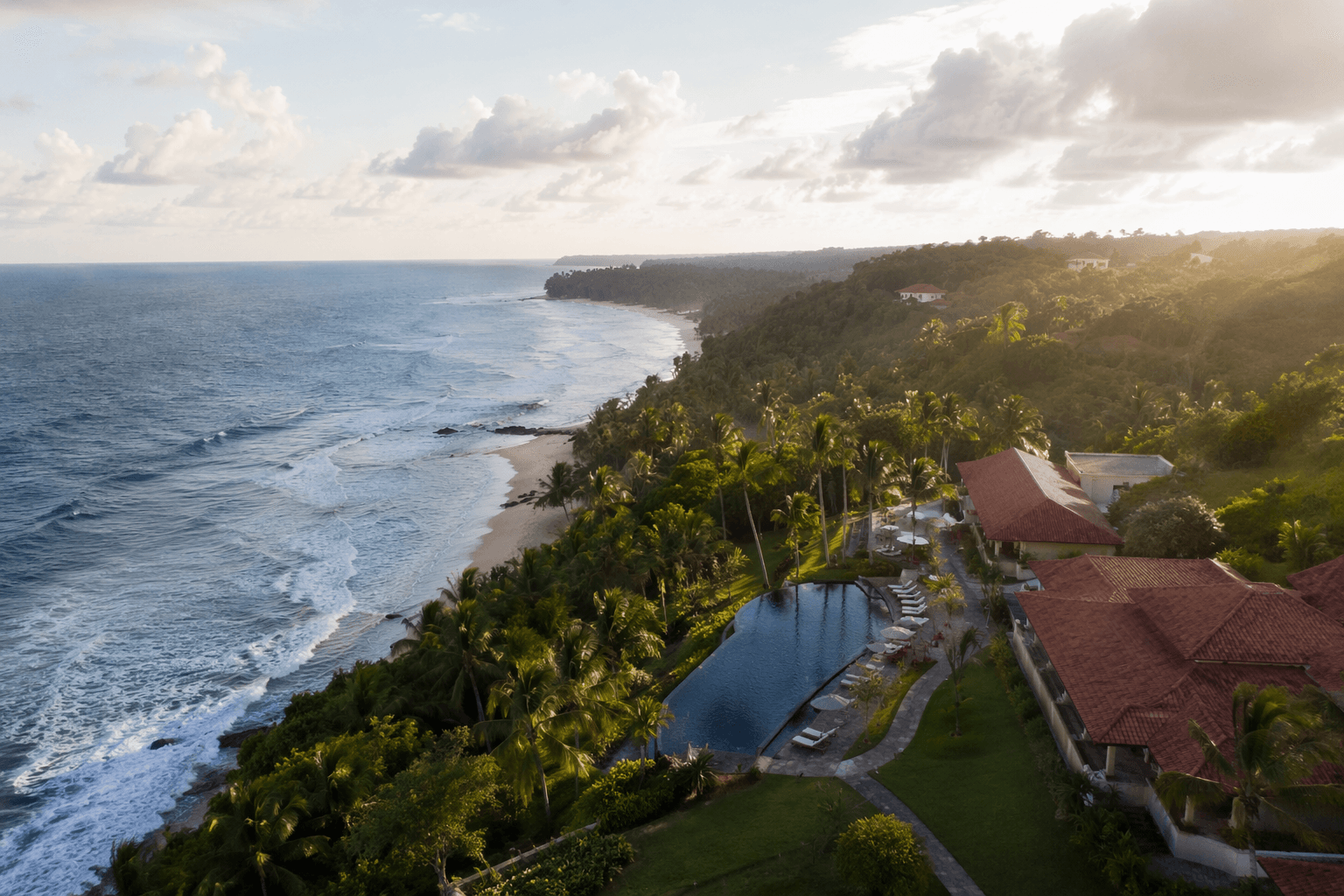
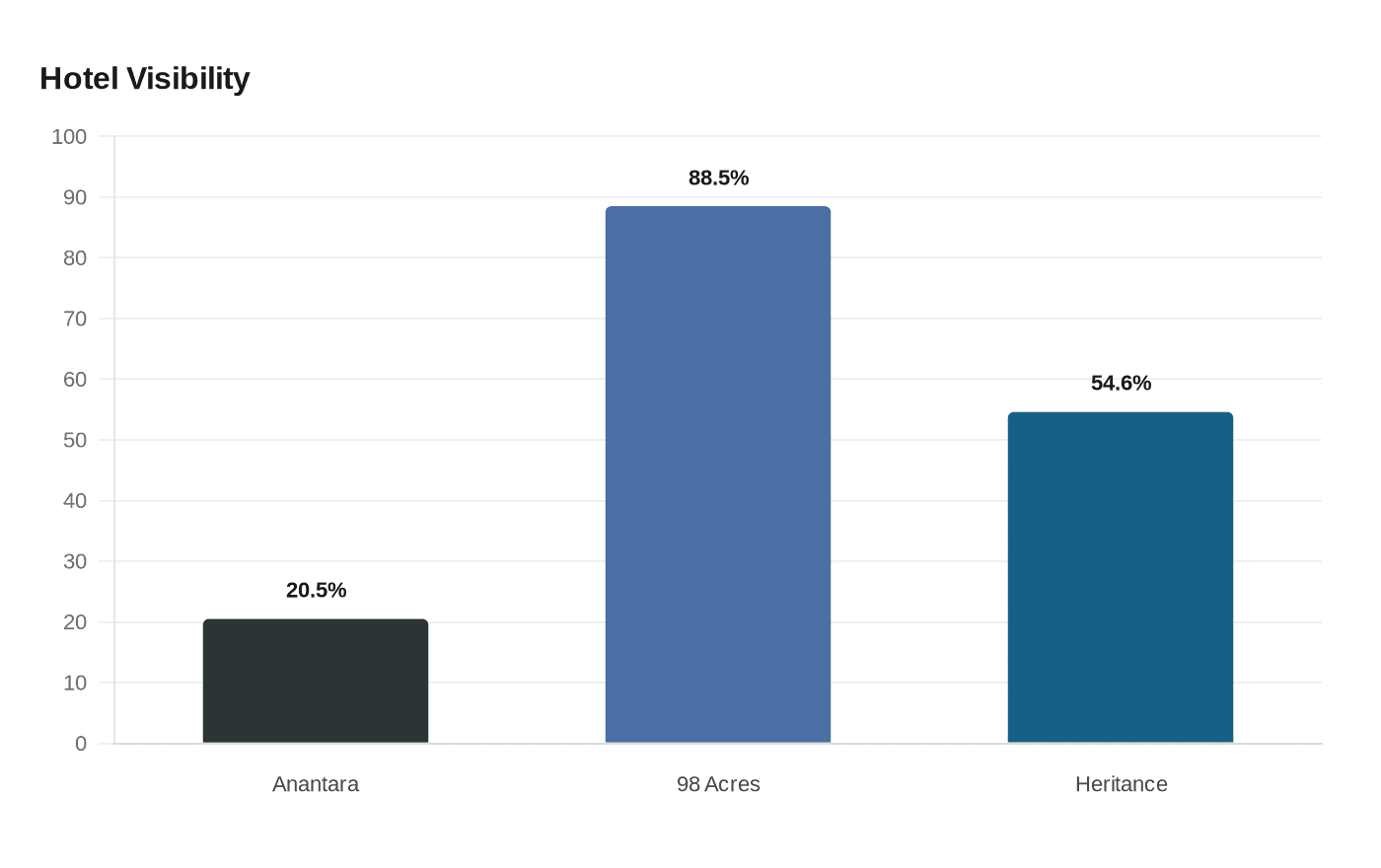
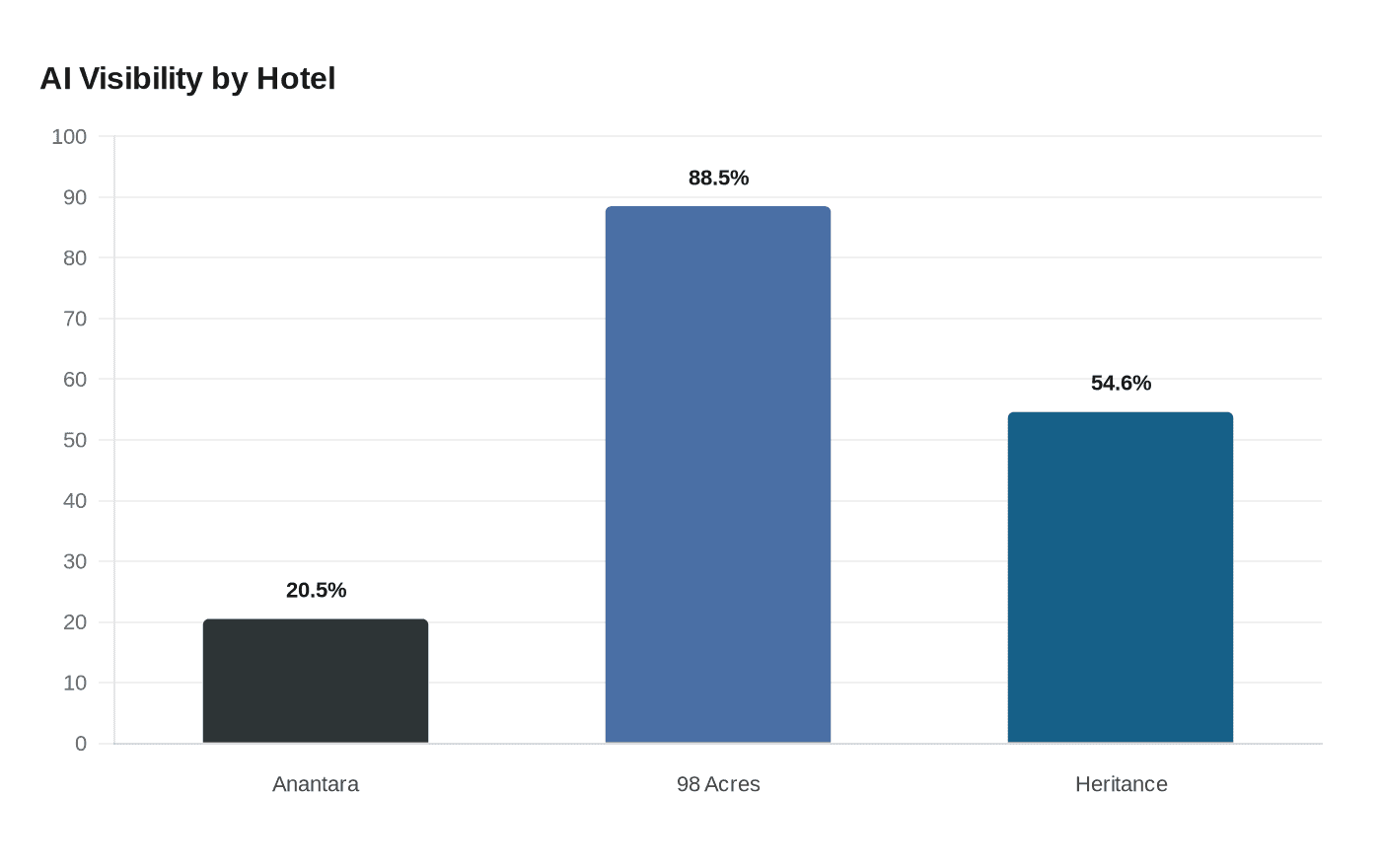
At the top of the Sri Lanka market, Anantara Peace Haven Tangalle Resort led overall AI visibility at 20.5 percent. The concentration was even sharper in destination-led searches. Ella was led by 98 Acres Resort and Spa at 88.5 percent visibility, while Sigiriya and Dambulla were dominated by Heritance Kandalama at 54.6 percent. Those kinds of results show how quickly one property can own an AI answer for a destination, while a larger set of competitors gets pushed out of the conversation.
That is the real shift for hotel marketers. AI answer inclusion is no longer just about search impressions. It can affect whether a property gets shortlisted at all, whether a brand gets discovered outside its own loyal audience, and whether an OTA sits in the middle of the booking path or loses the first look. In Sri Lanka, that puts chains, independents and resellers into the same visibility race, but not on equal terms. The brands that feed models the right mix of reviews, destination signals and third-party mentions are the ones most likely to surface.
Cloudbeds’ hotel recommendations study, published June 26, 2025, points in the same direction. It ran 810 prompts across six destinations and narrowed the field to 145 consistently top-ranked properties. OTAs accounted for 55.3 percent of cited sources, 72.4 percent of recommended properties were branded or large groups, and the average sentiment score among top-ranking properties was 75 out of 100. Cloudbeds also said 98 percent of recommended properties appeared on YouTube, 97 percent in travel blogs and 95 percent on Reddit.
Tripadvisor Group’s January 9, 2025 partnership with Perplexity adds another layer. Tripadvisor said it brings one billion reviews and contributions, Viator has more than 300,000 travel experiences, and its inventory spans 11 million business listings across 43 global markets and 22 languages. Together, the studies point to a clear turning point: in hospitality, AI visibility is becoming a distribution channel, and the brands that understand it first will have the edge in Sri Lanka and beyond.
This article was produced by Prism’s automated news system from verified source data, official records, and press releases, then run through automated quality and moderation checks before publishing. The system is built and supervised by the people who set the standards it runs under. Read our full AI policy.
Know something we missed? Have a correction or additional information?
Submit a Tip