Google AI Search Pushes Users Toward Longer, Need-Based Queries
Google’s AI search shift is making messy user intent visible, and that is killing one-keyword-per-page SEO. Liz Reid says people now ask longer, follow-up-heavy questions that map to real tasks.
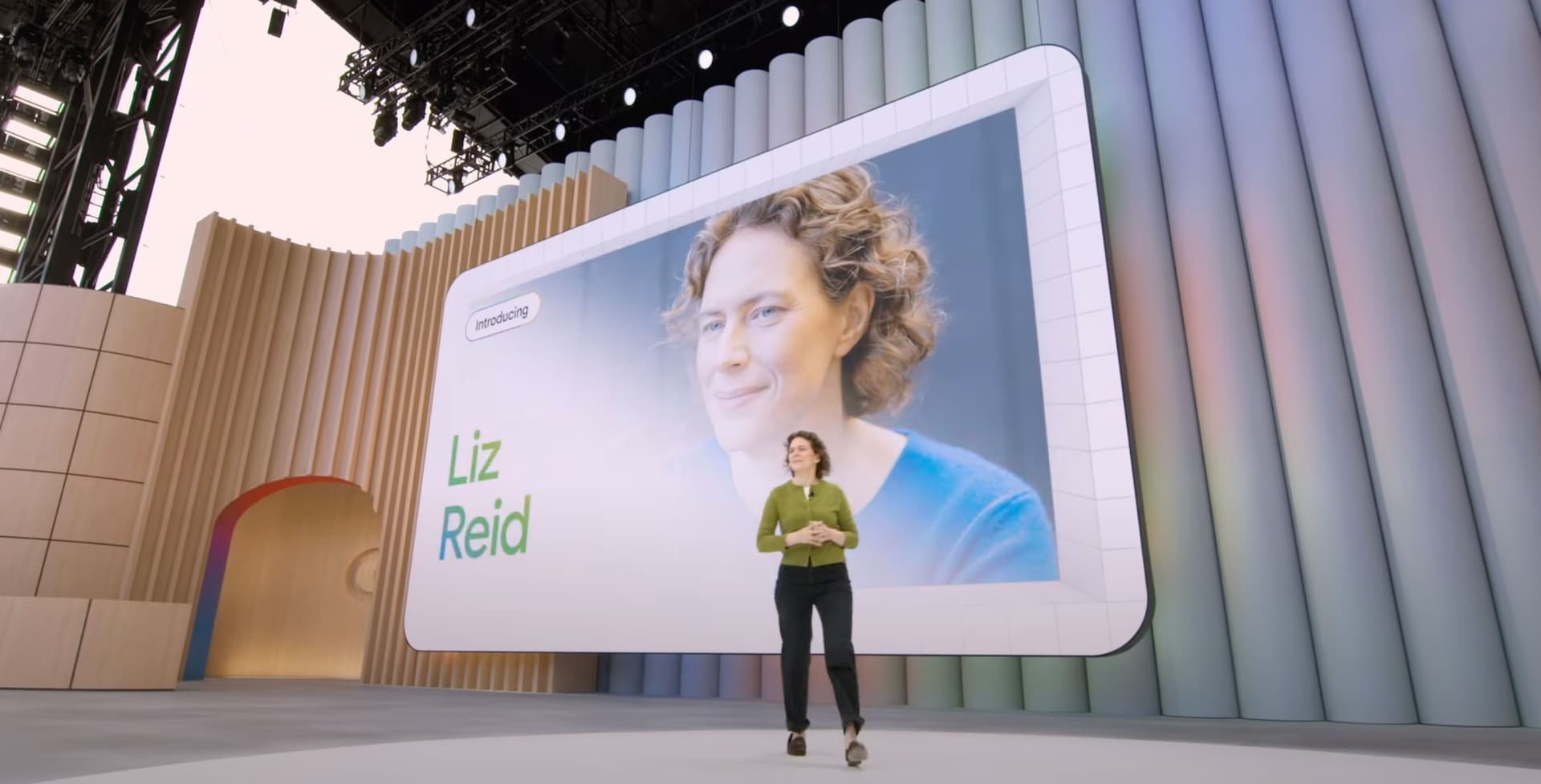
Google’s latest AI search push is forcing a hard reset on SEO strategy: one keyword on one page is no longer enough when users are asking for the full job to be done, not just a phrase to match. Liz Reid has made that shift plain, saying people are coming to Search with “more complex, longer and multimodal questions,” and that AI helps answer “many more of the questions that people have in their head.”
That is the practical end of the old keyword era. The classic model treated search intent like something to be compressed into a short string, then split across a stack of near-duplicates. Google’s AI Mode and AI Overviews are doing the opposite. They expose the actual need underneath the query, whether that is finding a restaurant with vegan options, enough space for five people, and a booking window that works for tonight, or comparing multiple options before a decision.
Google says AI Mode uses a “query fan-out” technique that breaks a question into subtopics and issues multiple queries at once. That matters because it mirrors how real people search: they start with one task, then immediately branch into follow-ups, edge cases, and comparisons. Reid said that was one of the core reasons AI Mode exists, because users wanted the conversation-like ability to ask the next question without starting over.
The numbers show this is not a side experiment. Google said AI Overviews drove over a 10% increase in usage of Google in the query types where they appeared, including major markets such as the U.S. and India. By May 2025, AI Overviews were available in more than 200 countries and territories and more than 40 languages. AI Mode first reached the U.S. in 2025, giving power users an end-to-end AI search experience that still points back to the web.
Google is also signaling that this shift may not hurt the click economy the way some publishers feared. In August 2025, Reid said total organic click volume from Google Search to websites was “relatively stable year-over-year,” while average click quality had increased. She also said people were increasingly clicking into in-depth reviews, original posts, unique perspectives, podcasts, videos, and forums.
For SEOs, that means content has to be built around intent clusters, follow-up questions, and task completion paths, not just a primary phrase and a few variants. Google has long used AI in Search, including BERT and MUM, but AI Overviews and AI Mode move that intelligence to the surface. The winners will be the pages that answer the next question before the user has to ask it.
This article was produced by Prism’s automated news system from verified source data, official records, and press releases, then run through automated quality and moderation checks before publishing. The system is built and supervised by the people who set the standards it runs under. Read our full AI policy.
Did this article answer your question?