Google Defends AI Overviews as Lowering Bounce Clicks, Not Traffic
Google says AI Overviews prune bad clicks, but publishers see a different math: Pew, Ahrefs and Seer all found fewer clicks when summaries appear.
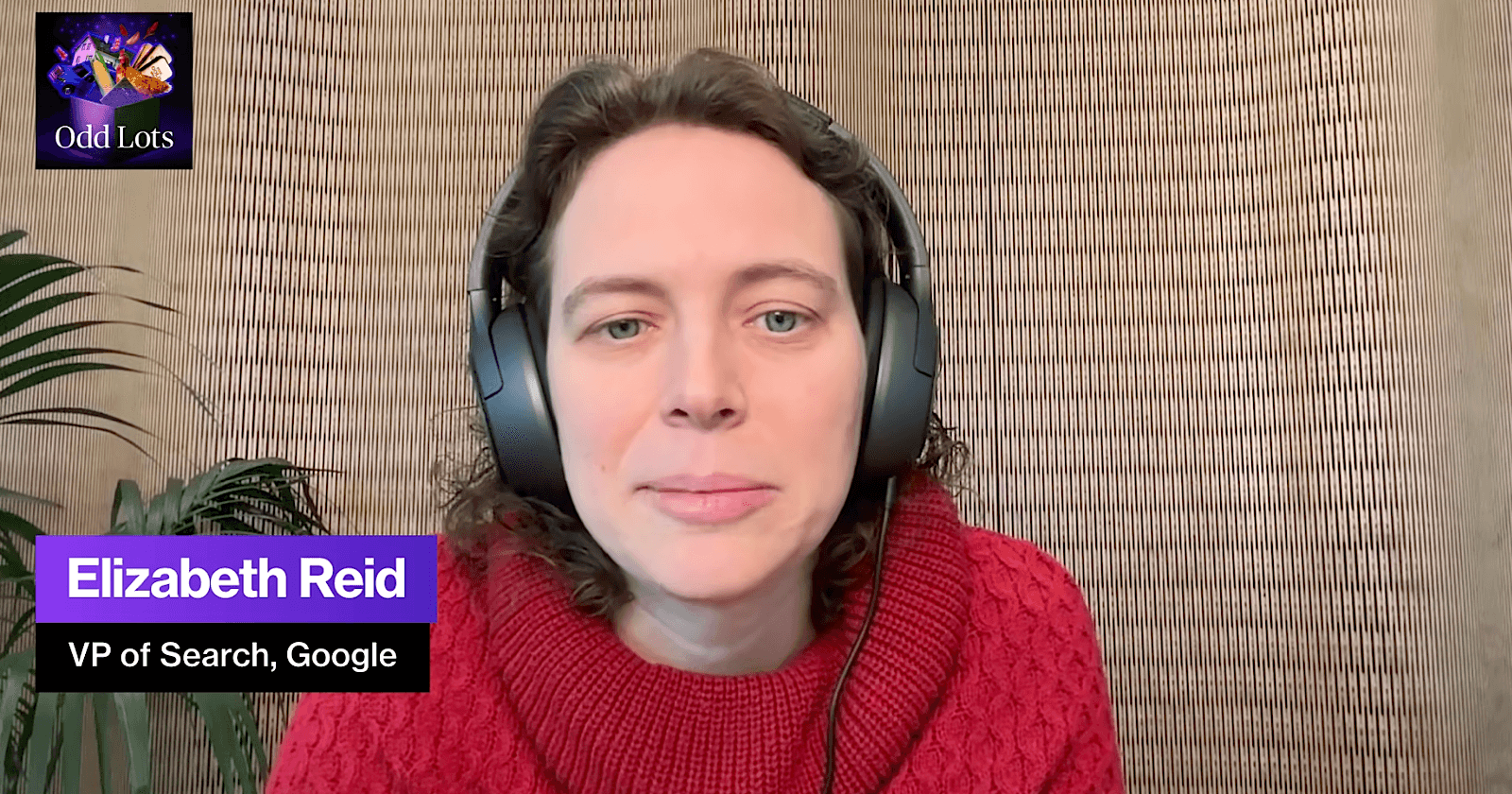
Google wants AI Overviews to be seen as a filter, not a drag on the web. Liz Reid told Bloomberg that the system cuts down on what Google calls bounce clicks, the quick visits where someone taps a result, realizes it is not useful, and snaps back to search. That framing sounds neat. The problem is that Google has not opened up the aggregate data behind the claim, so publishers are left judging the feature by the metric they actually live and die on: referral traffic.
The gap between Google’s pitch and publisher experience has only widened as AI Overviews spread. Google said the feature is used by more than a billion people, and it expanded AI Overviews to more than 200 countries and territories and more than 40 languages on May 20, 2025. Google also launched AI Mode in the United States in May 2025, pushing generative answers deeper into the core search experience. That makes the traffic question less theoretical for anyone relying on search visibility to sell ads, subscriptions or leads.
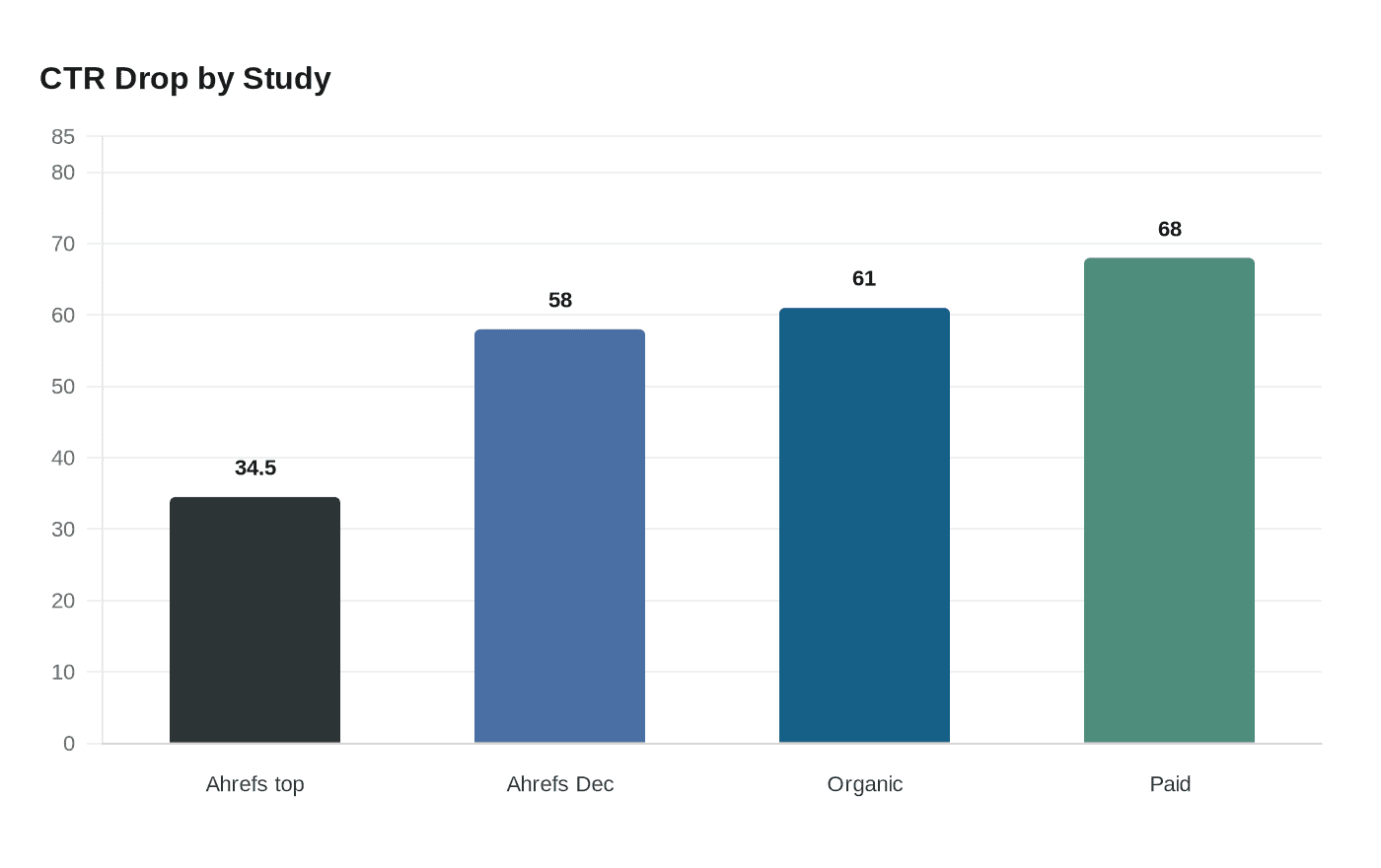
The outside data points keep leaning in the same direction. Pew Research Center said in July 2025 that Google users were less likely to click links when an AI summary appeared, and they very rarely clicked the cited sources. Ahrefs reported an earlier 34.5% lower average CTR for the top-ranking page when AI Overviews were present, then later said position-one content saw a 58% lower average CTR in December 2025. Seer Interactive went further, reporting organic CTR down 61% and paid CTR down 68% on informational queries with AI Overviews. However Google slices it, those are not the numbers of a feature that is simply rearranging low-value visits.
That is why the bounce-click argument matters. If AI Overviews really are stripping out the people who only wanted a fast fact, the remaining clicks may be more qualified. But they are also harder to earn, because the answer layer now decides which brands get seen before a user ever reaches a site. For marketers, that turns “traffic” into a blunt word. A shallow click from a general query is not the same as a visitor who comes in after the basic question has already been answered.
The backlash has moved beyond analytics into regulation. Independent publishers filed an EU antitrust complaint over AI Overviews in July 2025, and the European Commission opened proceedings in November 2025 to examine whether Google was applying fair, reasonable and non-discriminatory access conditions to publishers’ sites on Google Search. Google keeps saying AI Overviews produce more searches and more qualified clicks. Until it shows the dataset, publishers are likely to keep treating that as a defense, not a verdict.
This article was produced by Prism’s automated news system from verified source data, official records, and press releases, then run through automated quality and moderation checks before publishing. The system is built and supervised by the people who set the standards it runs under. Read our full AI policy.
Did this article answer your question?