Google ends FAQ rich results, removes Search Console reporting support
Google has shut off FAQ rich results in Search and will strip them from Search Console and testing tools, ending a once-useful visibility trick.
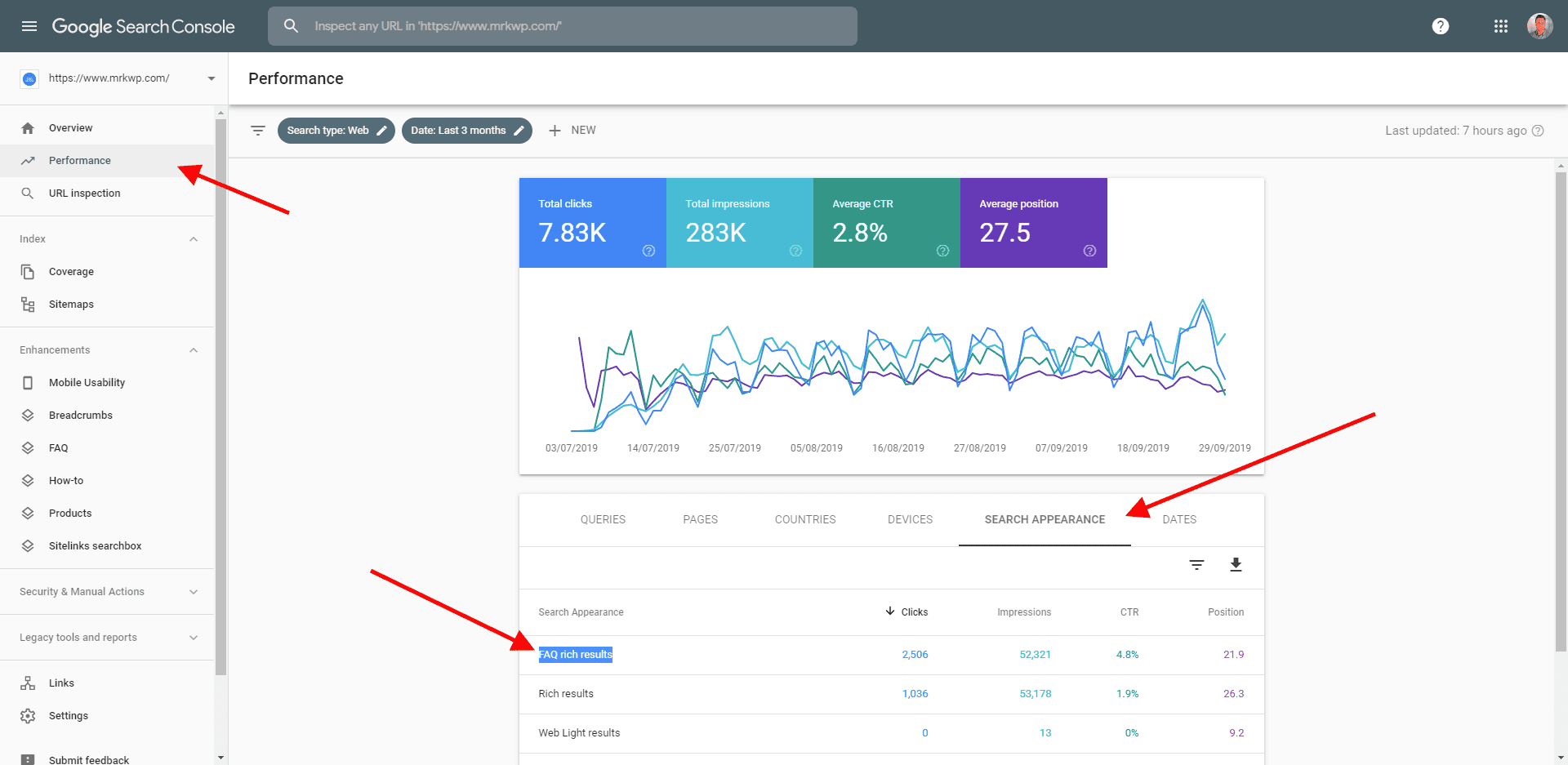
Google has stopped showing FAQ rich results in Search, and the old FAQ playbook is effectively dead for anyone still treating schema as a shortcut to more screen space. Barry Schwartz reported the change on May 8, with Google saying FAQ results stopped appearing in Google Search as of May 7, 2026. The company also said FAQ reporting in Search Console, support in the Rich Results Test, and the FAQ search appearance itself would be removed in June 2026, while Search Console API support is set to disappear in August 2026.
That turns FAQ markup from a traffic tactic into little more than plain structured data on the page. The code can stay if a site wants to use it for other systems, and Google still says structured data can help it understand page content. But the visible payoff is gone in Google Search, which is the part most publishers actually cared about. For brands that built FAQ hubs to win extra real estate on the results page, this is a clean break: the markup may remain valid, but the presentation layer that made it worth the effort has been pulled.

Google had already been squeezing FAQ visibility before this cutoff. In August 2023, the company reduced FAQ rich results to well-known, authoritative government and health websites, alongside similar limits on HowTo results. Google said those changes were aimed at a cleaner and more consistent search experience. The current FAQPage documentation reflects that narrowing, and Google’s structured-data policies still make the bigger point plain: valid markup does not guarantee display, and rich-result eligibility can disappear without affecting normal web rankings.
That distinction matters because it exposes the weakness in a lot of old SERP-era optimization. FAQ schema was never a guarantee, but for years it could still help pages earn more visible territory and, in some cases, more clicks. Google Search Central’s own examples explain why publishers chased it in the first place. Rotten Tomatoes saw a 25% higher click-through rate after adding structured data to 100,000 unique pages. Food Network reported a 35% increase in visits after converting 80% of its pages. Rakuten measured 1.5 times more time on page and a 3.6 times higher interaction rate on AMP pages with search features, and Nestlé saw an 82% higher click-through rate on rich-result pages.
The practical move now is to stop building FAQ content for a Google dropdown that no longer exists and start using those question-and-answer pages for broader answer-engine visibility. Structured data still matters when it helps search systems understand entities, products, policies, and page structure. What no longer matters is treating FAQ markup as a special access pass to Google Search real estate. Google has closed that door, and the sites that depended on it will need a better way to be found.
This article was produced by Prism’s automated news system from verified source data, official records, and press releases, then run through automated quality and moderation checks before publishing. The system is built and supervised by the people who set the standards it runs under. Read our full AI policy.
Did this article answer your question?