Google warns against buying mentions to game AI responses
Google is treating bought mentions as AI-search spam, with Gary Illyes warning that manipulated brand talk can trigger lower rankings, omission, or manual action.
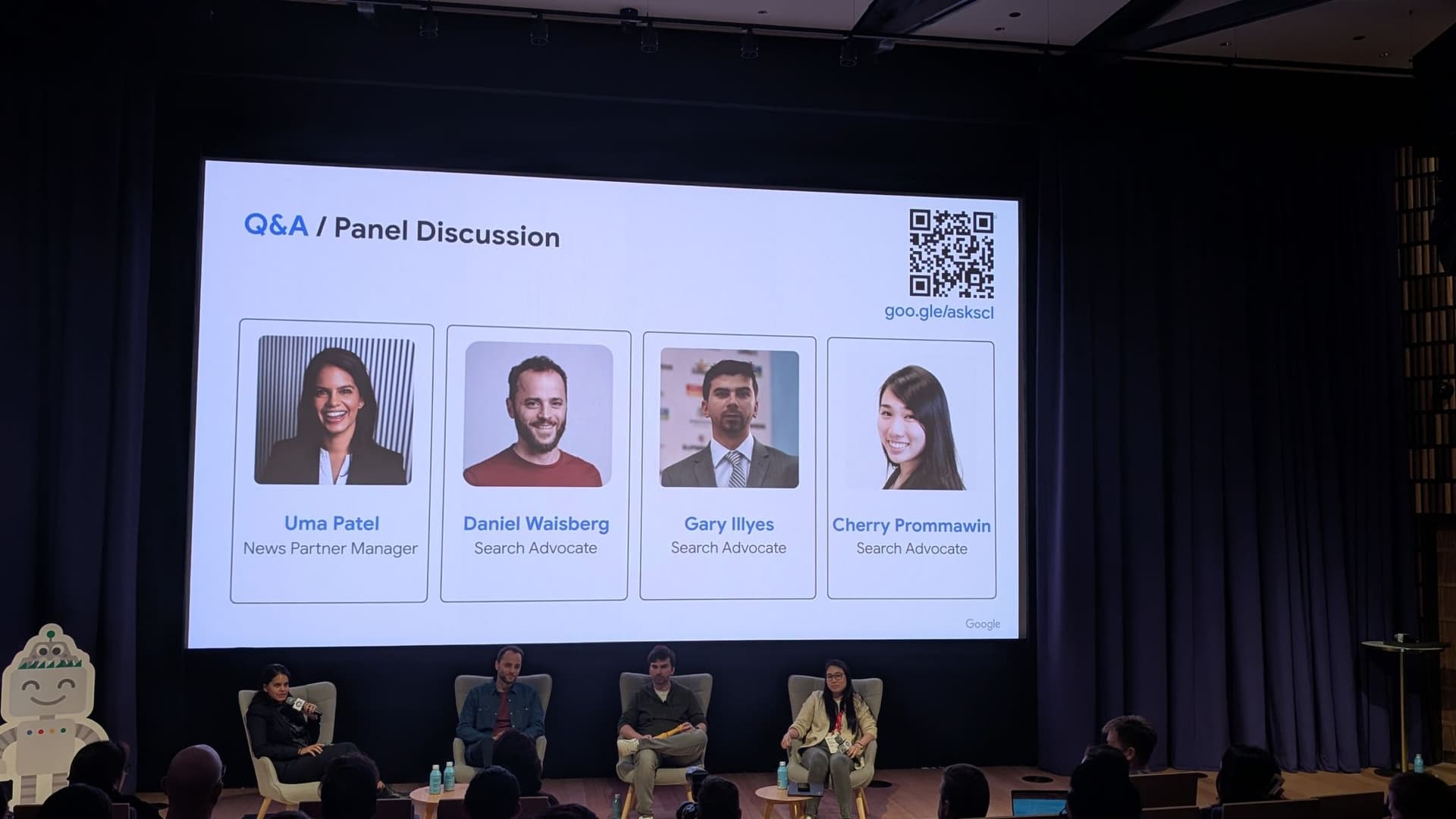
Google is drawing a hard boundary between earned brand presence and manufactured mention spam in AI search, and the message is blunt: buying or manipulating mentions to show up in AI responses is a risky game. Gary Illyes delivered that warning at Search Central Live Shanghai 2026, where Google was already steering site owners toward legitimate international SEO rather than shortcut tactics that try to fake authority.
The timing matters because Google has been tightening the language around generative AI search all month. Its May 2026 documentation update clarified that spam policies apply to generative AI responses in Google Search, and the policy text now explicitly says spam includes attempts to manipulate those responses. Google says violations can lead to lower rankings, omission from results, or manual action, which turns mention gaming from a clever growth hack into a clear policy risk.

That warning lands in a moment when unlinked references, citations, and casual brand mentions matter more than they used to. The temptation is obvious: manufacture discussion, seed coordinated mentions, and try to inflate a brand’s footprint in answer engines. Google’s stance makes plain that the quality of those mentions still matters, and that artificial patterns are exactly the kind of signal abuse it wants to catch. A brand that earns real coverage, community discussion, and substantive third-party references is playing a very different game from one trying to brute-force visibility.
Google’s own May 15 guide on optimizing websites for generative AI features reinforces that point. The company said AI Overviews and AI Mode are rooted in its core Search ranking and quality systems, use retrieval-augmented generation and query fan-out, and should still be approached as SEO from Google’s perspective. The guidance pushes site owners toward unique, valuable, non-commodity content and a clear technical structure, not gimmicks designed to flatter a machine.
Search Central Live Shanghai 2026 was announced on April 2 and scheduled for May 15, with Google describing it as a local event focused on optimizing sites that target users outside China. Applications were due by April 27, and selected attendees were to be notified by May 4. In that context, Illyes’ warning reads less like a side note and more like the policy edge of Google’s current AI-search message: authenticity still wins, and synthetic authority signals are getting harder to hide.
This article was produced by Prism’s automated news system from verified source data, official records, and press releases, then run through automated quality and moderation checks before publishing. The system is built and supervised by the people who set the standards it runs under. Read our full AI policy.
Know something we missed? Have a correction or additional information?
Submit a Tip