HubSpot Guide Frames AEO Prompt Tracking as Missing AI Search Metric
AEO prompt tracking turns AI search visibility into something teams can measure, not just guess at. The real edge is a repeatable prompt set that shows when brands appear, disappear, and convert.

Why prompt tracking matters now
HubSpot’s latest AEO guidance makes a blunt case: keyword rankings alone no longer tell the full story of search visibility. When a buyer asks ChatGPT, Perplexity, or Google AI Overviews a product question, the real question is whether your brand appears in the answer at all, and whether that appearance can be connected to revenue later. That shift turns prompt tracking into a measurement discipline, not a branding exercise.

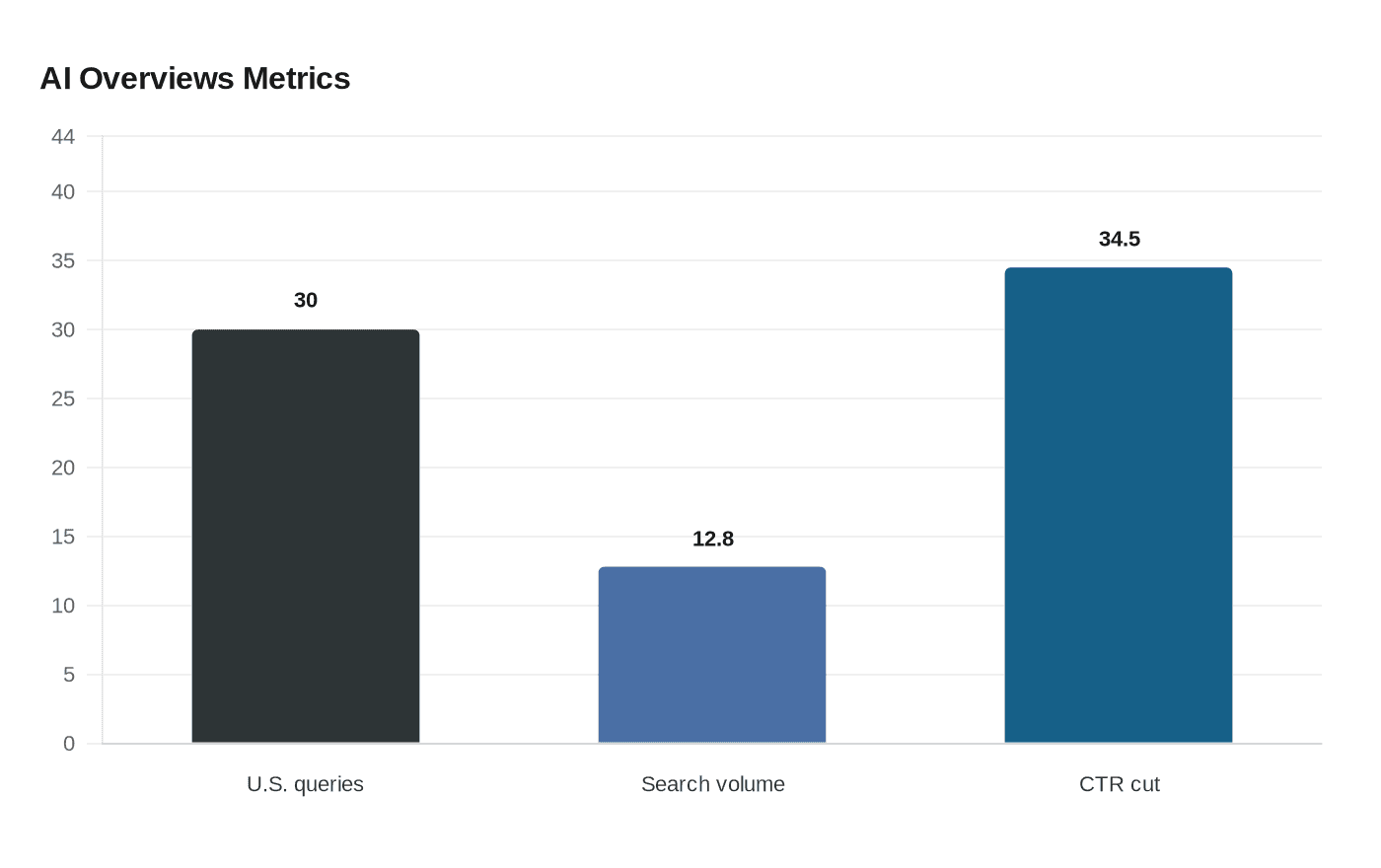
The timing matters because AI-generated answers are no longer a side feature of search. Google’s AI Overviews were reported to have more than 2 billion users in 2025, and outside analyses have suggested they appear on about 30% of U.S. queries. Ahrefs also found that AI Overviews show for 12.8% or more of Google searches by volume and can cut top-result click-through rate by 34.5% when they appear. In other words, the visibility problem is already big enough to change how teams should report performance.
What prompt tracking is actually measuring
HubSpot’s framework treats a prompt as the core unit of analysis. Instead of asking only how a page ranks, prompt tracking asks whether the brand surfaces in AI-generated answers when real buying questions are run across answer engines. That gives marketers a more direct view of whether their content is being used, ignored, or replaced in the answer layer.
Just as important, prompt tracking measures how the brand appears. A mention without a citation, a citation without the right page, or an answer that names a competitor first all tell different stories. For AI search teams, those distinctions matter because they reveal whether visibility is strong enough to influence consideration, not just whether the brand is technically present.
Build a prompt library, not a loose list
The most practical move is to build a structured prompt library instead of testing random questions by hand. HubSpot’s guidance is clear that teams need repeatable prompts that reflect actual buyer intent, because isolated wins are easy to misread. A prompt set should mirror the questions prospects ask at different stages of the journey, from early comparison questions to high-intent buying prompts.
- Keep prompts stable enough to compare results over time.
- Group prompts by topic, funnel stage, product category, or audience segment.
- Include variations that reflect how people really ask questions in AI tools.
- Re-run the same prompt set on a regular cadence so changes are visible.
A useful library should be designed for consistency:
That structure matters because answer engines are volatile. A single positive result can look like progress, but only a repeatable prompt set shows whether visibility is improving across the questions that matter most.
What to include in each prompt set
Prompt sets should be built around the exact buying questions your team wants to own. HubSpot’s AEO guidance says marketers should map user questions, structure content for quick answers, add the right schema markup for AEO, and track brand visibility, which makes the content and measurement process inseparable. If the content is not organized to answer the question cleanly, the prompt test will usually show that weakness.
- Brand-and-category prompts, where users ask who the best options are.
- Problem-solving prompts, where users ask how to fix a pain point.
- Comparison prompts, where AI systems are asked to weigh vendors or products.
- Purchase-intent prompts, where the user is close to evaluating a solution.
The strongest prompt libraries usually include a mix of:
That mix helps teams see where they are winning and where they are invisible. It also prevents an overreliance on one prompt that happens to produce a favorable answer while the rest of the category remains uncovered.
Track citations, not just presence
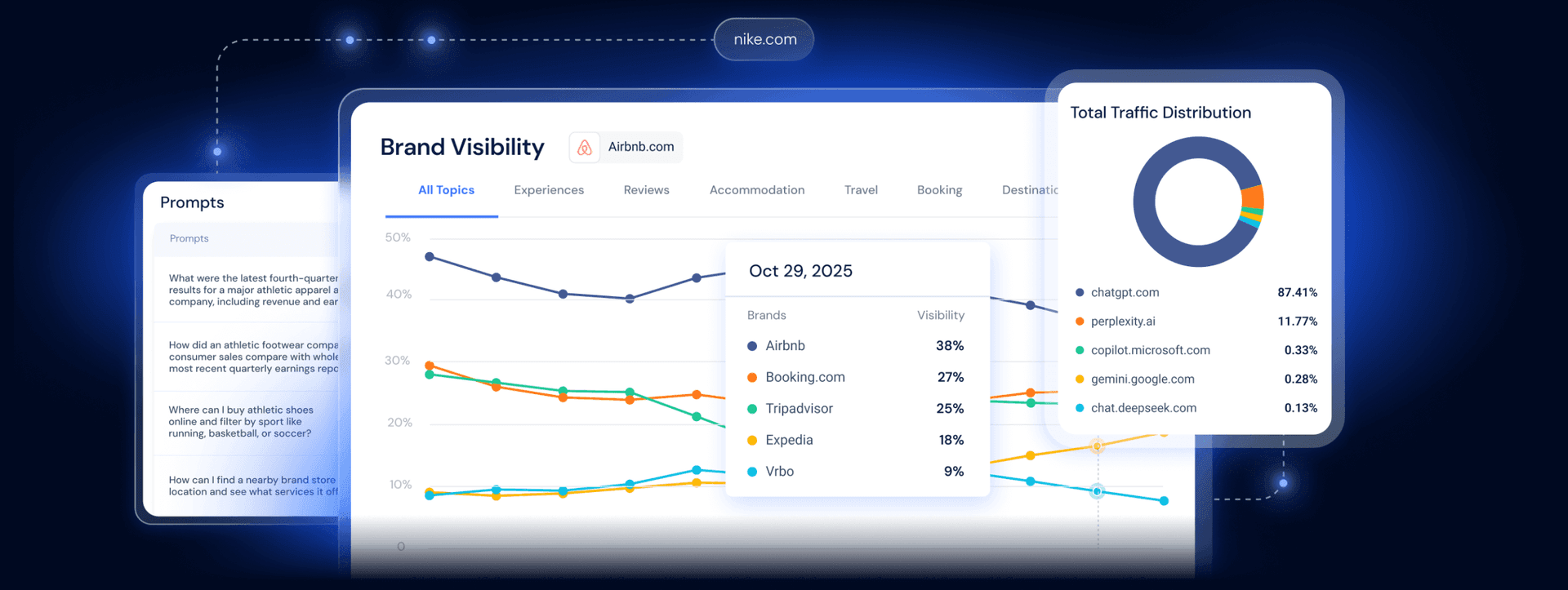
HubSpot’s article emphasizes a central measurement issue: prompt-level visibility is limited, AI search data is disconnected from web analytics and CRM systems, and attribution to leads and revenue is unclear. That means the answer is not just whether the brand shows up, but whether it is cited, named, and connected to content that can support a purchase decision. Citation presence becomes a proxy for authority in a system where traditional rankings no longer guarantee inclusion.
This is where many teams get tripped up. A brand can appear inside one answer engine and vanish in another, or show up in a summary without any clickable path back to the site. Tracking citations across prompts gives marketers a cleaner picture of whether their content is actually being trusted by the model, not merely indexed somewhere in the background.
Use tools that connect the work
HubSpot is also positioning its own stack around the same problem. Its AEO guidance says teams can use Marketing Hub Pro or Enterprise to map user questions, structure content, add schema markup, and track brand visibility. It also offers a free AEO Grader for a baseline assessment, which gives teams a starting point before they invest in deeper monitoring.
That toolset matters because the broader operational problem is governance. HubSpot points to fragmented data, unclear attribution, and uncertainty about which monitoring tools deserve budget. A CRM-connected baseline helps turn AEO from an abstract search trend into something teams can brief in the same language they use for pipeline, content, and demand generation.
Separate real trends from anecdotal wins
The discipline piece is what separates useful AEO reporting from noise. A single strong prompt response can make a dashboard look healthier than it is, especially if the result came from a narrow query or an unusually favorable answer engine response. Meaningful trend data comes from repeated testing, stable prompt sets, and consistent citation checks across time.
That is also why the wider industry framing matters. Conductor’s April 14, 2026 report, which analyzed 10 industries for AI referral traffic, AI search market share, and Google AI Overviews performance, describes AI search as creating a “parallel surface of visibility.” Semrush’s April 16, 2026 guide makes the same broader point in different language, arguing that AEO is about visibility in AI-generated answers rather than traditional SERP ranking. Both point to the same operational truth: the new search layer has to be measured on its own terms.
Google’s own product timeline reinforces the point. Search Generative Experience launched for a limited number of U.S. users in May 2023 and was rebranded as AI Overviews in 2024, which means this visibility problem has been building in stages rather than arriving overnight. By the time a team notices the traffic shift, the answer layer may already be shaping what buyers see first.
The measurement mindset AI search now demands
AEO prompt tracking is valuable because it gives marketing teams a repeatable way to ask better questions. Are we appearing in the exact prompts our buyers use? Are we being cited, not just mentioned? Is visibility improving across the prompt set, or did one lucky query create a false sense of progress?
Those are the kinds of questions that turn AI search from a vague concern into a measurable channel. In a landscape where answer engines can reach billions of users and change the click path before a user ever reaches the site, prompt tracking is no longer optional reporting. It is the missing metric that makes AI search visible enough to manage.
This article was produced by Prism’s automated news system from verified source data, official records, and press releases, then run through automated quality and moderation checks before publishing. The system is built and supervised by the people who set the standards it runs under. Read our full AI policy.
Know something we missed? Have a correction or additional information?
Submit a Tip