Saint-Tropez, Amalfi Coast, Mykonos dominate AI luxury travel discovery index
Saint-Tropez led a new AI visibility index with 10.0% citation share, showing luxury travel now starts inside answer engines, not booking sites.
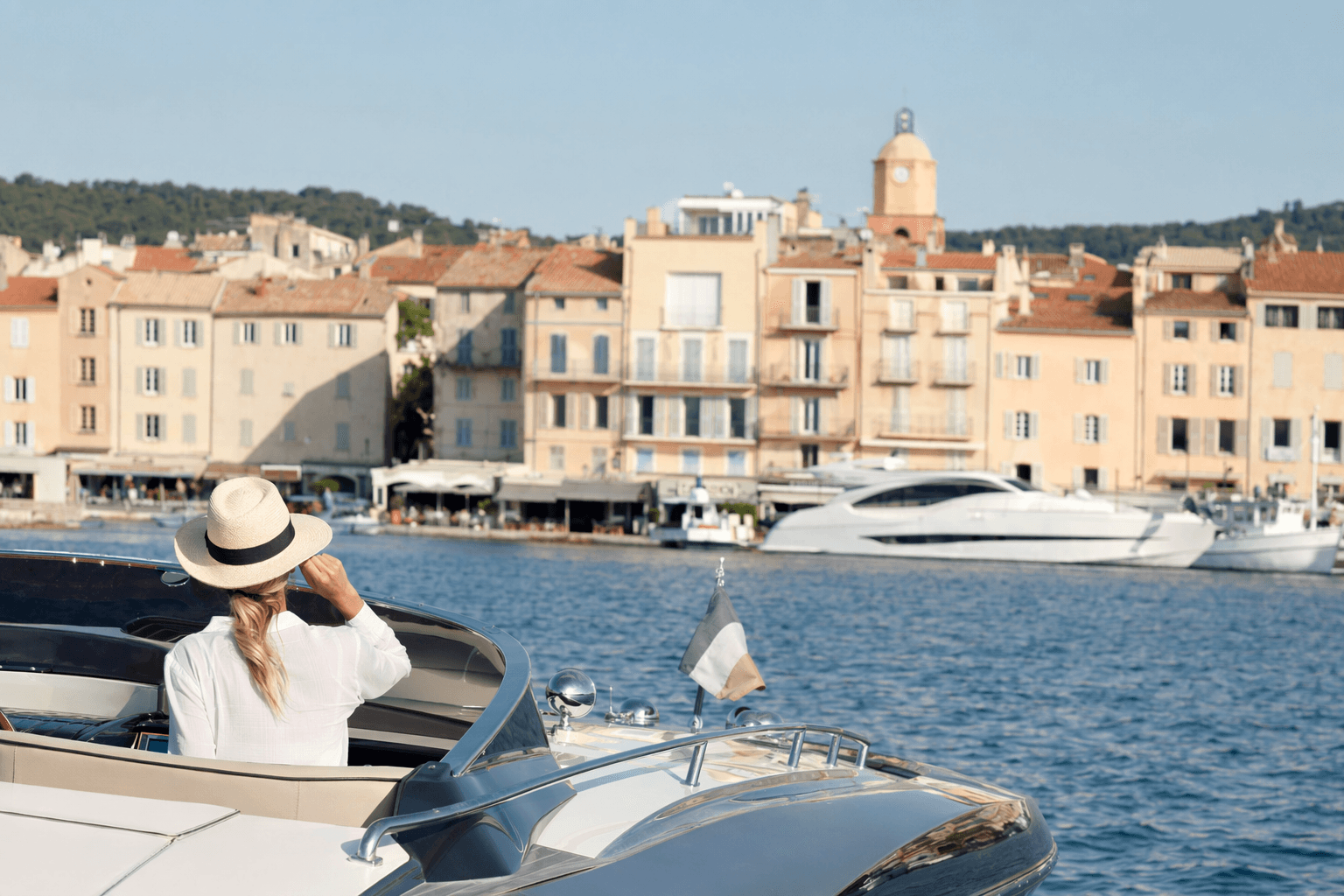
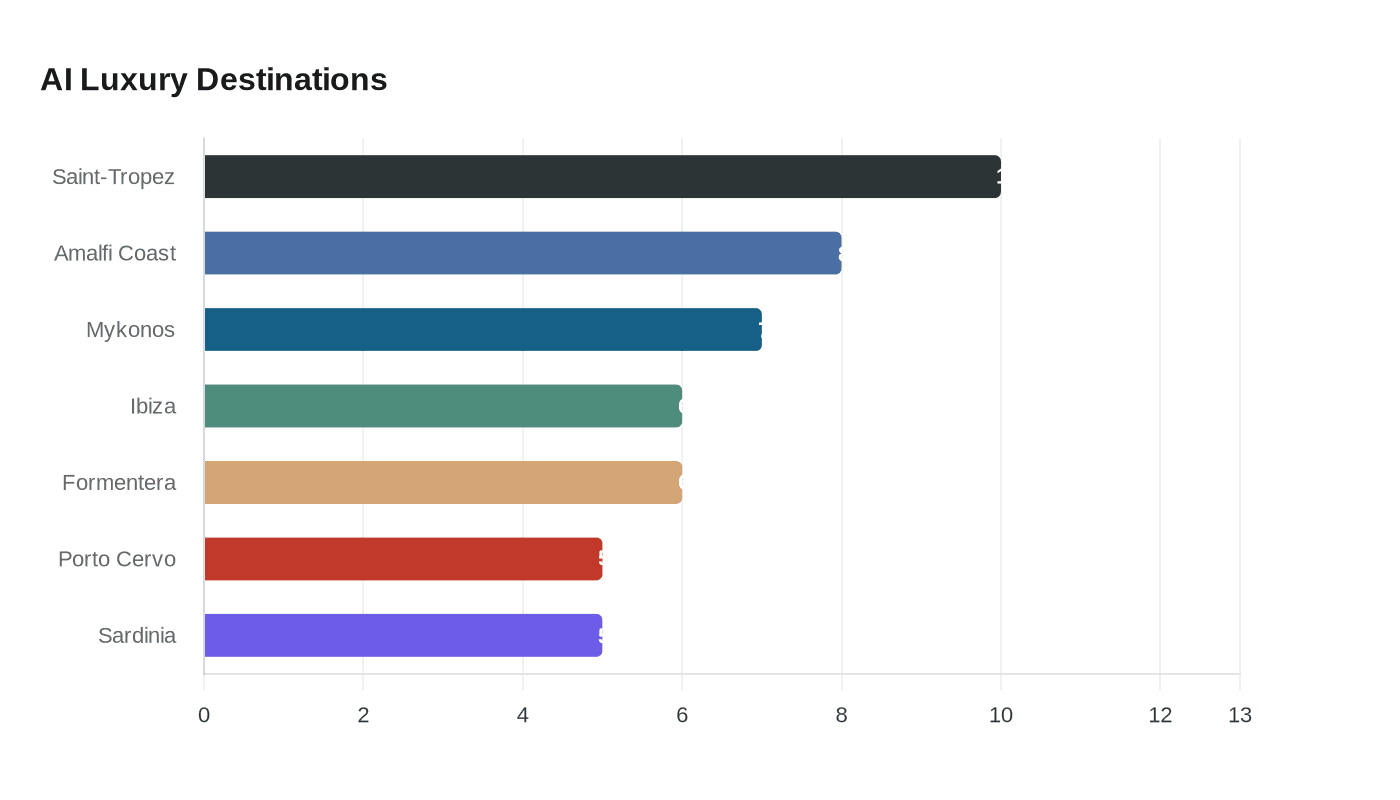
Saint-Tropez is now the first name AI reaches for. In a new ultra-luxury travel index from 5W and Haute Black, the French Riviera enclave led with an estimated 10.0% AI citation share, ahead of the Amalfi Coast at 8.0% and Mykonos at 7.0%, a clear signal that a small cluster of iconic destinations is shaping the first stage of luxury trip planning.
The Summer 2026 Ultra-Luxury Destinations AI Visibility Index, released April 30, 2026, ranked the top 25 summer destinations worldwide by AI citation share across ChatGPT, Claude, Perplexity and Google AI Overviews. The study drew on more than 80 ultra-high-net-worth-intent travel queries tracked in the first quarter of 2026, giving 5W and Haute Black a snapshot of which places are most likely to surface when affluent travelers ask open-ended questions about where to go, when to go and how to get there.
The rest of the top tier confirmed how concentrated the market remains. Ibiza and Formentera were tied at 6.0% citation share, while Porto Cervo and Sardinia each reached 5.0%. The pattern points to destinations that already carry strong brand recognition, dense editorial coverage and enough structured detail for answer engines to synthesize quickly.
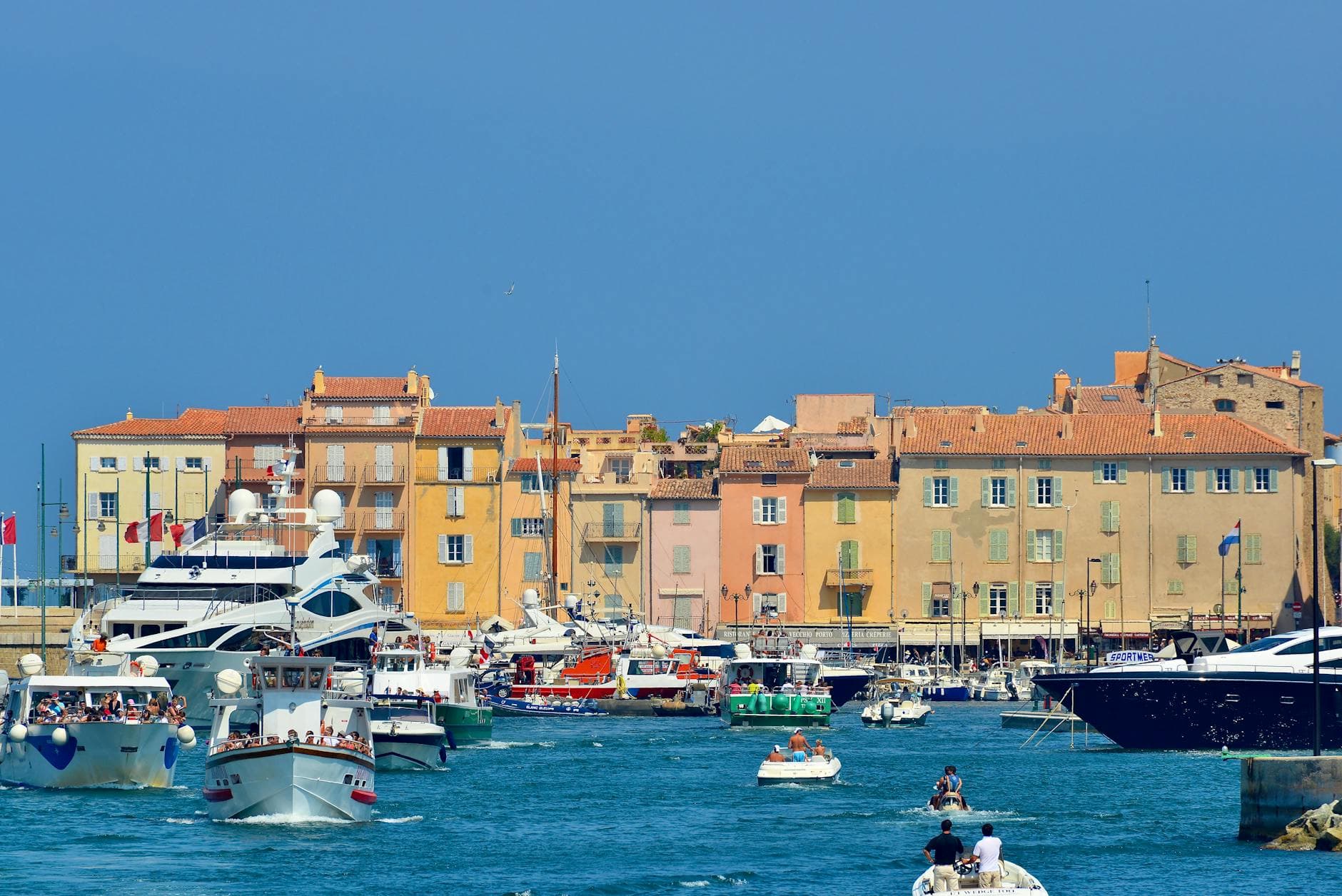
That is the larger story behind the ranking. AI is beginning to sit where luxury travel media once did, mediating which destinations make it into the consideration set before a traveler ever opens a booking platform or speaks to an advisor. For destination marketers, hotel groups, villa operators, private aviation brands and luxury concierges, the problem is no longer just visibility in search results. It is visibility inside AI-generated planning experiences, where freshness, specificity and clear answers about timing, access, exclusivity and experience matter as much as glossy imagery.
The report is the 10th installment in 5W’s AI Visibility Index series, a research franchise the firm uses to measure how generative AI is reshaping category discovery. Its GEO messaging frames Generative Engine Optimization as the discipline of engineering a brand to be cited inside AI-generated answers. Haute Black, meanwhile, describes itself as an ultra-luxury travel company and private membership world built on 20 years of Haute Living’s relationships, with access to hotels, private aviation, chef dinners, celebrity experiences and an AI-powered network.
The market backdrop helps explain why this race for AI citation share matters. The release says the luxury travel market is projected to exceed $1.2 trillion by 2027. It also cites Virtuoso data showing 67% of advisors forecast increased demand in 2026, 55% expect clients to spend more per trip and 45% report a surge in ultra-luxe trip requests. Phocuswright’s 2026 travel research adds another sign of where demand is headed: 58% of active U.S. travelers were using AI for something as of late 2025, and 39% were using it specifically for travel research or planning. For luxury travel, the discovery funnel has already moved into the answer box.
This article was produced by Prism’s automated news system from verified source data, official records, and press releases, then run through automated quality and moderation checks before publishing. The system is built and supervised by the people who set the standards it runs under. Read our full AI policy.
Did this article answer your question?