Baby Shower Food Safety Guide Keeps Pregnant Guests Healthy and Included
One pregnant guest, one unsafe bite: here's the complete host playbook for a baby shower spread that's medically sound, diet-inclusive, and actually delicious.
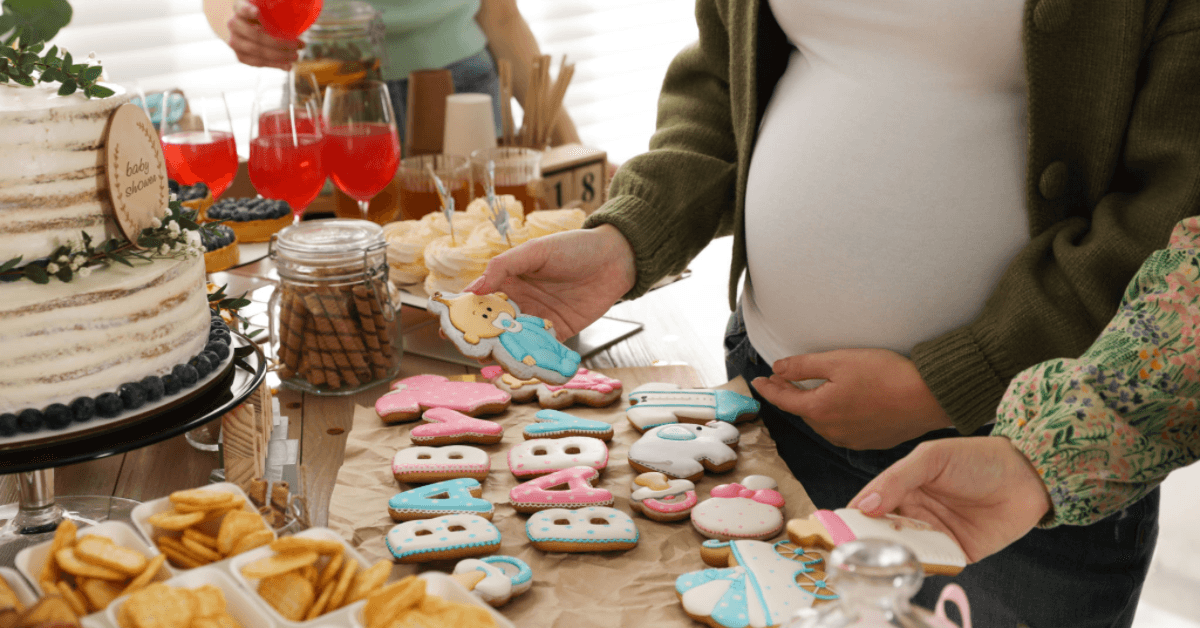
Planning a baby shower menu without thinking about the guest of honor's food restrictions is like baking a cake and forgetting the eggs. The pregnant guest, and often several friends in early trimesters who haven't made announcements yet, faces real medical stakes at your buffet table. Listeria, Salmonella, and high-mercury fish are not abstract concerns: according to the CDC, roughly 4 in every 100,000 pregnant women in the United States contract Listeria each year, and the pathogen can cross the placenta and harm or kill the baby even when the mother's symptoms seem mild. Getting the food right is the whole job.
What Pregnant Guests Cannot Safely Eat
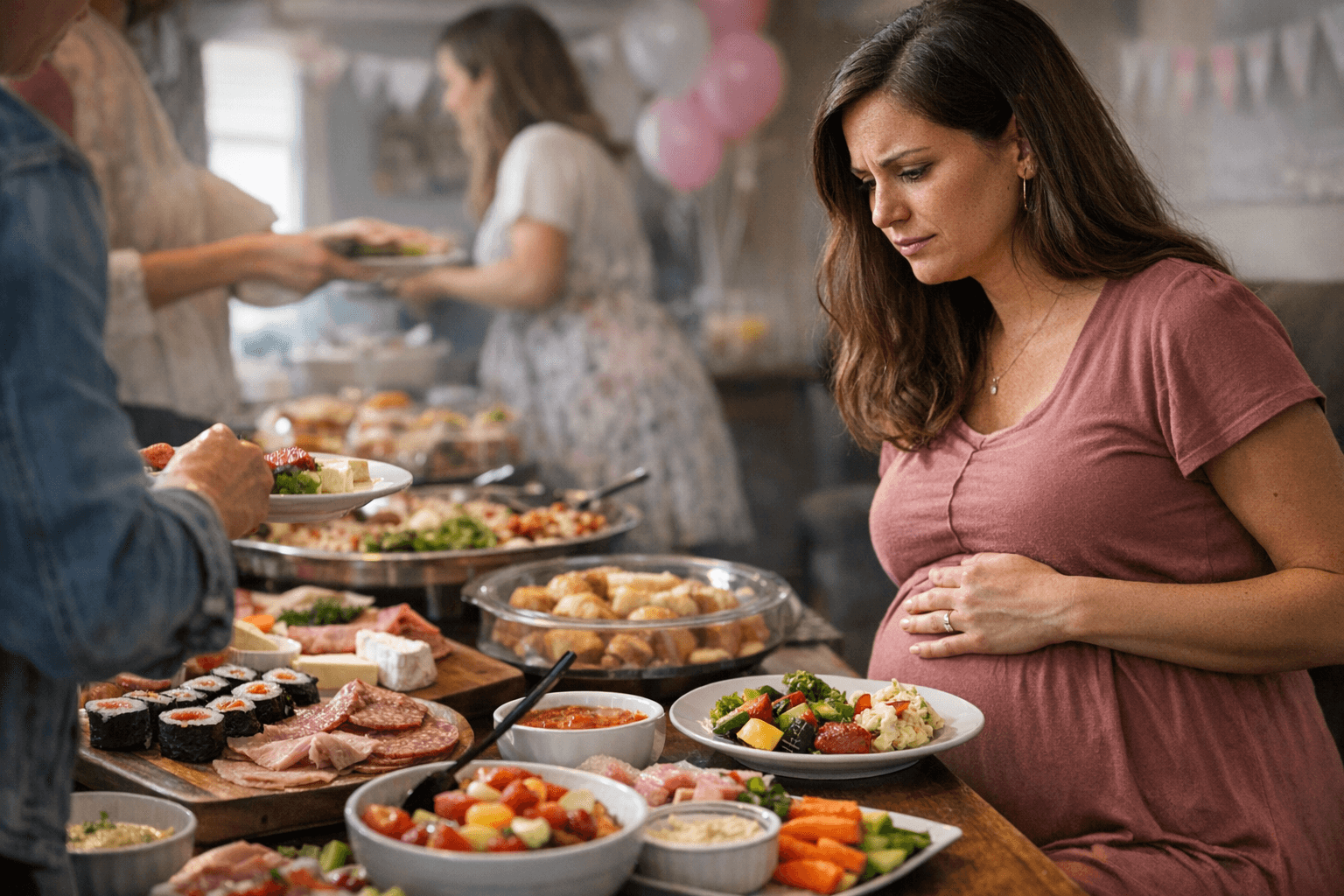
According to FoodSafety.gov, immune system changes during pregnancy place both the mother and unborn child at increased risk of foodborne illness, and these illnesses can be worse during pregnancy, potentially leading to miscarriage or premature delivery. That means the standard party-buffet lineup, think charcuterie boards loaded with soft cheeses and cured meats, needs a serious rethink.
The CDC advises that some foods are more likely to spread harmful germs, including undercooked meat and eggs, unpasteurized milk and cheese, and unwashed produce. In practical terms for your menu:
- Deli meats have been known to be contaminated with Listeria; if you are considering serving them to pregnant guests, the meat must be reheated until it is steaming.
- Fish that contain high levels of mercury should be avoided; a sample of these types includes shark, swordfish, king mackerel, and tilefish.
- Do not serve premade ham salad, chicken salad, or seafood salad that came from a deli counter, as these may contain Listeria.
- Refrigerated pâtés or meat spreads from a deli or meat counter can contain Listeria; shelf-stable versions in cans, jars, or sealed pouches are a safer choice.
- Raw or undercooked eggs are a Salmonella risk: unbaked dough or batter can carry E. coli from untreated flour, and raw eggs can carry Salmonella.
Soft unpasteurized cheeses, including some chèvres and certain imported bries, belong off the plate entirely. If you want to serve cheese, choose clearly labeled pasteurized varieties and mark them as such on the buffet card.
Building a Pregnancy-Safe Appetizer Spread
The good news is that "safe for pregnant guests" does not mean "boring." Fully cooked, bite-sized appetizers cover the safety bases and still feel festive. Mini quiches made with fully cooked eggs, baked meatballs heated through, and roasted vegetable platters are all strong choices. For vegetarian and vegan guests, marinated tofu skewers and a seasoned chickpea salad add protein without any of the deli-meat risk.
The rule of thumb: if it was cooked through and is being served hot, verify it's hot enough. The FDA recommends that egg dishes such as quiches be thoroughly reheated to 165°F before serving. A probe thermometer costs about $15 and removes all guesswork.
Mains, Buffets, and Temperature Control
Buffets are convenient, but they create a temperature danger zone that is particularly risky when pregnant guests are involved. Cold foods should be kept at 40°F or colder, and perishables should be refrigerated or kept cold until serving time. Hot items need to stay above 140°F throughout service, which typically requires chafing dishes with Sterno fuel or electric warming trays.
If maintaining those temperatures feels like too much to manage for a volunteer-run event, individually plated or boxed meals are a cleaner solution. They eliminate cross-contamination between dishes, make portioning straightforward, and remove the risk of a cold item drifting into the danger zone while guests are opening gifts. For any deli-style mains, the rule is non-negotiable: heat deli meats until visibly steaming before they hit the serving tray.
The Beverage Bar: Inclusive by Design
Alcohol deserves its own station, clearly separate from the main beverage spread. Set up a non-alcoholic bar as the default, stocked with mocktails, fruit-infused waters, and herbal teas. This framing matters: it centers the non-alcoholic options as the feature rather than the fallback, which is more comfortable for pregnant guests and for anyone who doesn't drink.
If you're serving alcohol, designate a separate area with a volunteer managing it. Label every bottle clearly. Guests who are postpartum, trying to conceive, or simply not drinking that day will appreciate not having to navigate around a wine table to get a sparkling water.
Desserts Without the Hidden Risks
Desserts trip up even careful hosts. Some traditional mousses, tiramisu, and homemade frostings use raw eggs, which are off-limits. Stick to commercially baked cupcakes (the manufacturing process uses pasteurized or heat-treated ingredients), fresh fruit platters, and items where you know exactly what went into them. If you're sourcing from a bakery, ask directly whether eggs are pasteurized in any custard or mousse component.
Every dessert label should list allergen information: nuts, dairy, and gluten are the three that affect the widest number of guests. A small allergen icon system, a nut symbol, a wheat stalk, a milk drop, printed on index-card-sized buffet labels costs nothing to make and prevents a lot of anxiety for guests managing allergies.
Designing an Inclusive Spread Without Breaking the Budget
Covering pregnancy safety, gluten-free, vegetarian, vegan, and halal or kosher needs at once sounds expensive. It doesn't have to be, because many pregnancy-safe choices are naturally inclusive. A roasted vegetable platter is pregnancy-safe, vegan, gluten-free, and halal. A chickpea salad with olive oil and lemon hits the same four categories. The strategy is to build from those overlap dishes and then add targeted options, a halal-certified protein, a dedicated gluten-free dessert, rather than running parallel separate menus.
Ask guests about dietary restrictions on the RSVP. A single line in the invitation, something like "Please let us know of any dietary needs or allergies" - handles most of it. Consolidate the responses and send the full list to your caterer or kitchen lead before the event. For guests who would rather not disclose dietary needs publicly, offer a private message option to the host.
The Host Checklist: Labeling, Logistics, and Caterer Communication
Before the event, run through this operational checklist:
1. Send dietary restriction questions with the RSVP and compile the full list at least one week out.
2. Forward the consolidated dietary list to the caterer or volunteer kitchen lead with specific notes (not just "vegetarian" but "lacto-vegetarian, no eggs").
3. Prepare buffet cards with dish name, key ingredients, allergen icons (nuts, gluten, dairy, eggs), and temperature status (hot/cold).
4. Set up two separate serving areas: a designated pregnancy-safe section and a general buffet. This makes it easy for pregnant guests to serve themselves without reading every label under pressure.
5. Equip hot stations with chafing dishes and a probe thermometer; keep cold items in ice-filled trays or covered until service begins.
6. Assign one volunteer as the food safety point person throughout service, someone who knows which dishes are safe for pregnant guests and can answer questions confidently.
If you're working with a professional caterer, ask these specific questions before signing a contract: Can you confirm all cheeses used are pasteurized? How will hot items be maintained above 140°F during a two-hour service window? Can you provide a complete ingredient list with allergen flags for each dish?
Why This Template Pays Off
For professional event planners, packaging a "pregnancy-safe menu" option is a low-cost differentiator. The incremental cost, choosing pasteurized cheese over unpasteurized, heating deli meats, setting up a proper non-alcoholic bar, is minimal. The value to clients, knowing their pregnant guest of honor is safe throughout the celebration, is significant. For hosts running events on volunteer power, a standardized checklist reduces the last-minute scramble and the liability of not knowing what's in the food.
A baby shower is built around the idea of welcoming new life. The menu should reflect that intention from the first bite.
Know something we missed? Have a correction or additional information?
Submit a Tip