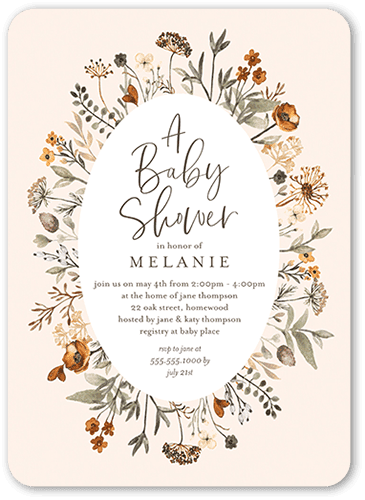
Baby shower invites should go out four to six weeks ahead
The safest baby-shower invite window is 4 to 6 weeks, but travel, virtual plans, and holiday calendars can push the send date earlier.

For a local baby shower, send invitations 4 to 6 weeks before the event. That gives guests enough runway for RSVPs, gift buying, and shipping without sending the party so far ahead that it gets lost in everyone’s calendar, especially when the guest list includes travelers, coworkers, or relatives juggling year-end plans.
Start with the 4 to 6 week rule
That is the cleanest planning window, and Stork Baby Gift Baskets uses it as its quick answer for most in-town celebrations. It gives guests time to RSVP, shop from the registry, and block the date without forcing you to chase answers for months.
The same window also keeps the event close enough to the baby’s arrival that the shower still feels relevant. Digital invitations have made sending easier, but they have not changed the basic math: guests still need time to respond, and hosts still need time to turn responses into a real head count.
Match the send date to the shower type
A local shower, a sprinkle, and a workplace celebration can often live in the same 4 to 6 week lane, but the exact send date should move with the logistics. If the shower is a sprinkle, the guest list is usually smaller and the plan is often simpler, so the invite can sit comfortably inside that standard local window unless travel or office scheduling makes things messier.
A destination shower or any travel-heavy guest list needs 6 to 8 weeks of breathing room. People may need to book flights, arrange childcare, or coordinate a weekend away. That extra cushion matters more than etiquette polish when guests are crossing state lines or building the shower into a larger trip.
Virtual showers are the one place where the timeline can tighten. A 3 to 4 week window works because nobody needs to book a hotel or plan a road trip, but the host still needs enough time to collect addresses for gifts, line up a video platform, and make sure everyone has the link.
Workplace showers sit somewhere in the middle. If the event is on a lunch break or tied to an office calendar, use the standard 4 to 6 week window and lean earlier if the invite has to pass through assistants, managers, or a group email chain. Holiday-season showers deserve the same treatment, because calendars fill fast and travel plans can crush response times, so send on the earlier side of the window rather than gambling on a last-minute RSVP.
Get the RSVP deadline and registry ready before you send
The invitation date is only half the job. Include a clear RSVP deadline at least 2 to 3 weeks before the event. That gives you time to finalize food, seating, and favors without guessing at the guest count. If your shower is on a Saturday, that usually means responses should be due by the previous one or two weekends.
The registry should be ready when the invite goes out, not after. The registry belongs on the invitation, which turns the invite into a practical shopping tool instead of just a date announcement. If guests are expected to buy from a registry, do not send the invite until the registry is finished, stocked, and easy to find.
That matters even more for online invitations, where guests can click through immediately. The invite has to carry the date, the RSVP line, and often the registry link in one clean pass.
Use venue deposits and head counts to set the exact day
If you are renting a room, booking catering, or paying a deposit, work backward from that deadline instead of picking a date at random. A venue that wants a head count should push you toward the 6-week end of the local window, because you need time for guests to respond before money changes hands.
The safest sequence is simple: lock the venue, confirm the registry, set the RSVP date, then send the invitation. That keeps you from printing or designing invites twice, and it protects you from the most annoying planning mistake, which is sending the note before the event is actually stable.
Late-pregnancy uncertainty changes the send date, not just the design
Pregnancy timing is not always predictable, and that uncertainty should shape when you mail or email the invite. If there is any chance the date, location, or guest list could shift because of late-pregnancy complications or family logistics, hold the invite until the plan is firm, then send within the 4 to 6 week window so guests are not left sitting on a date that may move.
The 4 to 6 week window is short enough to keep the shower close to the due date, but long enough to give people time to respond and shop without making the party feel rushed. For the host, that reduces the pressure to reschedule after deposits are paid or gifts are already in motion.
Stork Baby Gift Baskets has been “sending smiles across the miles one baby at a time since 1999.”
This article was produced by Prism’s automated news system from verified source data, official records, and press releases, then run through automated quality and moderation checks before publishing. The system is built and supervised by the people who set the standards it runs under. Read our full AI policy.
Did this article answer your question?