Baby showers trace a long history of support and ritual
Baby showers started as a community rite, not a shopping spree. The registry, the theme, and the co-ed invite only changed how families perform the same old act of support.
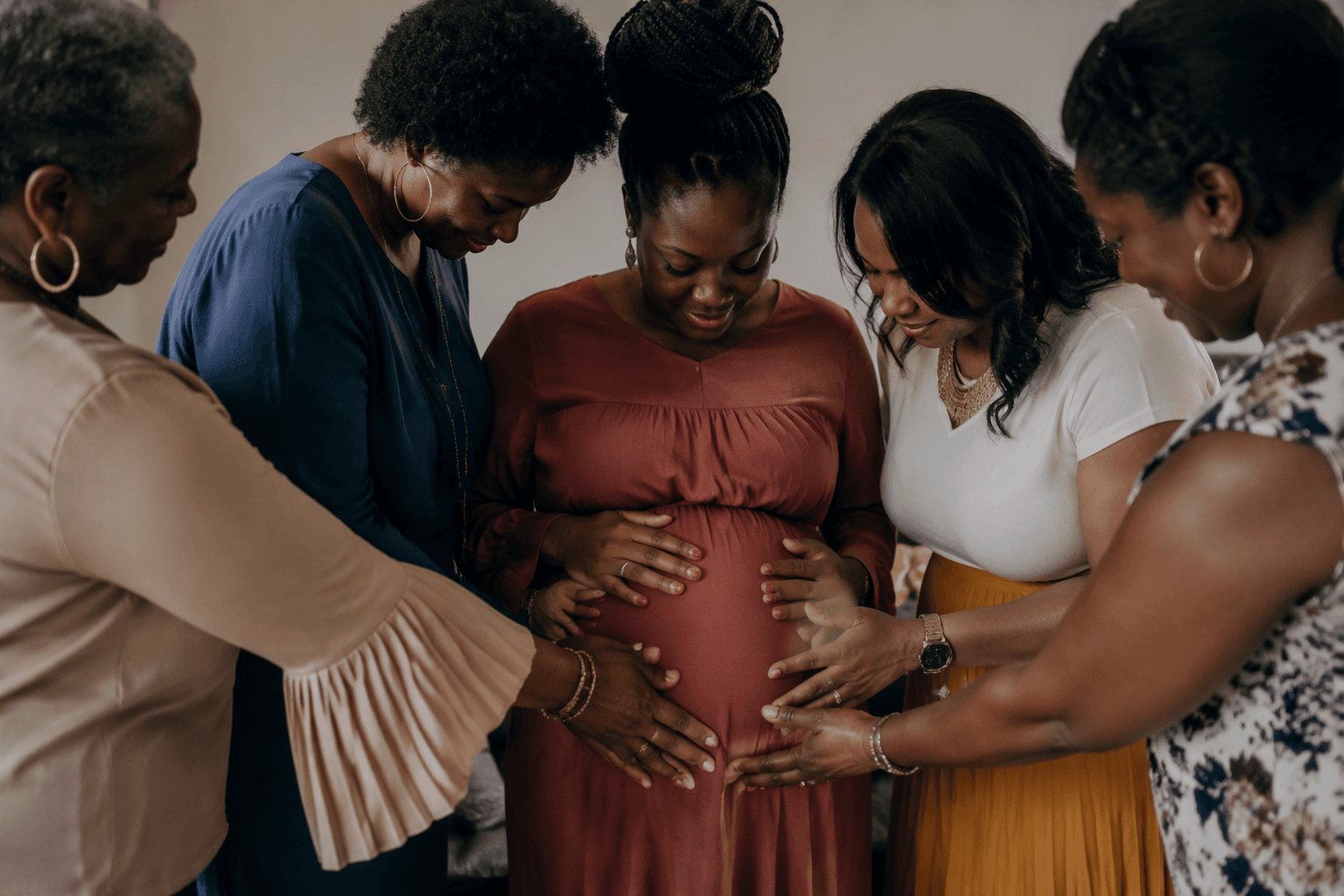
A baby shower is really two things at once: a rite of passage and a practical handoff of the gear a newborn needs. Family and friends gather to mark the pregnancy, “shower” the parent-to-be with gifts, and make the jump into caregiving feel shared instead of solitary.
The shower’s oldest job
The SAGE Reference entry gets the core idea right: a baby shower is a celebration for a pregnant woman and the coming child, usually hosted by family or friends, and it functions as a rite of passage into motherhood. The gifts are not decoration. They are infant-care products that answer a very real economic need, which is why the custom keeps surviving even as party style changes around it.
That framing matters because it keeps the shower from being reduced to a gift grab. In its basic form, the event is a social mechanism for mobilizing help at a moment when a household is about to absorb new costs, new routines, and new responsibilities. The party is the visible part; the support network is the point.
A much older lineage than the modern party
Wikipedia’s history section pushes the story far beyond suburban invite lists and registry links. Related pregnancy and birth rituals show up in ancient Egypt, ancient and modern India, and ancient Greece, which makes the baby shower look less like a recent invention and more like the latest version of a very old human habit: marking birth with ceremony and communal support.
That wider background also explains why showers feel ceremonial even when they look casual. Britannica’s description of rites of passage is the key lens here: these are highly scripted performances that happen when a person crosses a life stage. A baby shower fits that pattern cleanly. It signals a status change, it gathers witnesses, and it turns that transition into a shared social event.
What Victorian-era gatherings added
A May 1, 2019 Monroe News history piece places one recognizable ancestor of the modern shower in late-1800s Victorian-era Britain, where women organized gatherings for pregnant friends. That version still leaned on community support, but it was more socially legible as a host-led event, with the circles of women surrounding the mother-to-be and organizing the help.
That shift matters because it shows how the custom moved from broad birth ritual to a more specific social occasion. The modern shower did not erase the older logic of support; it narrowed and formalized it. Instead of a neighborhood tradition or a family rite, it became a planned gathering with a clearer guest list, a gift table, and a defined role for the host.
From silver spoons to registries
The registry is the biggest mechanical change in the baby shower’s history. A 79Gifts article titled “The History of Baby Showers: From Silver Spoons to Registries” captures the arc in one phrase: the party moved from small, practical offerings to a system built around lists, preferences, and coordinated buying. That is a big shift in how help is organized, even if the underlying purpose is unchanged.
The same article’s blunt line lands because it names the function without pretension: “A baby shower is the only party where it’s socially acceptable to gift someone an alarming number of diapers.” That is the modern shower in a sentence. It is still communal giving, but now the giving is usually routed through a registry, a shopping list, or some other prearranged plan that makes sure the parents get what they actually need.
What changed in modern planning
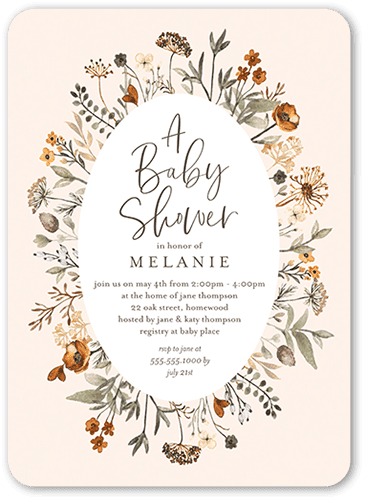
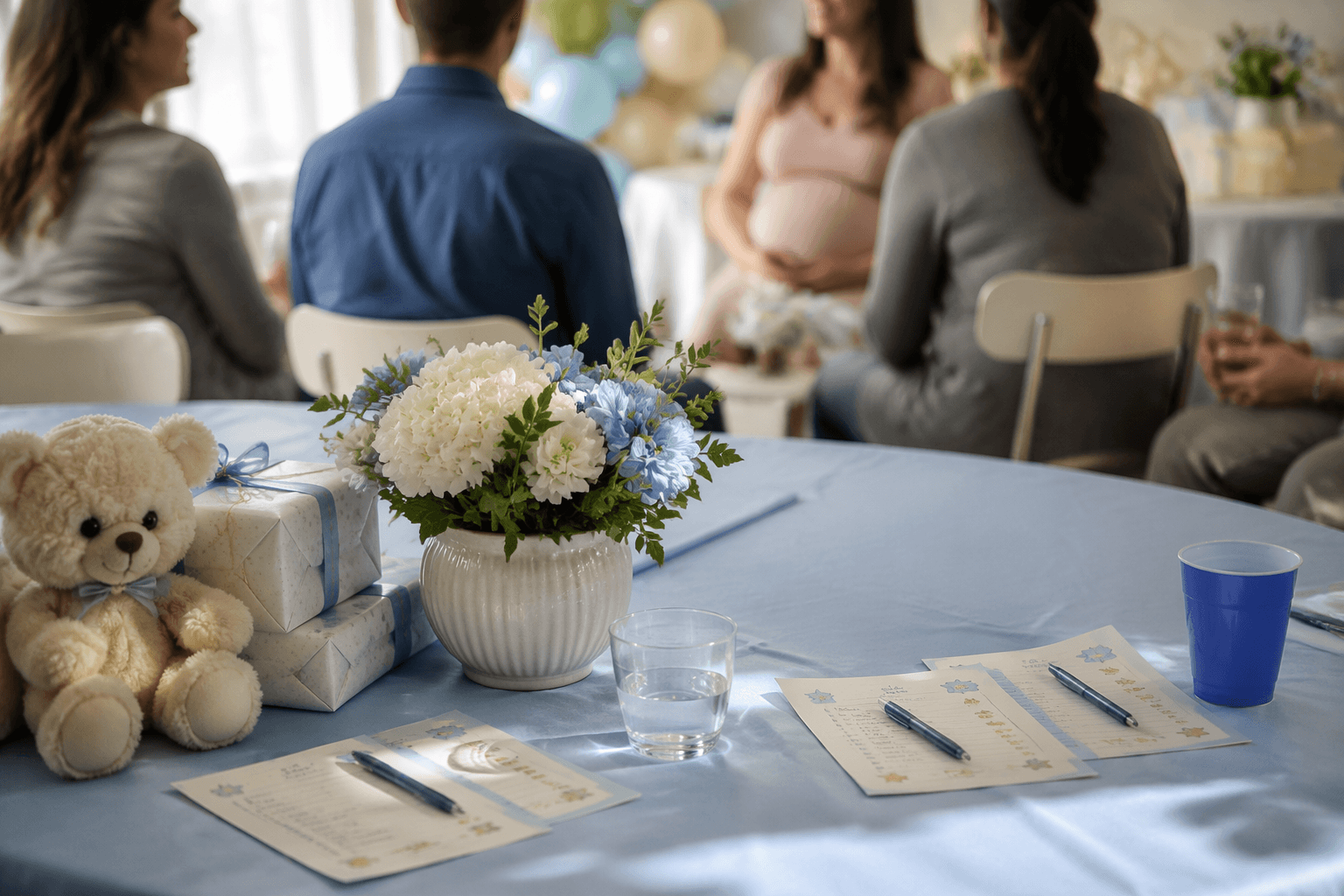
The contemporary shower has grown broader and more customized. What used to be a women-only gathering can now be co-ed, and that change has pushed the event toward couples, shared hosting, and more entertainment-driven planning. Guides from What to Expect and Parents.com reflect that shift by focusing on co-ed themes, invitations, games, timing, and guest list etiquette rather than assuming a single formula.
Parents.com updated its baby shower etiquette guide on February 12, 2026, and the questions it highlights are telling: when to have the shower and who to invite. Those are not small details. They show that the modern shower is now part party, part planning exercise, with social rules that have to be negotiated rather than inherited whole.
Cash gifts are part of that same evolution. A Times Union Shopportunist article, drawing on a survey from What to Expect, says more moms-to-be want cash at their baby shower. That is not a rejection of the tradition. It is the tradition adapting to high prices, different household needs, and a more flexible idea of what support should look like.
What has stayed constant
For all the registry links, theme boards, and co-ed formats, the baby shower still does the same social work it did in older birth rituals. It gathers a community around an impending arrival and turns private preparation into public support. Whether the gift is a diaper stack, a gift card, or a carefully chosen registry item, the message is the same: this family is not handling the transition alone.
That is why the baby shower keeps fitting new eras so easily. Ancient Egypt, India, and Greece had their own birth rituals; Victorian-era women organized gatherings for pregnant friends; today’s hosts toggle between themed invites and registry platforms. The packaging changes, but the ritual survives because it answers a durable human need: to mark a life change with witnesses, gifts, and help that actually arrives when the baby does.
This article was produced by Prism’s automated news system from verified source data, official records, and press releases, then run through automated quality and moderation checks before publishing. The system is built and supervised by the people who set the standards it runs under. Read our full AI policy.
Did this article answer your question?